MailOrderMeds: Your Pharmaceuticals Information Source - Page 2
ECG and stress tests help detect heart problems by measuring electrical activity and how your heart responds to exertion. Learn what they show, who needs them, and how they compare to newer tests.
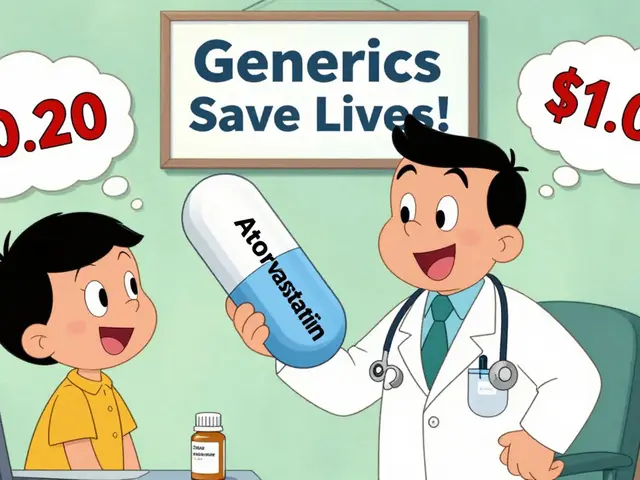
Not all brand-name drugs have generic versions, even after patents expire. Complex chemistry, patent tricks, manufacturing hurdles, and corporate tactics keep prices high. Here's why some drugs stay expensive-and what you can do about it.
Learn how to take medications safely as a first-time patient. Avoid common errors, store drugs properly, ask the right questions, and reduce your risk of dangerous side effects with simple, proven habits.
Night shift fatigue increases medication errors by up to 38%. Learn how sleep deprivation, sedating meds, and poor scheduling put patients at risk-and what you can do to stay safe.
Appetite changes from medication are common and often caused by how drugs affect brain chemistry. Learn why certain medications cause weight gain or loss, which ones are most likely to trigger changes, and practical, science-backed ways to manage it without stopping your treatment.
Caffeine can reduce the effectiveness of thyroid meds, amplify side effects of antidepressants, and interfere with heart and seizure drugs. Learn which medications are risky with coffee and how to stay safe.
Noninvasive ventilation and PEG nutrition are proven ways to extend life and improve daily living for ALS patients. Starting early-before breathing or swallowing becomes critical-can add months to survival and restore quality of life.
Fournier’s gangrene is a rare but deadly infection linked to certain diabetes drugs like Jardiance and Farxiga. Know the emergency signs-pain, swelling, fever-and act fast. Your life could depend on it.
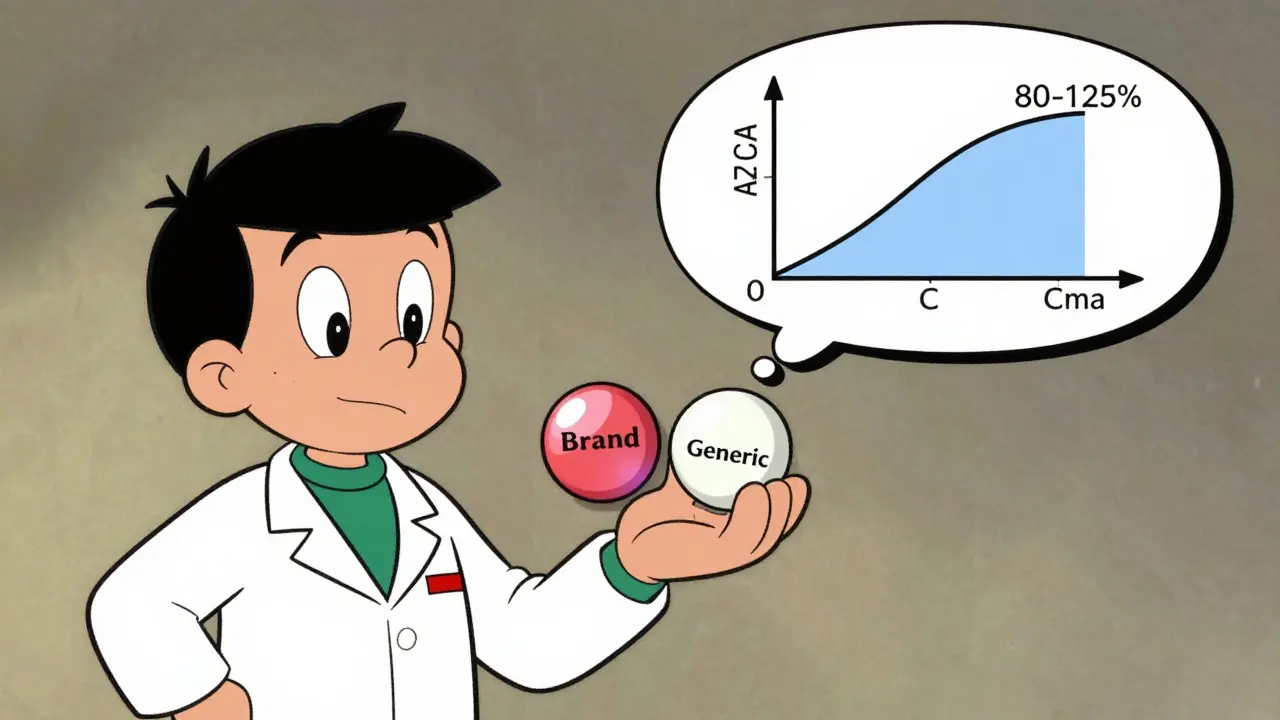
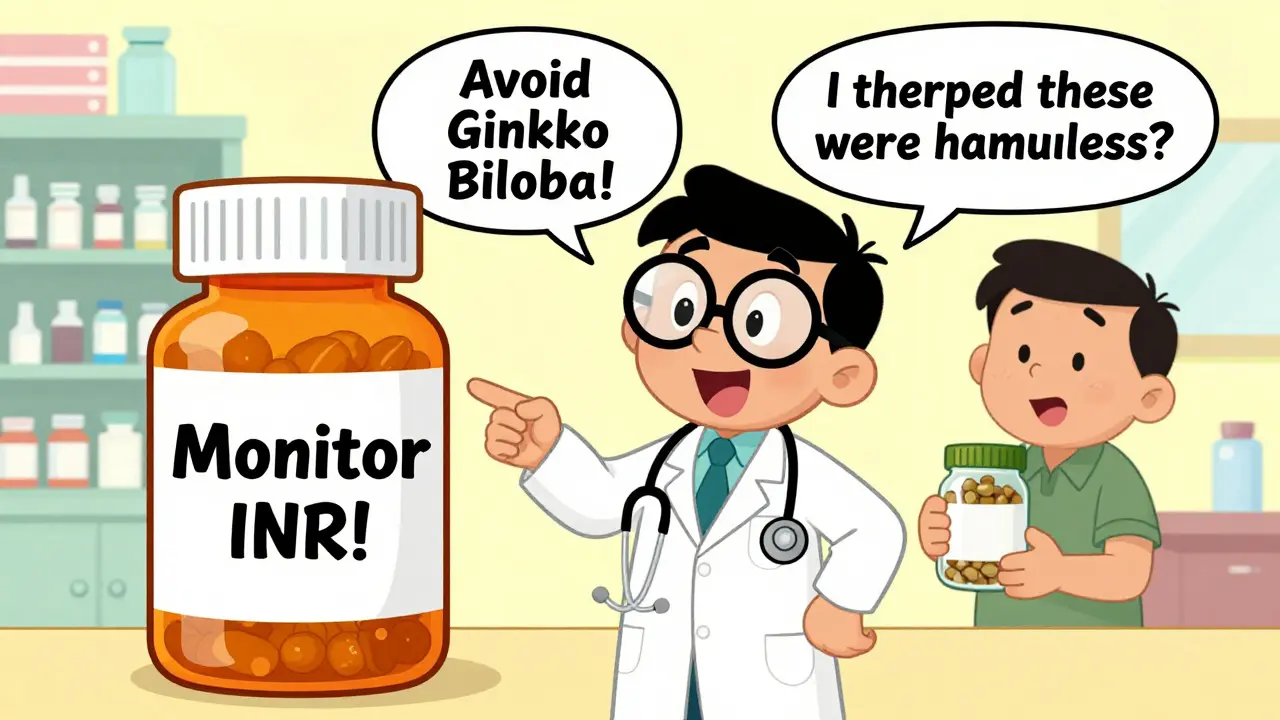
Generic drugs save money but often carry hidden risks due to manufacturing defects like capping, contamination, and dosing errors. Learn how these flaws impact safety and what you can do to protect yourself.
Lithium carbonate generics require careful serum level monitoring due to their narrow therapeutic index. Switching brands can change your blood levels-here's what you need to know about dosing, timing, and safety.