
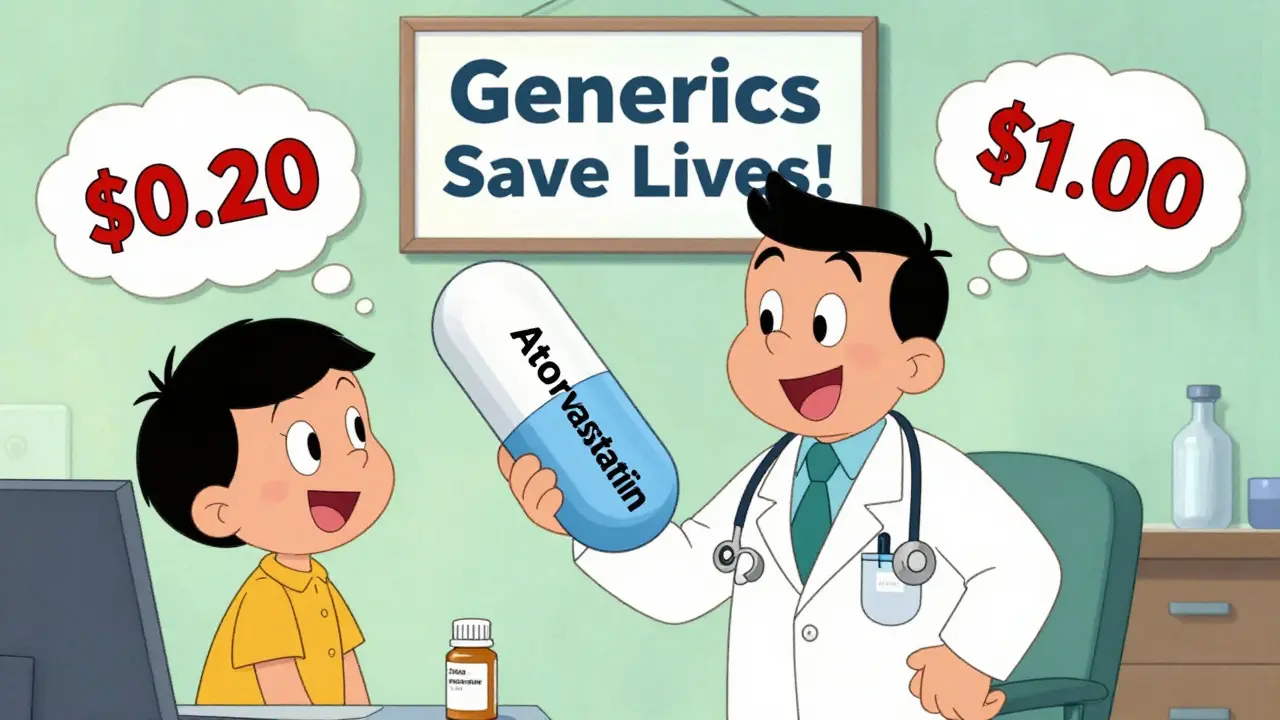
When you pick up a prescription at the pharmacy, you might not think twice about whether it’s a brand-name drug or a generic. But for doctors and pharmacists around the world, that choice isn’t just about price-it’s tied to trust, policy, and survival. In some countries, generics are the backbone of public health. In others, they’re still met with hesitation. The truth? How providers see generics depends entirely on where they practice.
Europe: Generics as Policy, Not Just Preference
In Germany, France, and the UK, doctors don’t just accept generics-they’re encouraged to prescribe them. Government policies make it almost automatic. Pharmacists can swap a brand-name drug for a generic without asking the doctor, and insurers reward clinics that keep costs low. It’s not about distrust in the medicine. It’s about keeping the system running. A 2025 report from Cognitive Market Research found that Europe holds nearly 29% of the global generic market, worth over $122 billion. Germany alone accounts for more than 15% of that. Providers there don’t see generics as a compromise-they see them as the standard. When a patient comes in with high blood pressure, the default script isn’t Lipitor. It’s atorvastatin. The active ingredient is the same. The price? Often 80% lower. But growth is slowing. With generic use already near saturation in many therapeutic areas, European markets are growing at just 2-5% annually. That’s not because doctors are turning away. It’s because there’s little left to replace. The focus has shifted to complex generics-injectables, inhalers, and specialty formulations-that still have room to expand.Asia-Pacific: Generics as Lifelines
In India and China, generics aren’t a cost-cutting tactic. They’re the only way millions can access treatment. Over 20% of all generic drugs made worldwide come from India. Nearly 40% of the generic pills used in the U.S. are made in Indian factories. That’s not coincidence-it’s necessity. Indian doctors don’t debate whether to prescribe generics. They ask: “Which version is in stock?” With incomes low and chronic diseases like diabetes and heart failure rising fast, branded drugs are out of reach for most. A monthly supply of metformin might cost $1 as a generic versus $50 as a brand. There’s no real choice. China’s government has pushed generics even harder. Price controls, mandatory substitution rules, and bulk purchasing have turned generics into the default. Providers there don’t see generics as second-rate. They see them as the foundation of a working healthcare system. And the market is growing fast-some analysts project over 6.5% annual growth through 2034. That’s not just expansion. It’s transformation. In Southeast Asia, the same pattern holds. In Indonesia, Thailand, and the Philippines, generics dominate outpatient care. Doctors train to prescribe by active ingredient, not brand. Patients expect them. Pharmacies stock them first. It’s not about preference-it’s about survival.United States: High Volume, Low Trust
The U.S. leads the world in generic prescriptions-90% of all fills are generics. But here’s the twist: they make up only about 15% of total drug spending. Why? Because even generics can be expensive when the original brand was priced at $1,000 a month. American providers know generics work. But they also know the system is broken. Drug shortages hit generic manufacturers harder than big pharma. A shortage of injectable antibiotics or insulin? It’s often a generic that runs out first. Quality concerns crop up too-FDA inspections have flagged plants in India and China for sanitation issues, and when a batch fails, doctors lose confidence. Still, providers rely on generics more than ever. With over 300 branded drugs losing patent protection between 2025 and 2030-including blockbuster biologics like ustekinumab and vedolizumab-generics are no longer just for common conditions. They’re entering oncology, autoimmune disease, and rare disorders. Doctors who once avoided them for complex cases are now prescribing generic biosimilars with growing confidence. The biggest shift? Providers now see generics as a tool to manage cost, not just a fallback. A 2025 survey by a major U.S. medical association found that 72% of primary care physicians actively switch patients to generics when possible-not because they’re cheaper, but because they’re just as effective.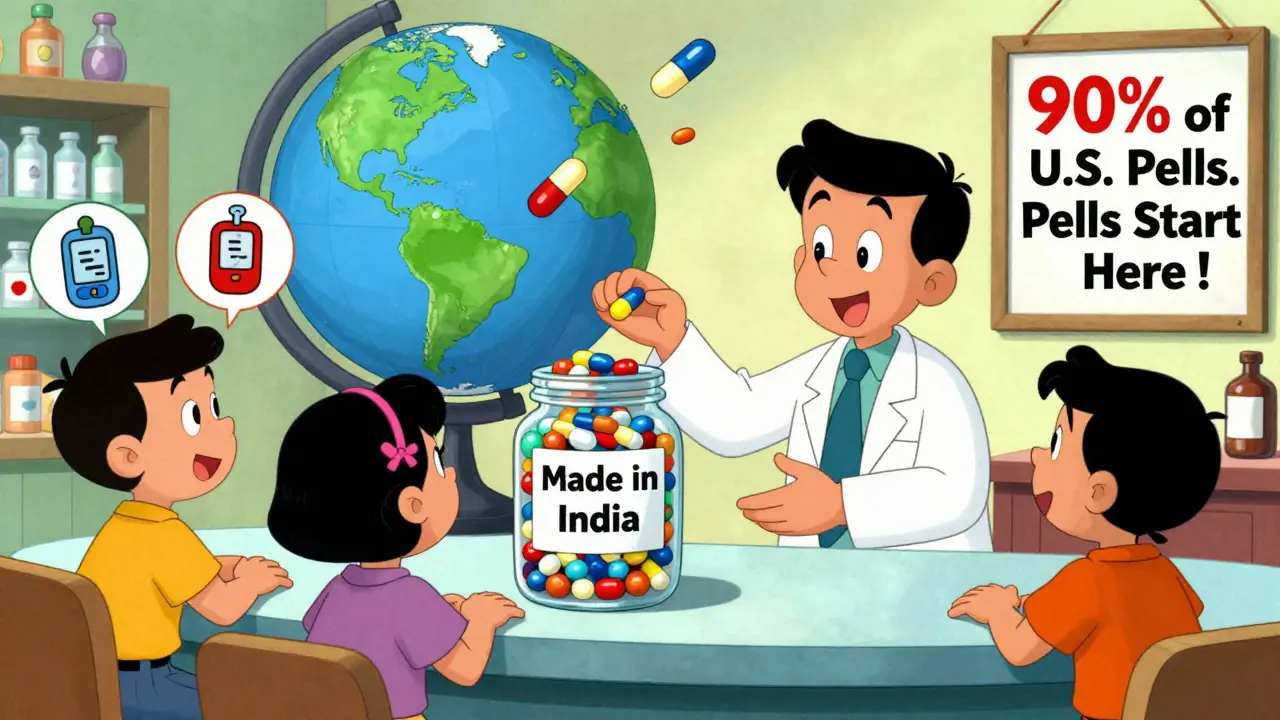
Japan: Price Cuts and Patient Compliance
Japan has one of the most aggressive generic policies on earth. Every two years, the government forces drug prices down-sometimes by 20% or more. Brand-name drugs lose market share fast. Generics aren’t just promoted-they’re mandated. Doctors here don’t have to convince patients. The system does it for them. Patients are told: “This generic is the same. It’s cheaper. Take it.” And most do. The result? Japan’s pharmaceutical market is flat or shrinking, even as new drugs enter the pipeline. Providers don’t fight it. They adapt. They focus on adherence and outcomes, not brand loyalty. The country’s approach is a lesson in systemic change. It’s not about trust in the product. It’s about trust in the system.Emerging Markets: Generics as the Only Option
In Brazil, Turkey, and parts of Africa, the story is simpler: if it’s not a generic, most people can’t get it. These countries are called “pharmerging” markets-places where healthcare systems are growing but still poor. IQVIA estimates these regions will add $140 billion in drug spending by 2025, almost all of it on generics. Doctors in these areas don’t have the luxury of choice. A cancer patient might wait months for a branded drug to arrive-if it arrives at all. Generics? They’re shipped in bulk, often from India, and available within days. Providers don’t debate quality. They debate availability. In some rural clinics, the only medicine on the shelf is a generic version of a blood pressure pill. The doctor prescribes it. The patient takes it. And it works. That’s the reality for over 2 billion people worldwide.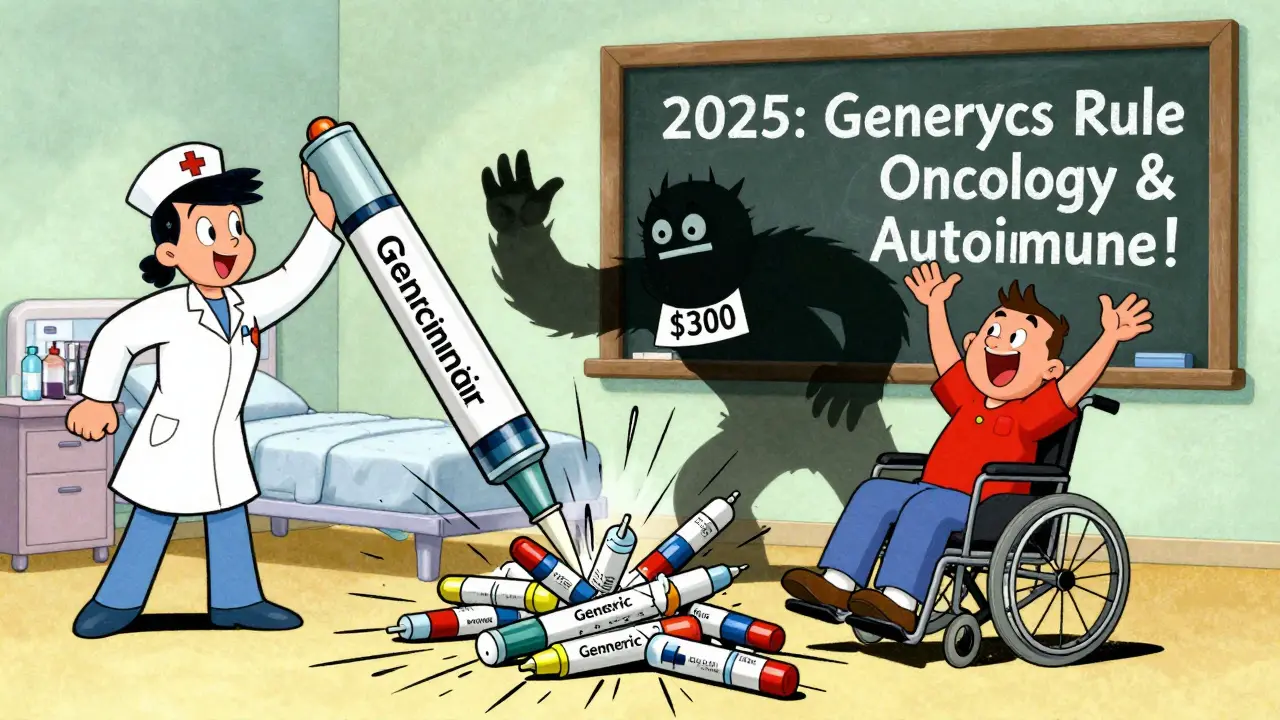
The Future: Complex Generics Are Changing Everything
The old idea that generics are just plain pills is fading. The fastest-growing segment now is specialty generics-injectables, inhalers, eye drops, and transdermal patches. The global market for these is expected to grow from $76.5 billion in 2025 to over $185 billion by 2033. Why does this matter? Because providers are starting to see generics as capable of handling complex, life-threatening conditions-not just colds and headaches. A generic version of an insulin pen, for example, might cost $50 instead of $300. That’s not a savings. That’s access. Hospitals are leading the shift. Inpatient units now routinely use generic antibiotics, anticoagulants, and chemotherapy agents. Nurses and pharmacists train together to manage them. Doctors who once avoided them for critical care now rely on them.What’s Holding Generics Back?
Despite all the progress, problems remain. In the U.S., supply chain fragility is a big one. When a single factory in India shuts down for inspection, thousands of American patients face delays. In Europe, some providers still worry about bioequivalence in niche drugs. In low-income countries, counterfeit generics are a real threat. But the biggest barrier isn’t science. It’s perception. Too many patients still think “generic” means “weaker.” Too many doctors still say, “I’d rather prescribe the brand.” Changing that takes time. The solution? Transparency. Real-world data. Better communication. When doctors show patients side-by-side lab results proving a generic works just as well, trust grows. When pharmacists explain the manufacturing standards, fear fades.Final Take: Generics Are No Longer Optional
Around the world, providers are moving past skepticism. Generics aren’t just cheaper alternatives anymore. They’re essential tools. In India, they’re how people live. In Germany, they’re how the system survives. In the U.S., they’re how care stays affordable. The next decade will bring even more patent expirations-over $200 billion in brand-name sales up for grabs. Generics will fill that gap. Providers won’t just accept them. They’ll demand them. The question isn’t whether generics work. It’s whether we’re ready to treat them like the backbone of global health that they are.Are generic drugs really as effective as brand-name drugs?
Yes. By law, generics must contain the same active ingredient, strength, dosage form, and route of administration as the brand-name drug. They must also meet the same FDA (or equivalent) standards for bioequivalence-meaning they work the same way in the body. Studies consistently show no meaningful difference in outcomes between generics and brands for most conditions, including high blood pressure, diabetes, and depression.
Why are generic drugs so much cheaper?
Generic manufacturers don’t have to pay for the original research, clinical trials, or marketing that brand-name companies do. Once a patent expires, multiple companies can produce the same drug. Competition drives prices down. In some cases, production costs are as low as pennies per pill, especially in countries like India where manufacturing is highly efficient.
Do doctors in other countries trust generics more than U.S. doctors?
It’s not about trust-it’s about structure. In Europe and Asia, policies and reimbursement systems make generics the default. Doctors there aren’t choosing generics out of preference; they’re following system-wide guidelines. In the U.S., doctors have more freedom to choose, and some still default to brands due to habit, patient pressure, or outdated beliefs. But surveys show U.S. providers are increasingly prescribing generics, especially as cost pressures rise.
Are there safety concerns with generics made overseas?
All generic drugs sold in the U.S., EU, Japan, and other regulated markets must meet strict quality standards, regardless of where they’re made. The FDA inspects foreign manufacturing sites just like domestic ones. While there have been past violations-especially in the early 2010s-today’s global supply chain is heavily monitored. Most safety issues come from counterfeit drugs in unregulated markets, not approved generics from reputable manufacturers.
Why are specialty generics growing so fast?
Specialty generics-like injectables, inhalers, and complex topical products-are entering the market as patents expire on high-cost biologics and advanced therapies. These drugs used to be too complex or expensive to copy. But new manufacturing tech and regulatory pathways have made them feasible. Hospitals and insurers are pushing for them because they can cut costs by 50-90%. Providers are now seeing them as clinically equivalent and necessary for sustainable care.



Usha Sundar
December 24, 2025Generics in India? We don’t choose them. We survive with them. My dad took generic metformin for 12 years. No side effects. No drama. Just blood sugar under control. Brand names? Luxury for people who don’t count rupees.
And yes, the factories make pills for America too. Funny how we’re the world’s pharmacy but still can’t get decent healthcare at home.
Joseph Manuel
December 25, 2025Statistical analysis of global generic market penetration reveals a significant correlation between regulatory rigor and market stability. The U.S. FDA’s inspection regime, while imperfect, remains superior to many emerging market oversight mechanisms. Discrepancies in bioequivalence thresholds across jurisdictions warrant further longitudinal study.
Jillian Angus
December 26, 2025Been on a generic blood pressure med for years. Same pill. Same results. My doctor just says ‘take the blue one’ and I do. Don’t think about it. Don’t need to.
Also, why do people still act like generics are some kind of secret conspiracy?
Ademola Madehin
December 27, 2025They’re lying to you. All of them. The FDA? The WHO? The ‘same active ingredient’ nonsense? I worked in a pharmacy in Lagos. Saw a batch of ‘generic’ insulin that turned cloudy after a week. People died. And the labels? Made in China. Printed by someone’s cousin.
They don’t care if you live or die. As long as the profit margin stays high.
And don’t even get me started on the U.S. doctors who still push brands. You’re not saving lives-you’re keeping the machine fed.
suhani mathur
December 27, 2025Oh look, another article pretending generics are ‘revolutionary.’ They’ve been the backbone of global health since the 1970s. The real story? Why do Americans still act like generics are a gamble? Because you’re used to paying $500 for a pill and now you’re being asked to pay $5. That’s a psychological crisis, not a medical one.
Also, ‘bioequivalence’ is a fancy word for ‘we tested it and it didn’t kill anyone.’ You’re welcome.
Diana Alime
December 29, 2025i hate generics so much like why do they even exist?? my aunt took one for her thyroid and now she’s always tired and crying and my dr just said ‘it’s the same’ but it’s NOT THE SAME 😭
also why do indians make all the pills?? are we just outsourcing our health now??
Bartholomew Henry Allen
December 29, 2025America leads the world in innovation. We don’t need to rely on foreign-made pills. We have the best scientists, the best labs, the best standards. Let other countries take their cheap knockoffs. We protect our patients. We don’t gamble with their lives for a few dollars.
Buy American. Or don’t be surprised when your meds fail.
bharath vinay
December 29, 2025Generics are a government plot. The WHO, Big Pharma, and the FDA are all in cahoots. They want you dependent on cheap pills so they can control your biology. The ‘same active ingredient’ is a lie. They alter the molecular structure slightly to make you need more over time. Look at the patents. Look at the funding. Look at the silence.
They’re not saving you. They’re programming you.
Dan Gaytan
December 31, 2025This is actually one of the most hopeful things I’ve read all year 🙏
Generics = access. Access = dignity. People in India, Brazil, Nigeria-they’re not ‘settling.’ They’re building a system that works for real humans. And honestly? The U.S. could learn a lot from that.
Also, if you’ve ever had to choose between medicine and rent? You know this isn’t theoretical. It’s survival. 💪❤️
claire davies
January 2, 2026Oh, I remember when I first moved to London and my GP handed me a little white pill in a plain packet and said, ‘This is the same as your old one, just cheaper.’ I was horrified. Thought I’d been switched to a placebo or something. Turned out it was the exact same molecule, just without the fancy logo and $200 price tag.
Now I’m a total convert. I even ask for generics when I’m back home in Canada. Why pay more for the same effect? It’s like buying a plain white T-shirt when the branded one costs ten times as much and feels exactly the same.
Also, the fact that India produces 20% of the world’s generics and still can’t guarantee decent healthcare for its own people? That’s the real tragedy. Not the pill. The system.
Wilton Holliday
January 2, 2026Big picture: generics are the unsung heroes of global health. No fanfare. No ads. Just quiet, reliable, life-saving science.
And to anyone still skeptical? Try this: next time you get a generic, check the label. Then look up the brand-name version. Same active ingredient. Same dose. Same manufacturer in many cases. The only difference? The price tag.
Be brave. Be curious. Be kind to your wallet-and your body. 💊✨
Raja P
January 4, 2026My uncle in Kerala takes 6 different generics every day. Heart, diabetes, cholesterol, arthritis, thyroid, depression. All from the same local pharmacy. Costs him less than $5 a month. He’s 78 and still walks 5km every morning.
Meanwhile, my cousin in Chicago pays $1200 a month for the same meds. Same pills. Different country. Different world.
Maybe we’re not the ones who need better medicine. Maybe we just need better priorities.
niharika hardikar
January 6, 2026While the article presents a compelling narrative regarding global generic adoption, it conspicuously omits critical pharmacoeconomic variables such as bioavailability variance thresholds under ICH guidelines, the impact of excipient heterogeneity across manufacturing batches, and the regulatory divergence in dissolution profile tolerances between the EMA and NMPA. Without addressing these technical parameters, the assertion of therapeutic equivalence remains superficial and potentially misleading to clinicians seeking evidence-based decision-making frameworks.