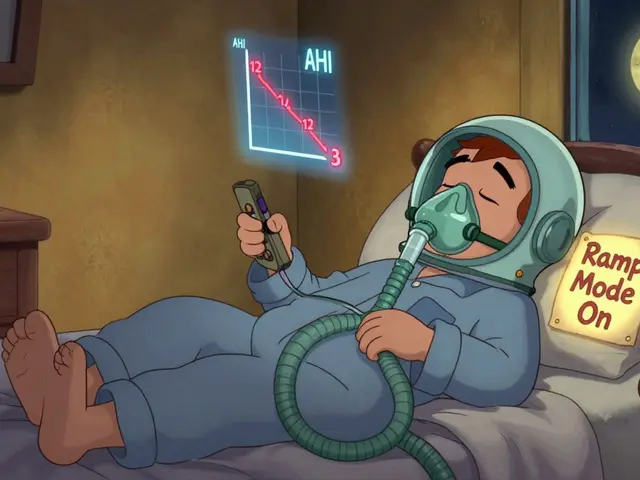
Medication Safety at Night: How to Avoid Errors When You're Tired
Night shift fatigue increases medication errors by up to 38%. Learn how sleep deprivation, sedating meds, and poor scheduling put patients at risk-and what you can do to stay safe.

Night shift fatigue increases medication errors by up to 38%. Learn how sleep deprivation, sedating meds, and poor scheduling put patients at risk-and what you can do to stay safe.
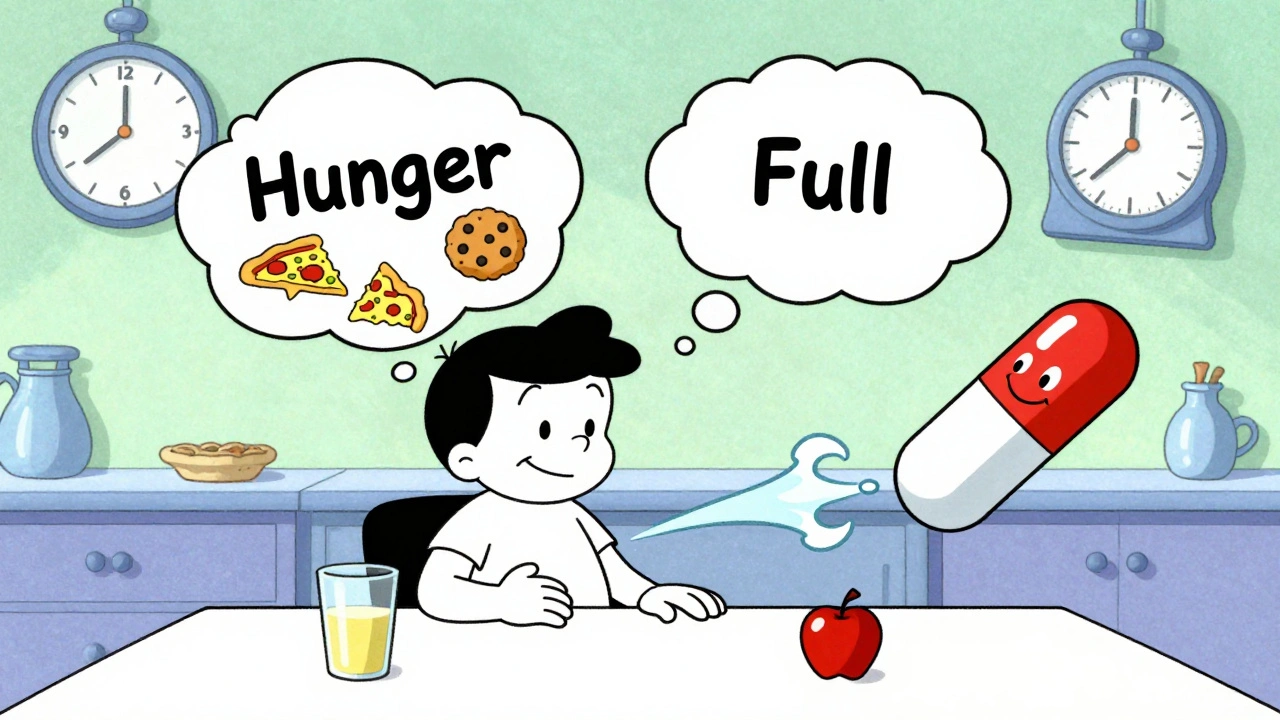
Appetite changes from medication are common and often caused by how drugs affect brain chemistry. Learn why certain medications cause weight gain or loss, which ones are most likely to trigger changes, and practical, science-backed ways to manage it without stopping your treatment.
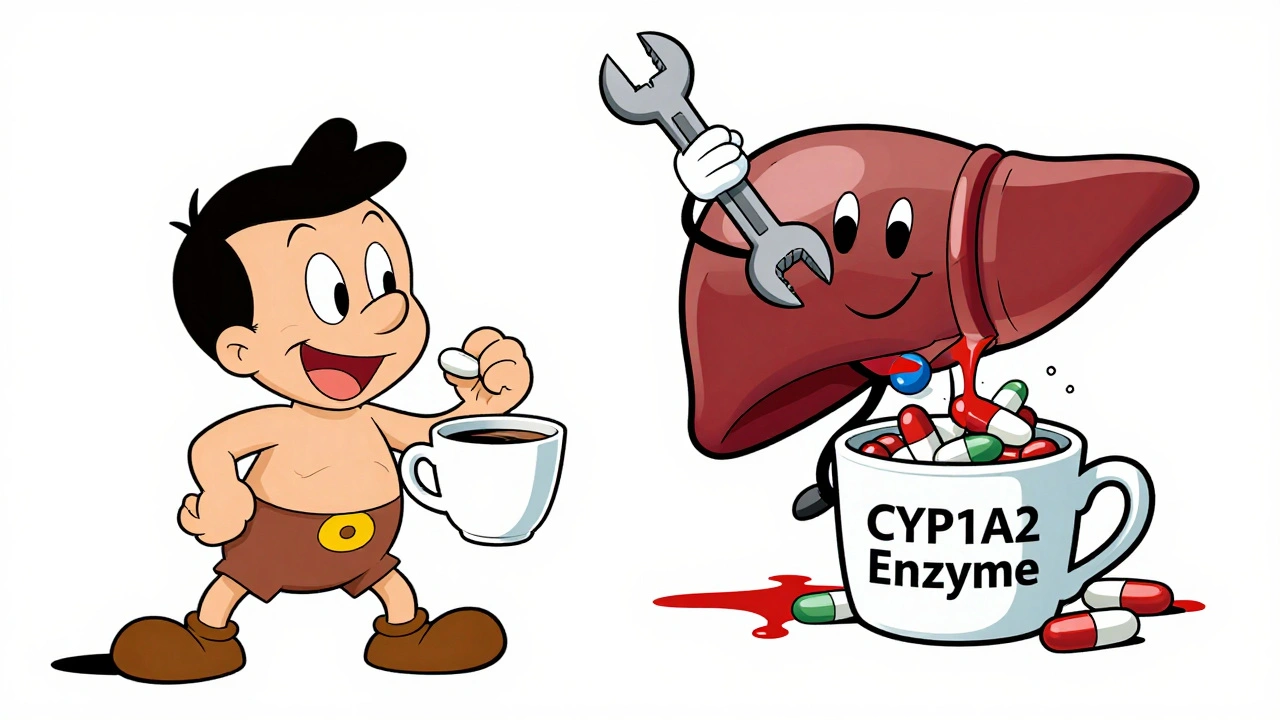
Caffeine can reduce the effectiveness of thyroid meds, amplify side effects of antidepressants, and interfere with heart and seizure drugs. Learn which medications are risky with coffee and how to stay safe.
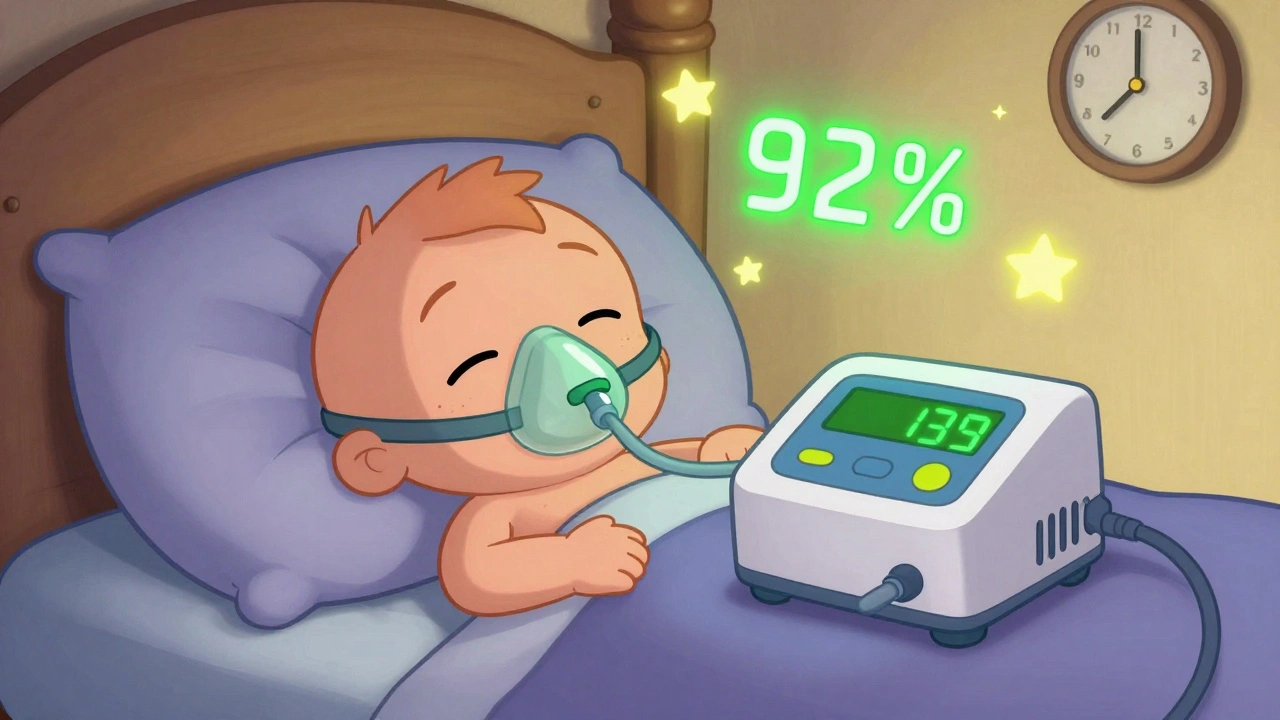
Noninvasive ventilation and PEG nutrition are proven ways to extend life and improve daily living for ALS patients. Starting early-before breathing or swallowing becomes critical-can add months to survival and restore quality of life.
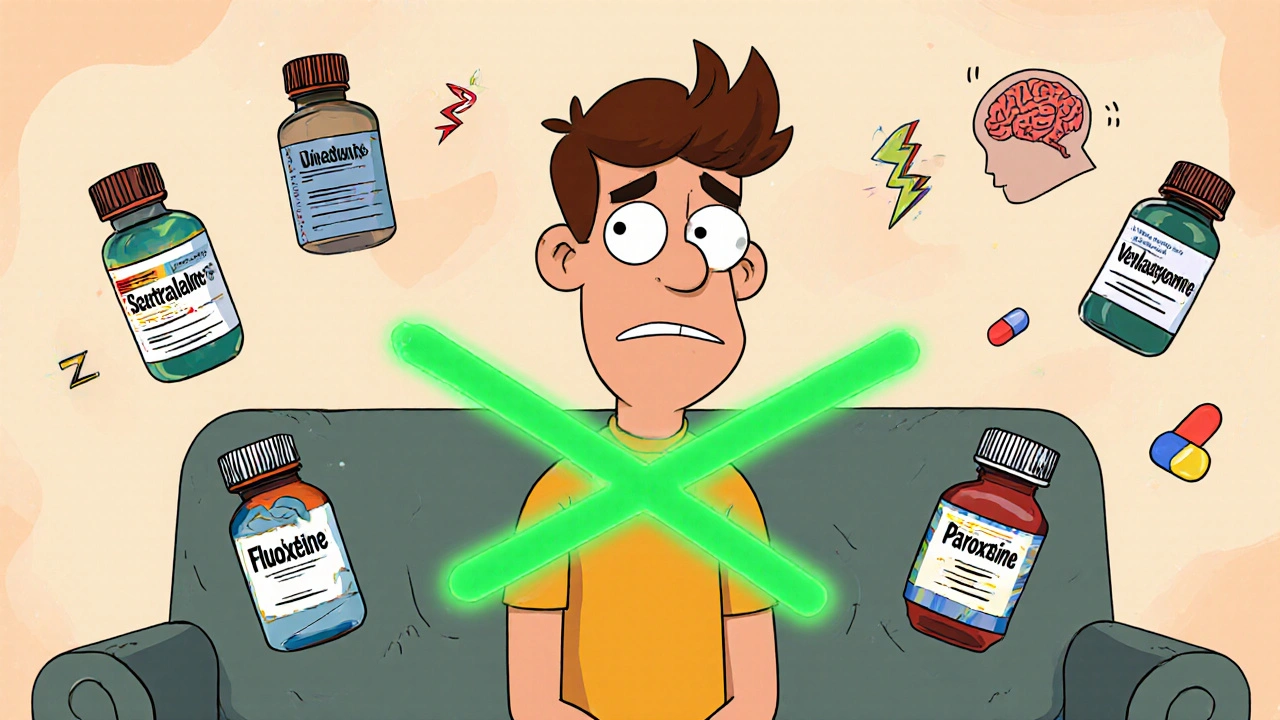
Switching antidepressants can be challenging, but with the right approach, side effects and withdrawal symptoms can be minimized. Learn the safest methods, what to expect, and how to navigate the transition effectively.
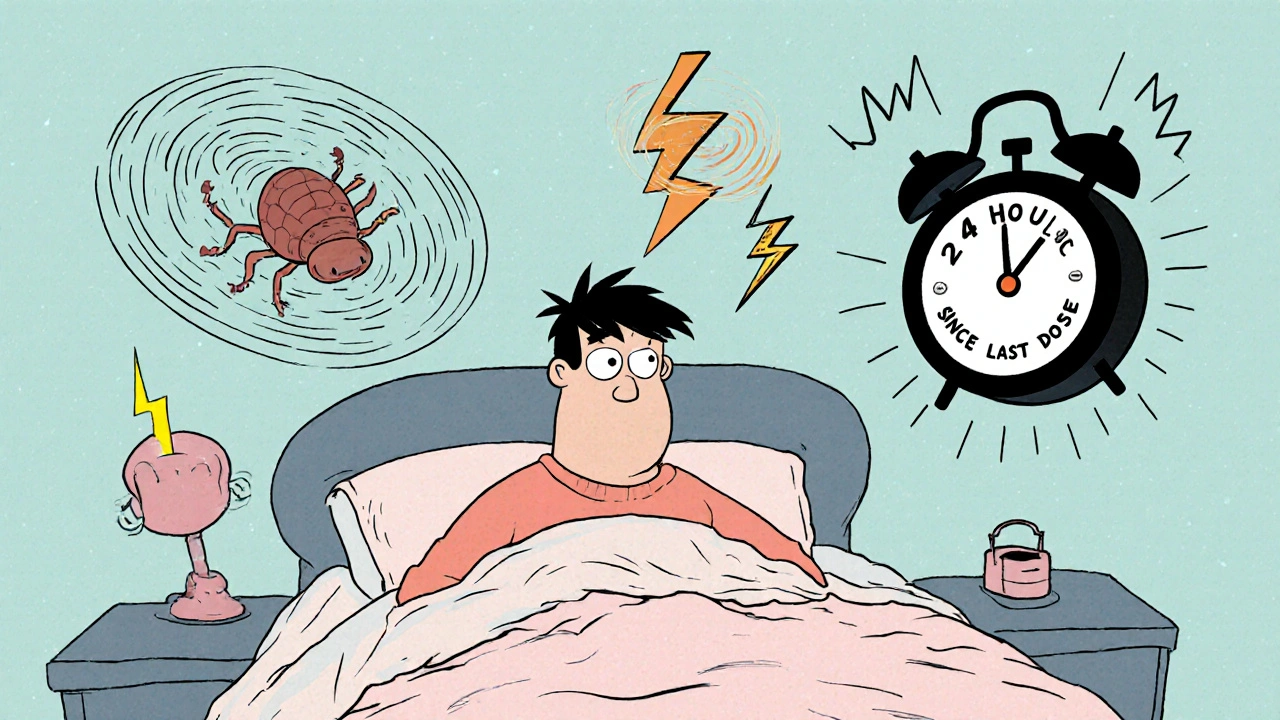
Antidepressant discontinuation syndrome causes real physical symptoms when stopping medication too quickly. Learn how to recognize the signs, why some drugs are worse than others, and how to taper safely to avoid withdrawal.
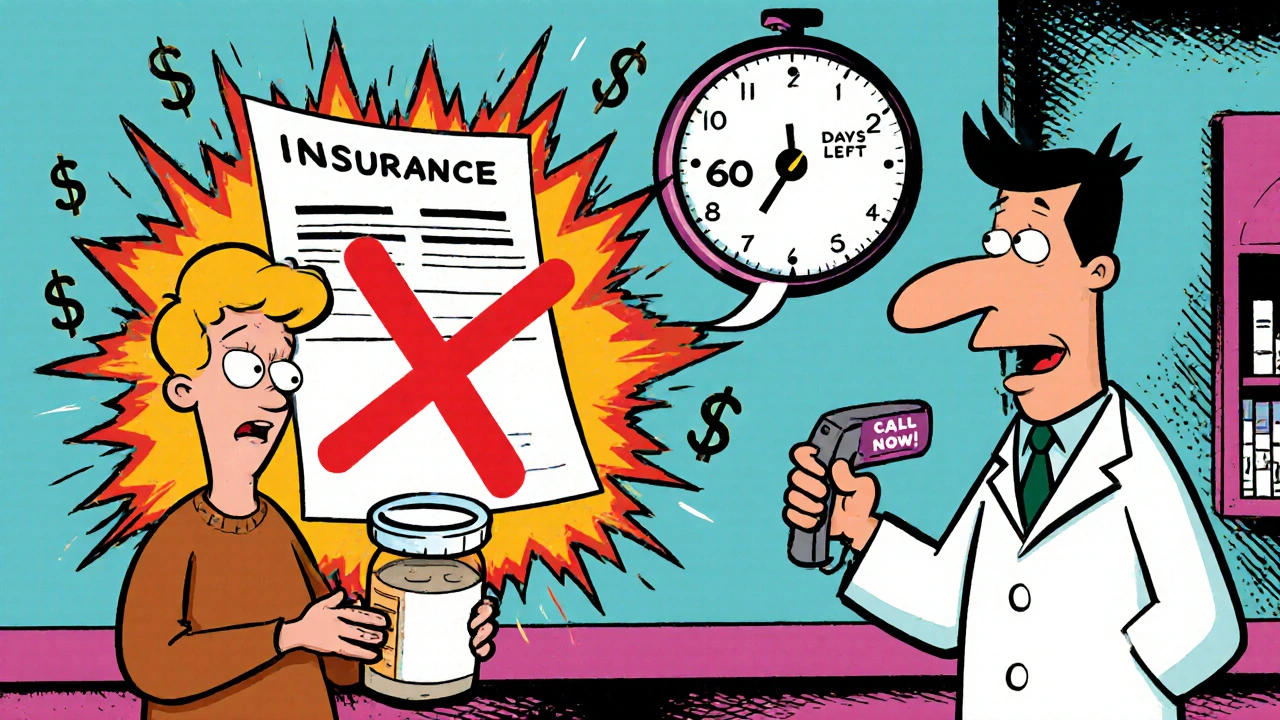
Formulary changes can disrupt your medication access and increase costs. Learn how to spot coverage updates, request exceptions, find alternatives, and use manufacturer assistance to protect your health.
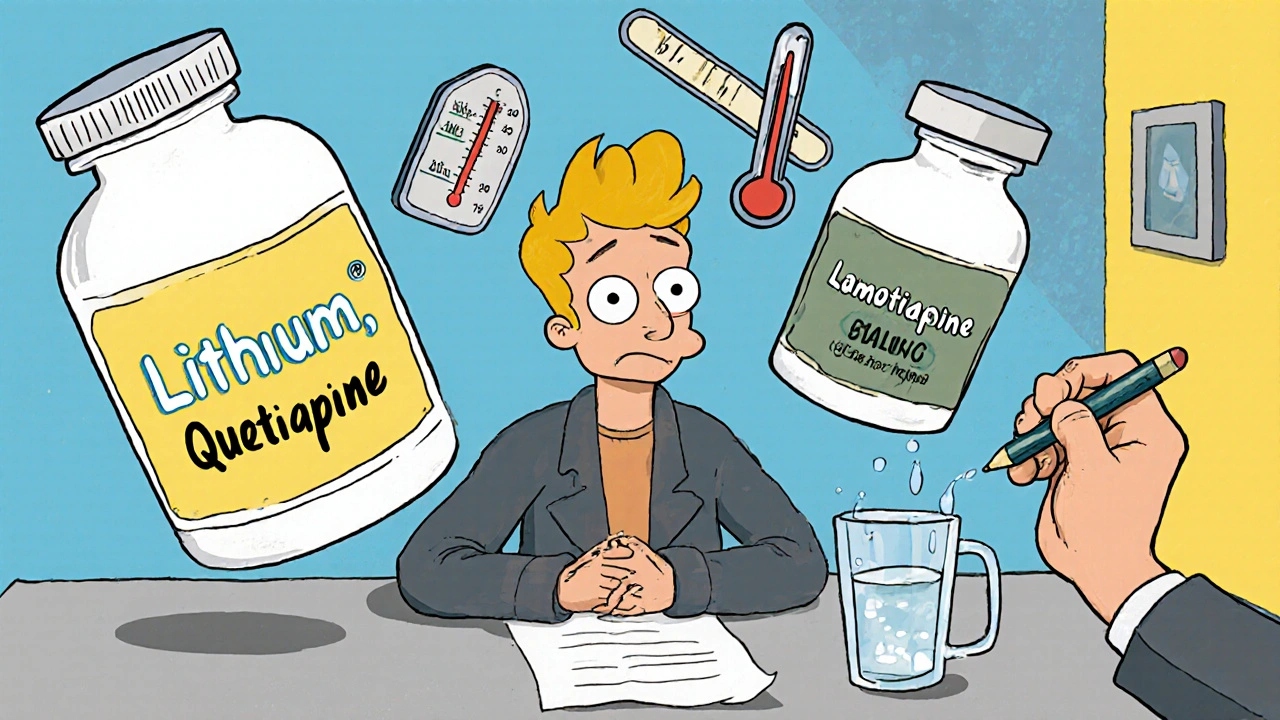
Mood stabilizers like lithium and antipsychotics like quetiapine are key to managing bipolar disorder, but side effects often lead to discontinuation. Learn how these drugs work, their real-world trade-offs, and what newer options are emerging in 2025.
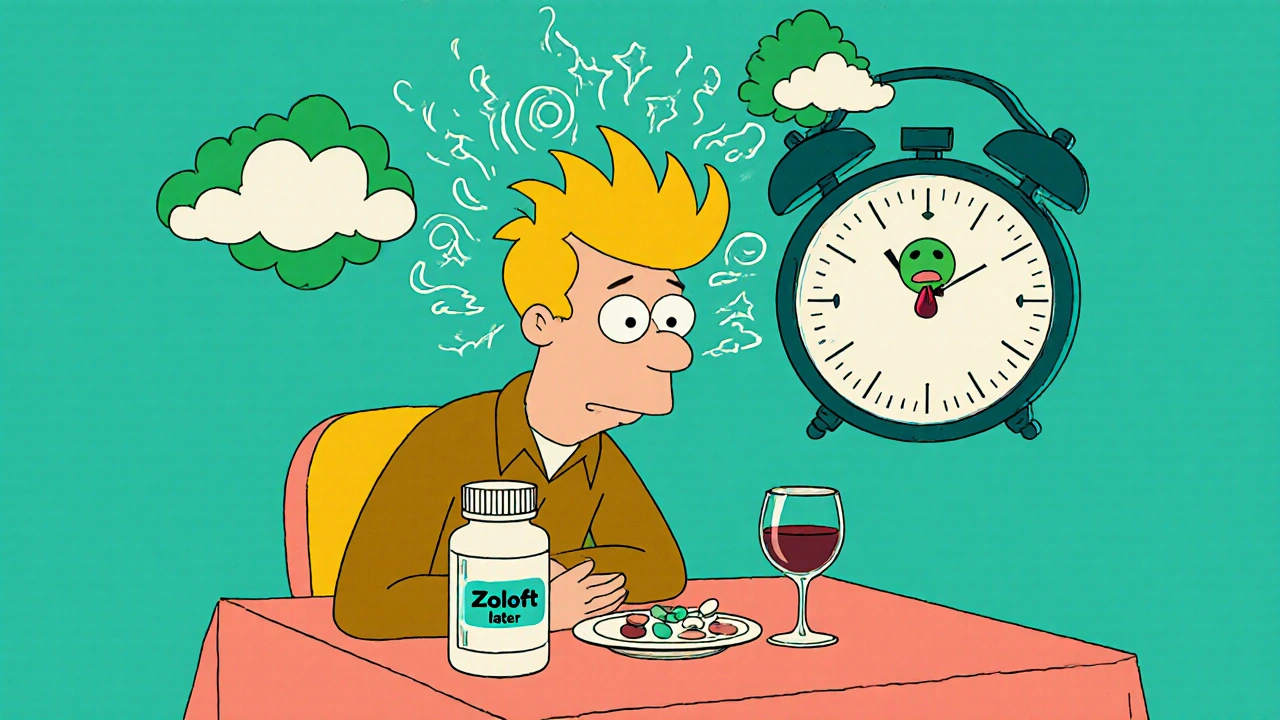
Mixing antidepressants and alcohol can worsen depression, reduce medication effectiveness, and increase suicide risk. Learn how different antidepressants react with alcohol and why even one drink can be dangerous.
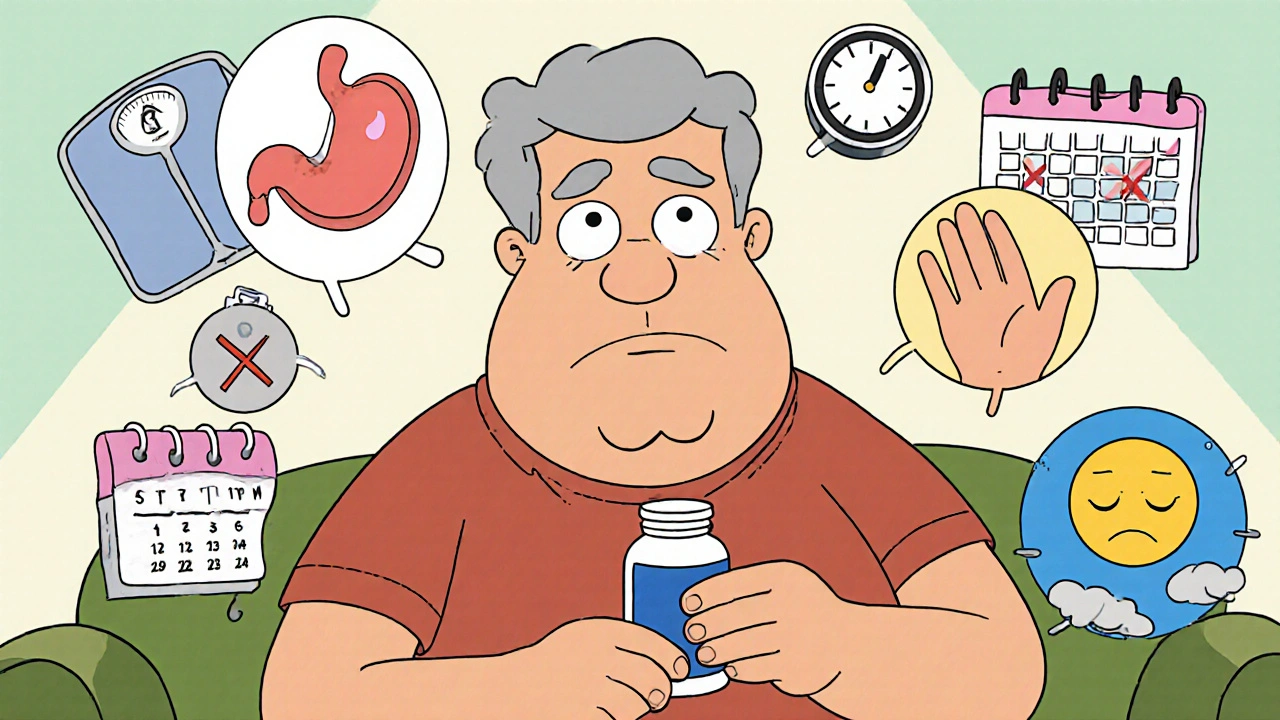
Knowing when to seek a second opinion about medication side effects can prevent serious health risks. Learn the red flags, how to prepare, and what to expect when you do.