
What ALS Patients and Families Need to Know About Breathing and Eating Support
When someone is diagnosed with ALS, the focus quickly shifts from treatment to survival. The disease doesn’t just weaken muscles-it steals the ability to breathe and swallow. But two simple, noninvasive interventions can change the trajectory: noninvasive ventilation and proper nutrition. These aren’t experimental. They’re backed by decades of research, used in top ALS clinics worldwide, and shown to add months, sometimes years, to life-while making those months far more livable.
Many people assume that once breathing gets hard, the end is near. That’s not true. With the right support, people with ALS can sleep through the night, eat without choking, and stay active longer than ever expected. The key is starting early-not waiting until you’re gasping for air or losing too much weight.
How Noninvasive Ventilation (NIV) Works in ALS
ALS slowly paralyzes the diaphragm and chest muscles. When that happens, breathing becomes shallow and inefficient. Oxygen drops, carbon dioxide builds up, and sleep turns into a struggle. That’s when noninvasive ventilation (NIV) steps in.
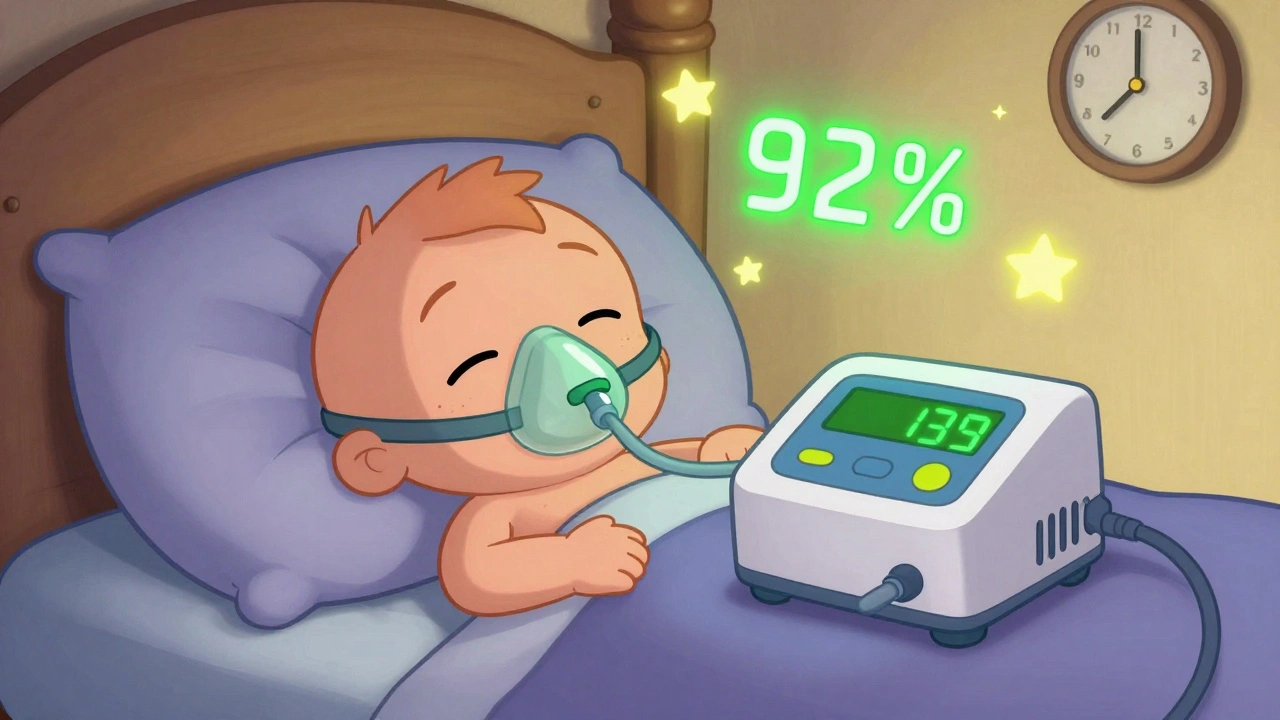
NIV doesn’t require a tracheostomy. Instead, a mask fits over the nose-or nose and mouth-and delivers pressurized air. Think of it like a gentle pump that helps your lungs expand when your muscles can’t. Most devices use bilevel positive airway pressure (BiPAP), which gives higher pressure when you inhale and lower pressure when you exhale. This makes breathing feel natural, not forced.
Standard settings start at 12-14 cm H₂O for inhalation and 4-6 cm H₂O for exhalation, with a backup rate of 12 breaths per minute. These aren’t set in stone. They’re adjusted over time based on blood tests, sleep studies, and how the patient feels. The goal? Keep oxygen above 92% at night and bring down carbon dioxide levels below 45 mmHg.
When to Start NIV-Before It’s Too Late
One of the biggest mistakes families make is waiting for symptoms to get severe. By then, it’s harder to adapt. The Canadian Thoracic Society and European guidelines say: start NIV when you have any of these signs:
- Morning headaches
- Daytime sleepiness
- Shortness of breath when lying flat (orthopnea)
- Forced vital capacity (FVC) below 80% of predicted
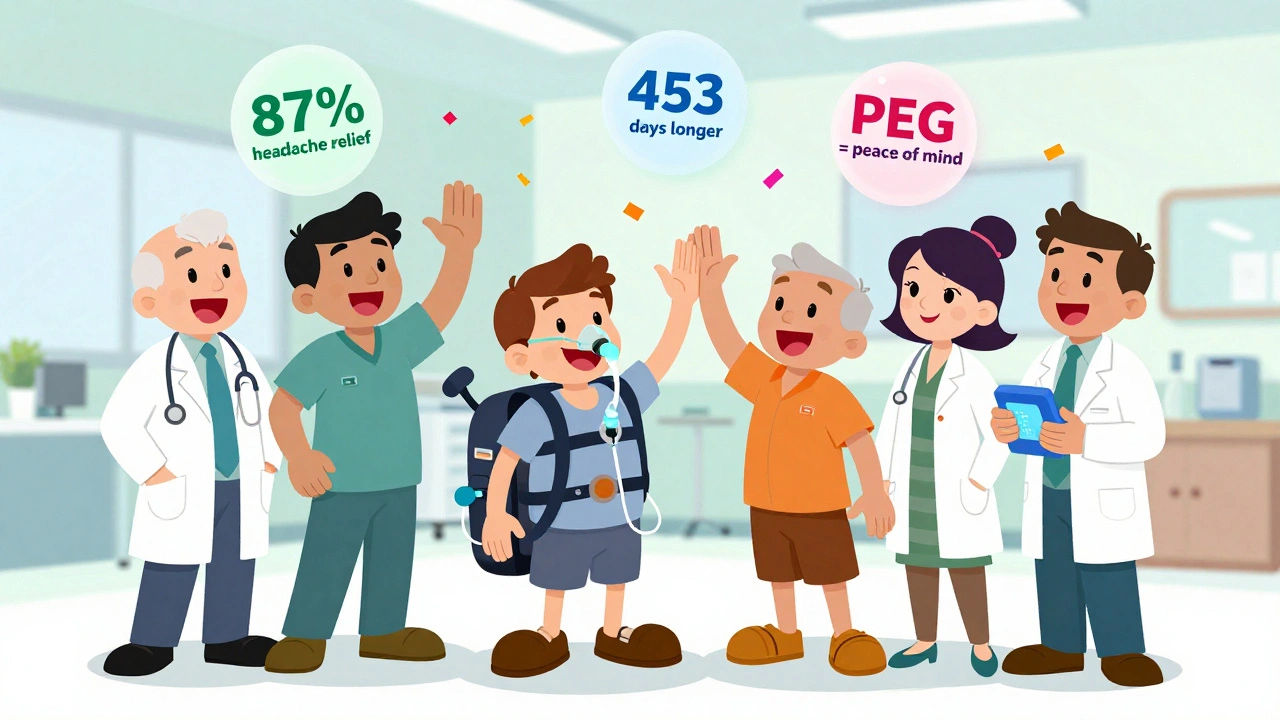
These aren’t just numbers. They’re warning signs. A 2006 study showed people who started NIV early lived 238 days longer on average than those who didn’t. Another study found median survival jumped from 215 days without NIV to 453 days with it.
But here’s the catch: many U.S. insurance companies still require FVC below 50% or MIP below -60 cm H₂O before approving coverage. That’s too late. By then, patients are already exhausted, and adapting to the mask becomes harder. Don’t wait for insurance rules. Talk to your neurologist or ALS clinic when FVC hits 80%. That’s the evidence-based threshold.
Real Results: What Patients Actually Experience
People who stick with NIV report life-changing changes within weeks:
- 87% say morning headaches disappear
- 79% sleep more deeply and wake up refreshed
- 72% feel more energy during the day
These aren’t anecdotes. They come from a 2023 ALS forum survey of over 200 users. One woman in Melbourne, diagnosed in 2022, started NIV at night after her FVC dropped to 75%. Within a month, she was reading before bed again-something she hadn’t done in years. Her husband said, “It was like getting her back.”
Adherence improves over time. In the first 30 days, users average 20 nights of use. By one year, that climbs to 27.5 nights per month. The first few weeks are tough-mask leaks, skin redness, feeling claustrophobic. But with proper fitting, humidification, and support from a respiratory therapist, most patients adapt. The Trilogy 100/106 ventilator, which allows daytime use, gets 4.2 out of 5 stars on ALS patient reviews. Standard BiPAP devices? Only 3.7.

Why Bulbar ALS Doesn’t Mean NIV Won’t Work
For years, doctors thought NIV wouldn’t help patients with bulbar ALS-the form where speech and swallowing are affected first. The concern? Mask leaks from mouth breathing, or choking on saliva.
That myth was shattered by a 2013 study in the Journal of Neurology. Researchers found that patients with bulbar ALS had the same survival benefit from NIV as those without it. The hazard ratio? 0.49. That means they were half as likely to die early when using NIV.
Today, top ALS centers don’t screen out bulbar patients. They use full-face masks, chin straps, and suction devices to manage secretions. One clinic in Melbourne now starts NIV at diagnosis for bulbar patients-even before FVC drops-because they’ve seen how much it preserves quality of life.
The Critical Role of Nutrition: Why Weight Matters More Than You Think
ALS doesn’t just rob you of movement. It steals your appetite. Swallowing becomes dangerous. Choking is common. Weight loss isn’t just a side effect-it’s a death sentence.
Research shows that losing more than 10% of your body weight in six months cuts survival time in half. The American Academy of Neurology recommends a percutaneous endoscopic gastrostomy (PEG) tube if you’re losing weight, even if you’re still eating. A PEG tube doesn’t mean you can’t eat by mouth. It means you can get calories and medicine safely when swallowing isn’t enough.
One 2006 study found that without a PEG, patients lost an average of 12.6% of their weight in six months. With a PEG? Just 0.5%. That difference added 120 days to life expectancy.
The key is timing. PEG placement is safest and most effective when FVC is above 50% and BMI is above 18.5. Once you’re in respiratory distress or severely underweight, the procedure becomes riskier. Many families delay because they think “it’s too early.” But early means better outcomes.
Combining NIV and Nutrition: The Real Game-Changer
Using NIV alone helps. Using a PEG alone helps. But using both? That’s when survival jumps dramatically.
A 2021 analysis of international ALS registries found that patients who received both interventions lived 12.3 months longer on average than those who got neither. That’s over a year of extra time-time to travel, to celebrate birthdays, to say goodbye properly.
That’s why multidisciplinary ALS clinics-teams that include neurologists, respiratory therapists, dietitians, and speech pathologists-see a 7.5-month survival advantage over standard care. They don’t wait for crises. They plan ahead.
What to Do If You’re Struggling with NIV or Nutrition
Adapting to NIV isn’t easy. Common problems:
- Mask discomfort (63% of users)
- Skin breakdown from pressure (41%)
- Feeling like you can’t exhale (38%)
Solutions:
- Try different mask types: nasal pillows, full-face, or hybrid designs
- Use a humidifier to reduce dryness
- Adjust pressure settings slowly over several days
- Ask for a Trilogy ventilator if you need daytime use
For nutrition:
- Start with high-calorie shakes if swallowing is hard
- Use thickening agents for liquids to prevent choking
- Don’t wait for weight loss to hit 10%-act when you’re losing 2-3%
- Work with a dietitian who specializes in ALS
Most clinics offer home visits from respiratory therapists. They’ll adjust masks, clean equipment, and troubleshoot issues. Don’t try to do it alone.
What’s Next? The Future of ALS Support
Research is moving fast. Clinical trials like NCT07071935 are testing AI tools to predict who will benefit most from early NIV. Others are studying real-time CO₂ monitoring to auto-adjust ventilator settings.
But right now, the best tools we have are simple: masks and feeding tubes. They’re not glamorous. They’re not cures. But they’re the most effective ways we have to give people with ALS more time-and more dignity.
If you or someone you love has ALS, don’t wait for the worst to happen. Ask your doctor about NIV and PEG now. Not next month. Not when you’re too tired. Now.
Can NIV be used during the day, not just at night?
Yes. While most people start with nighttime use, portable ventilators like the Philips Trilogy 100/106 are designed for daytime use too. These devices are lightweight (under 12 pounds), have built-in batteries, and can deliver volume-controlled breaths. Daytime NIV helps with fatigue, speech, and eating. It’s especially helpful for patients with advanced disease or bulbar symptoms.
Is a PEG tube painful or dangerous?
The procedure is done under light sedation and takes about 20 minutes. Most patients go home the same day. Risks are low-especially if done before FVC drops below 50%. The biggest risk is infection at the tube site, which is rare with proper care. Many patients say the relief from not worrying about choking or losing weight is worth it. PEG tubes don’t prevent eating by mouth; they just give you a backup.
How do I know if NIV is working?
Look for these signs: fewer morning headaches, better sleep, more energy during the day, and less shortness of breath. Your doctor can check blood gases or use the device’s built-in data to confirm you’re using it at least 4 hours a night. Consistent use over 4 hours is linked to survival benefit. If you’re using it less, talk to your therapist-adjustments can help.
Does insurance cover NIV and PEG tubes?
Yes, in most cases. Medicare, Medicaid, and private insurers cover both NIV devices and PEG placement when medically necessary. However, some insurers require strict criteria (like FVC below 50%) before approving NIV. If you’re denied, appeal with your neurologist’s letter and cite the AAN and CTS guidelines. Many patients successfully appeal by showing symptoms like orthopnea or morning headaches, even if FVC is above 50%.
What if I’m scared to start NIV or get a PEG?
It’s normal to feel scared. These are big steps. Talk to someone who’s already using them. Many ALS clinics offer peer mentoring. You can also visit a respiratory therapy clinic for a trial session with a mask-no commitment. For PEG, ask to meet a patient who had the procedure. Seeing someone living well with both tools makes it real. Remember: starting early doesn’t mean giving up. It means choosing more time, more comfort, and more control.
What to Do Next
If you’re not already working with an ALS specialist clinic, find one. These centers have teams trained in NIV setup, PEG care, and nutrition planning. They know the latest devices, how to troubleshoot mask leaks, and when to adjust settings.
Ask your neurologist:
- What’s my current FVC percentage?
- Am I showing early signs of respiratory decline?
- Have we discussed PEG placement yet?
- Can I meet with a respiratory therapist and dietitian this week?
Don’t wait for the next crisis. The best time to start NIV and nutrition support is before you need it.


Joel Deang
December 1, 2025bro i started niv last month after my fvc hit 78% and holy crap it’s like night and day. used to wake up with headaches every day now i’m actually sleeping 😅
Roger Leiton
December 3, 2025this is such an important post. my mom got her peg tube at 82% fvc and honestly? she’s been eating pizza again. not much, but enough. the relief on her face when she didn’t have to choke on soup… i’ll never forget it. 🙏
Laura Baur
December 4, 2025Let me be clear: the medical establishment has been dangerously negligent in delaying noninvasive ventilation until patients are in respiratory failure. The evidence is not merely suggestive-it is overwhelming, replicated across multiple international cohorts, and endorsed by the European Respiratory Society, the American Academy of Neurology, and the Canadian Thoracic Society. To wait for FVC to drop below 50% is not prudence-it is negligence masked as caution. This is not a matter of opinion. It is a matter of clinical ethics.
Steve World Shopping
December 5, 2025The pathophysiological cascade in ALS is inexorably linked to respiratory muscle atrophy and bulbar dysfunction. NIV serves as a biomechanical compensatory mechanism to offset the loss of diaphragmatic excursion and reduce CO2 retention. PEG, conversely, mitigates the catabolic state induced by dysphagia-induced caloric deficit. The synergy between these two interventions is not additive-it is multiplicative in terms of survival benefit.
Paul Keller
December 5, 2025I appreciate the data here. But I’ve seen too many families rush into NIV because they’re scared, then end up with a mask that causes skin breakdown, sleep deprivation, and resentment. It’s not just about starting early-it’s about starting *right*. Proper fitting, humidification, and therapist follow-up are non-negotiable. If you skip those, you’re not helping-you’re torturing them.
Shannara Jenkins
December 7, 2025I’m a caregiver and this post made me cry. Not because it’s sad-but because it gave me hope. My husband started NIV at 76% and now he laughs while watching tv at night. We didn’t know it was possible to feel normal again. Thank you for saying this so clearly.
Elizabeth Grace
December 7, 2025i just lost my dad to als and we waited too long. he hated the mask. said it felt like drowning. we didn’t know about full-face or chin straps. if i could go back… i’d have fought harder. please don’t wait like we did.
Steve Enck
December 8, 2025This post is dangerously optimistic. You’re implying that these interventions are universally beneficial, when in reality, they merely prolong suffering for many patients who no longer have quality of life. The assumption that more time = better life is a privileged, ableist fantasy. Some people would rather die with dignity than live tethered to a machine while choking on pureed food.
Jay Everett
December 9, 2025y’all need to hear this: NIV isn’t a death sentence-it’s a lifeline with a Wi-Fi connection. 🚀 My cousin got a Trilogy 106 and now he’s texting his grandkids from his recliner while watching baseball. The mask? Yeah, it took 3 weeks to get used to. The humidifier? Game changer. The dietitian who taught him to blend peanut butter into smoothies? LEGEND. This isn’t about surviving. It’s about living like you still matter.
Jack Dao
December 9, 2025I’m surprised this isn’t more widely publicized. Most people don’t even know NIV exists until they’re gasping. And PEGs? Still seen as ‘giving up.’ Newsflash: it’s not giving up-it’s upgrading your life support system. Like switching from a flip phone to an iPhone. You’re not surrendering-you’re optimizing.
dave nevogt
December 10, 2025There’s something quiet and profound about the way these interventions restore not just function, but presence. I’ve sat with patients who, after weeks of NIV, finally whispered a full sentence without stopping to breathe. It’s not about the numbers on the machine. It’s about the way their eyes light up when they realize they can hear their own voice again. That’s the real miracle.
Arun kumar
December 10, 2025in india most people dont even know about niv. my uncle got pega tube after he lost 15kg. doc said too late but still did it. he lived 11 more months. better than nothing i guess.
ATUL BHARDWAJ
December 12, 2025Start early. No excuses.
Rebecca M.
December 13, 2025Oh wow, so now we’re supposed to be grateful for being forced to sleep with a mask on and eat sludge through a tube? How noble. How *dignified*. I’m sure your loved one is just thrilled to be a medical success story.