PEG Tube: What It Is, Who Needs It, and What You Should Know
When someone can’t swallow safely or get enough nutrition by mouth, a PEG tube, a percutaneous endoscopic gastrostomy tube placed through the abdominal wall into the stomach for long-term feeding. Also known as a feeding tube, it’s a lifeline for people recovering from stroke, living with neurological conditions, or battling cancer. Unlike temporary nasogastric tubes that go through the nose, a PEG tube stays in place for months or years, making it a practical choice for ongoing nutrition support.
People with dysphagia, difficulty swallowing due to stroke, ALS, dementia, or head and neck cancers often rely on PEG tubes to avoid choking and aspiration pneumonia. It’s also used for those with gastrointestinal disorders, like severe gastroparesis or esophageal strictures, where food can’t move properly from mouth to stomach. Even kids with developmental delays or neuromuscular diseases get PEG tubes to grow and thrive. The procedure is minimally invasive, done with an endoscope and local anesthesia, and most people go home the same day.
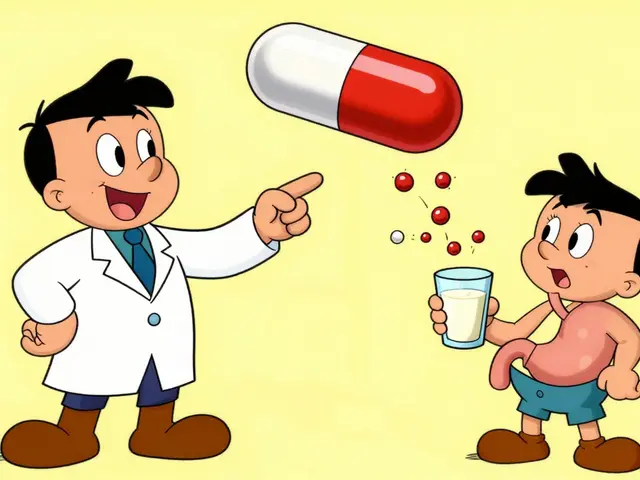
But a PEG tube isn’t just about putting food in. It’s about managing daily care—cleaning the site, checking for leaks or infection, flushing the tube after each feed or medication, and watching for complications like blockages or skin irritation. Medications must be crushed or liquidized properly; pills can clog the tube. Some people worry about quality of life, but many find they feel better once they’re getting consistent nutrition. It’s not a last resort—it’s a tool that restores dignity and health.
What you’ll find below are real, practical guides on how PEG tubes connect to medications, nutrition safety, and everyday challenges. From how certain drugs interact with tube feeding to why generic meds can behave differently when given through a tube, these posts cut through the noise. You’ll see how infections, feeding schedules, and even insurance coverage play into the daily reality of living with a PEG tube. This isn’t theory—it’s what people actually deal with, and what they need to know to stay safe and informed.