
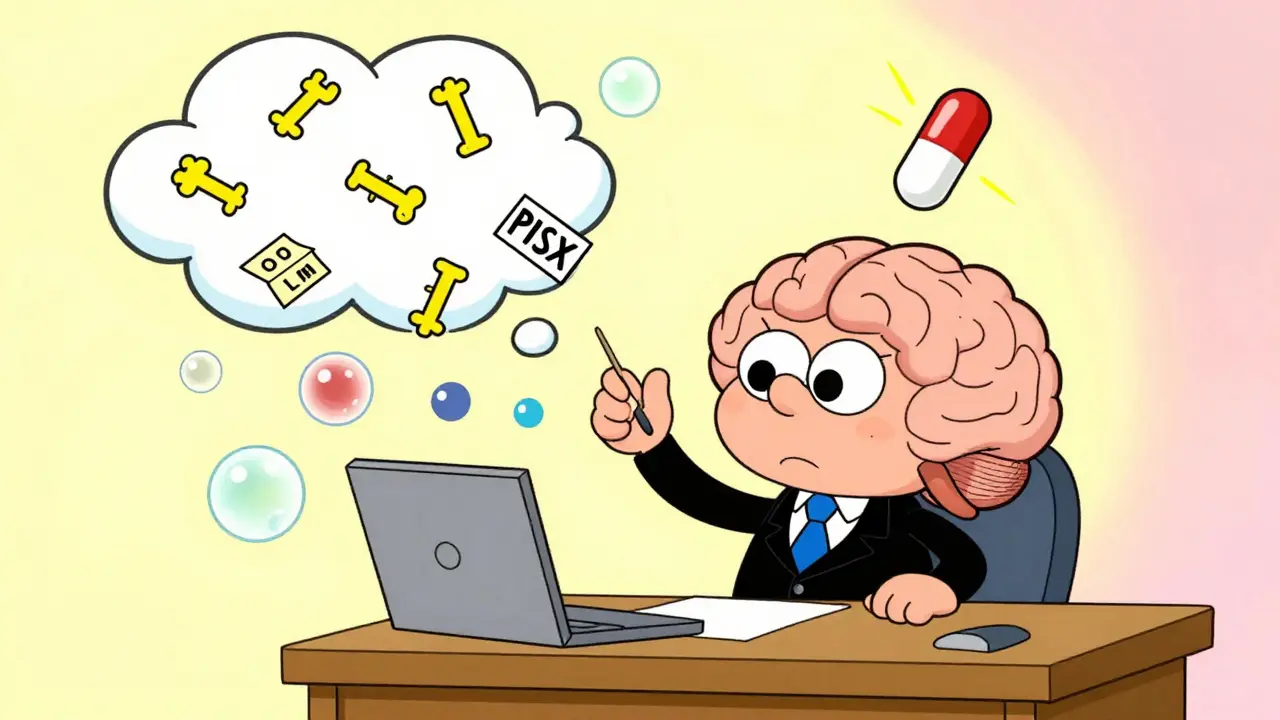
When you’re struggling to focus, stay organized, or sit still, it’s easy to feel like something’s broken inside you. But ADHD isn’t a character flaw-it’s a neurodevelopmental condition with real biological roots. The good news? We’ve got tools that actually work. Medication isn’t the only answer, and it’s not always the first. But when used right-with the right support-it can change everything.
How ADHD Medications Actually Work
Stimulants like methylphenidate and amphetamine don’t make you hyper. They calm the overactive parts of your brain. Think of your prefrontal cortex as the CEO of your brain-it’s supposed to manage focus, impulse control, and planning. In ADHD, that CEO is under-resourced. Stimulants boost dopamine and norepinephrine, two brain chemicals that help the CEO do its job.
Methylphenidate (Ritalin, Concerta, Focalin) blocks the reuptake of these chemicals so they stick around longer. Amphetamines (Adderall, Vyvanse, Dexedrine) do the same but also push more of them out of storage. Both work fast-within 30 to 60 minutes-and about 70 to 80% of people see clear improvement in focus and impulse control.
Non-stimulants work differently. Atomoxetine (Strattera) slowly increases norepinephrine. Guanfacine (Intuniv) and clonidine (Kapvay) calm overactive nerve signals in the brain’s control centers. They take weeks to kick in, but they’re a lifeline for people who can’t tolerate stimulants-or who have tics, anxiety, or a history of substance use.
Stimulants: Fast, Effective, But Not Without Trade-Offs
Stimulants are the gold standard. But they’re not magic. Side effects are common-and often predictable.
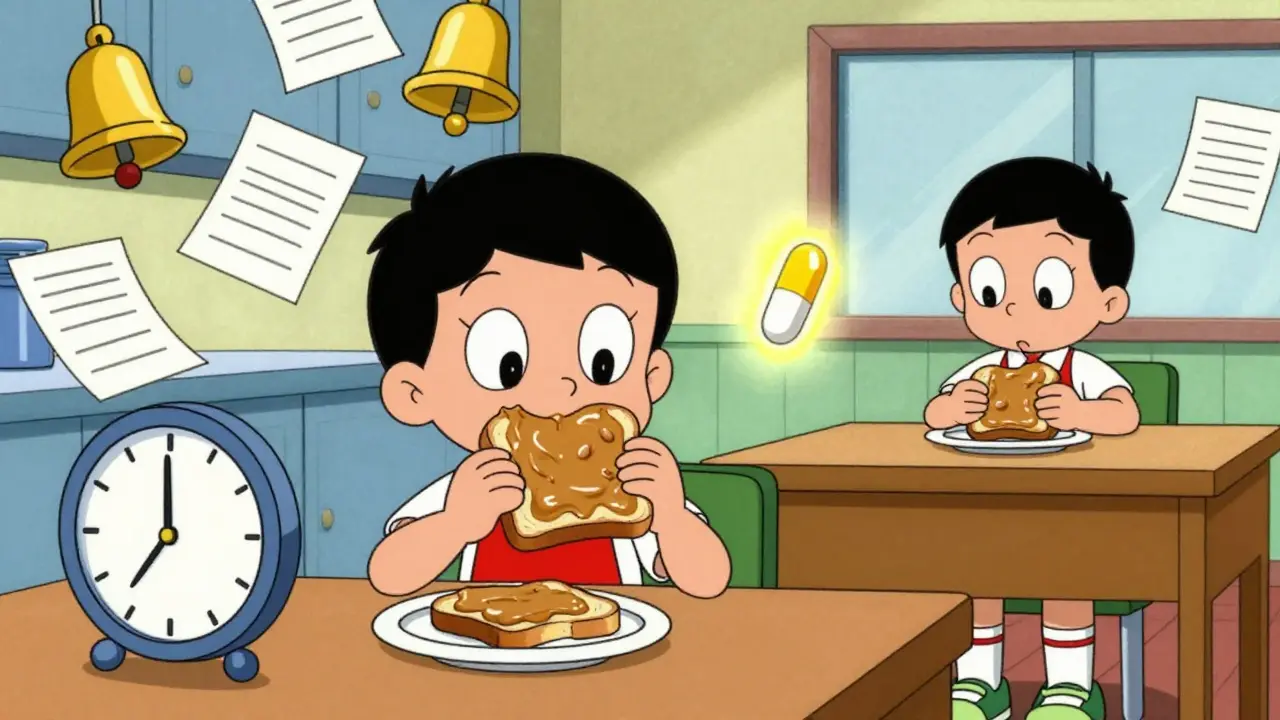
- Appetite loss hits 50-60% of kids on stimulants. Some adults report eating only one meal a day. The fix? Eat protein-rich meals before the med kicks in. A scrambled egg or peanut butter toast before school can make a huge difference.
- Sleep problems? 30-50% of users struggle to fall asleep. Moving the last dose to 6-8 hours before bedtime helps 65% of people. If that doesn’t work, switching to a shorter-acting version or trying non-stimulants can help.
- Headaches and stomachaches are mild but frequent. Usually fade after a few weeks.
- Rebound irritability-when the med wears off-shows up in 45% of kids. That cranky, tearful hour after school? That’s not bad parenting. That’s pharmacology.
Adults report emotional blunting-feeling "flat" or detached. Some say it’s worth it. Others say it’s too high a price. There’s no universal answer. It’s personal.
Girls and women report side effects more often than boys and men. One study found females experienced side effects 1.4 times more frequently. Why? Hormonal differences, metabolism, and maybe under-dosing due to outdated assumptions about ADHD in women.
Non-Stimulants: Slower, Safer, But Less Powerful
If stimulants feel like a sledgehammer, non-stimulants are a scalpel. They’re not as strong, but they’re gentler.
Atomoxetine (Strattera) is the most common. It works for about 50-60% of people-lower than stimulants, but still meaningful. It doesn’t cause appetite loss or sleep issues. It’s not addictive. But it can take 4-6 weeks to show results. And it’s expensive without insurance.
Intuniv and Kapvay are alpha-2 agonists. Originally blood pressure meds, they’re now used for ADHD because they calm the brain’s emotional switches. They’re great for kids with explosive anger, emotional outbursts, or co-occurring anxiety. Side effects? Drowsiness, low blood pressure, dizziness. Not ideal for athletes or people with heart conditions.
They’re often used as add-ons-not replacements. A child on a low-dose stimulant who still has meltdowns after school? Add guanfacine at night. The combo can be more effective than either alone.
Behavioral Strategies: The Missing Half of the Puzzle
Medication helps you focus. Behavioral strategies help you live with ADHD when the meds wear off.
Parent training programs like the New Forest Parenting Programme aren’t just "be more consistent." They’re structured, evidence-based, and require real work. Twelve to sixteen 90-minute sessions. Daily practice. Tracking behavior. Reward systems. It’s exhausting. But studies show 40-50% symptom improvement-just from parenting changes.
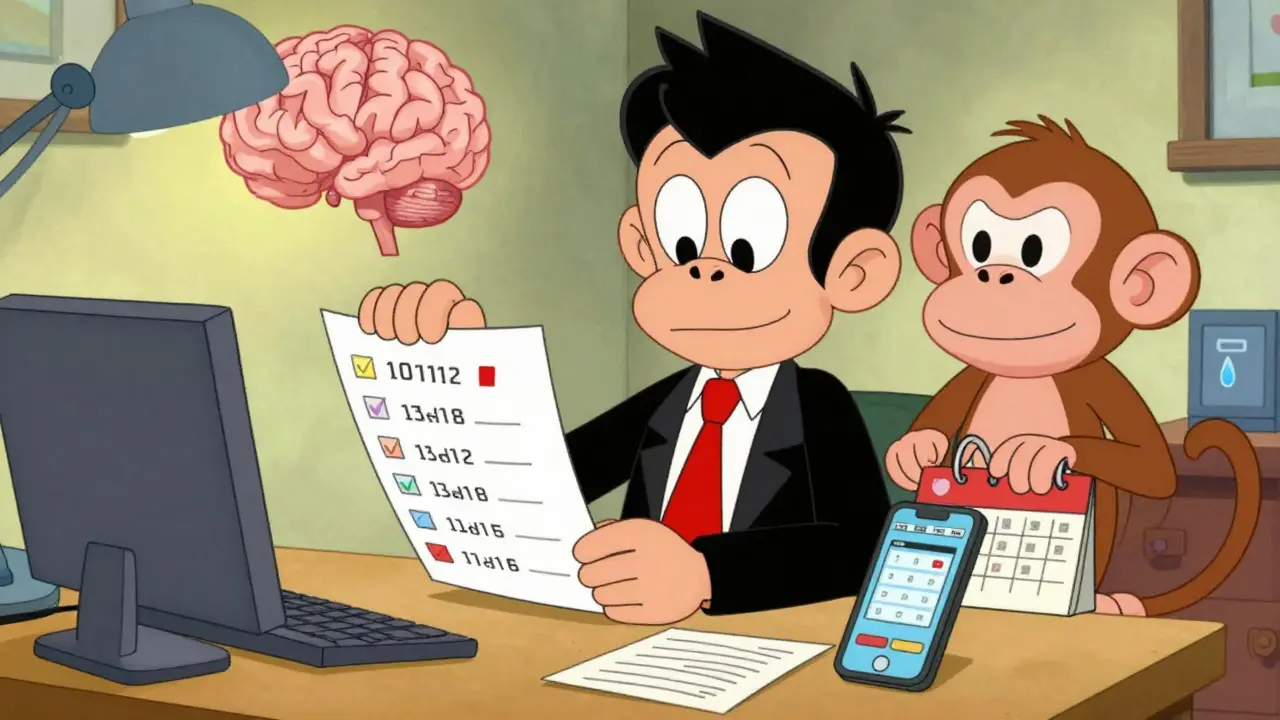
For adults, it’s about systems, not willpower. Use timers. Break tasks into 10-minute chunks. Keep your workspace bare. Use apps that block distractions. Write everything down. ADHD brains don’t remember tasks-they remember cues. So make the cues obvious.
Schools matter too. A 504 Plan or IEP isn’t a luxury-it’s a legal right. Extra time on tests, seating near the front, reduced homework load, check-in checkpoints. These aren’t "handouts." They’re accommodations that level the playing field.
What the Research Really Says
The landmark MTA study in 1999 found that medication alone worked better than behavioral therapy alone. But the best results? Medication + behavioral therapy. The combo beat everything else-academically, socially, emotionally.
Fast forward to 2022: a 20-year follow-up showed people who took ADHD meds as kids didn’t end up worse off as adults. In fact, they were more likely to finish school and hold jobs. But 28% stopped meds by adolescence. Why? Side effects. Feeling different. Peer pressure. Believing they "outgrew it."
Long-term growth suppression? Yes, it happens. About 30% of kids on stimulants grow slightly slower in the first year. But by year three, most catch up. Regular height and weight checks every six months catch this early.
Cardiovascular risks? Real, but rare. Tachycardia, elevated BP-these happen in 5-10% of users. That’s why a baseline EKG and blood pressure check are required before starting stimulants. For most, it’s fine. For kids with heart conditions? Avoid stimulants. Use non-stimulants instead.
Cost, Access, and the Real-World Hurdles
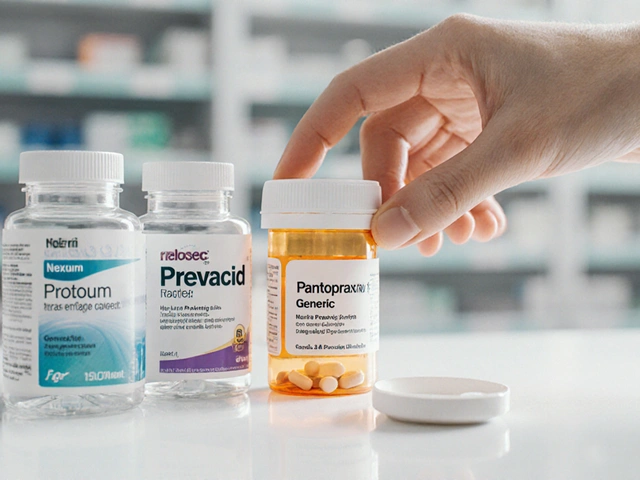
Generic methylphenidate costs $15-$25 a month. Concerta? $250-$400 without insurance. Many insurers force you to try the cheapest option first-step therapy. That means you might waste months on a med that doesn’t work for you.
And access isn’t equal. In rural areas, child psychiatrists are scarce. In low-income families, meds are a luxury. In schools with no counselors, behavioral strategies vanish.
There’s hope. In 2023, the FDA approved AZSTARYS-a new long-acting stimulant designed to be harder to misuse. Digital therapeutics like EndeavorRx (an FDA-cleared video game for kids) are now covered by some insurers. VR-based training is in phase 3 trials. Personalized medicine is coming: genetic tests can now predict who’s likely to respond to methylphenidate vs. amphetamine based on CYP2D6 and CYP2C19 genes.
Choosing What’s Right for You
There’s no one-size-fits-all. Here’s how to think about it:
- Need fast results? Start with a stimulant.
- Have anxiety, tics, or substance use? Try atomoxetine or guanfacine.
- Struggle with sleep or appetite? Try a shorter-acting stimulant or switch to non-stimulant.
- Parent of a young child? Behavioral therapy should start now-even before meds.
- Adult with work struggles? Combine medication with coaching or organizational tools.
Don’t give up if the first med doesn’t work. It’s not failure. It’s data. Try another. Adjust the dose. Add behavioral support. ADHD treatment is a process, not a prescription.
What No One Tells You
Medication doesn’t fix everything. You still have to show up. You still have to try. You still have to forgive yourself when you forget, when you lose your keys, when you miss a deadline.
But here’s the truth: with the right tools, ADHD doesn’t have to be a life sentence of shame. It can be a challenge you manage-like diabetes, like asthma. You don’t need to be perfect. You just need to be supported.
And you’re not alone. Millions of people are figuring this out every day. Some on stimulants. Some on non-stimulants. Some with therapy. Some with apps. Some with just a calendar and a lot of patience.
The goal isn’t to be "normal." It’s to be functional. To be free. To live a life that fits you-not the other way around.
Are stimulants addictive for people with ADHD?
No, not when taken as prescribed. People with ADHD who use stimulants under medical supervision have a lower risk of substance abuse than those who go untreated. The brain in ADHD responds differently-medication restores balance, not euphoria. Abuse happens when people without ADHD take them to stay awake or get high. That’s not the same thing.
Can ADHD be managed without medication?
Yes, but it’s harder-and often less effective for moderate to severe cases. Behavioral therapy, structure, coaching, and lifestyle changes can help significantly. But for many, especially in school or high-pressure jobs, medication makes the difference between struggling and thriving. It’s not an either/or. It’s often both.
Why do some people say ADHD meds change their personality?
That’s usually a sign the dose is too high. Stimulants shouldn’t make you feel numb or robotic. If you feel like you’re not yourself, talk to your doctor. Lower the dose. Switch the med. Try a different formulation. You’re not broken-you’re just on the wrong dose.
Do ADHD meds stunt growth in kids?
They can slow growth temporarily in the first year-about 1-2 cm on average. But most kids catch up by age 16-18. Regular height and weight checks every six months help catch this early. If growth slows too much, your doctor may pause meds for a few months to let the body recover.
Is it safe to take ADHD meds long-term?
Yes, for most people. Studies tracking people for 10-20 years show no major long-term health risks from stimulants when used as directed. The biggest risks are cardiovascular, but those are rare and manageable with regular check-ups. The bigger danger? Not treating ADHD. Untreated ADHD is linked to higher rates of accidents, job loss, depression, and substance abuse.
What’s the best non-medication strategy for ADHD?
Structure. People with ADHD don’t need more motivation-they need better systems. Use timers, alarms, checklists, and visual cues. Break big tasks into tiny steps. Keep your environment clutter-free. The most effective strategy isn’t fancy-it’s consistent. Set the same wake-up time, eat breakfast at the same place, write down your next step before you leave the house.
bob bob
January 3, 2026I used to think ADHD was just being lazy or distracted, but after my brother got diagnosed, I saw how real it is. He went from failing classes to acing them with meds and a simple timer system. No magic, just structure. It’s wild how much difference it makes when you stop blaming the person and start helping them.
Vicki Yuan
January 5, 2026The part about girls and women experiencing side effects 1.4 times more frequently is critical. I’ve been on Vyvanse for five years, and my doctor kept saying, 'You’re just sensitive.' Turns out, I was underdosed because they assumed ADHD in women looks different. When they finally increased my dose properly, everything clicked. Stop assuming. Start listening.
Peyton Feuer
January 6, 2026sooo i tried adderall once just to see what it was like… like 10mg? and i just sat there staring at my wall for 3 hours like a confused robot. felt like my brain was wrapped in plastic. never again. but my cousin swears by it. weird how it hits different for everyone.
josh plum
January 7, 2026They’re lying to you. Big Pharma doesn’t want you to know stimulants are just legal cocaine for kids. The FDA approves these drugs because they get paid by the pharma giants. Your kid’s ‘focus’? That’s just chemical suppression. Wake up. There’s a reason so many kids are on meds now-because the system’s broken, not their brains.
Clint Moser
January 8, 2026Let’s talk about CYP2D6 polymorphisms. If you’re a poor metabolizer, methylphenidate will saturate your plasma and cause erratic dopaminergic signaling. That’s why some folks report emotional blunting-it’s not the drug, it’s your SNP profile. Get your pharmacogenomics tested before you even touch a prescription. Otherwise you’re just gambling with your neurochemistry.
Ashley Viñas
January 9, 2026It’s so sad how people treat ADHD like a lifestyle choice. You wouldn’t tell someone with diabetes to just 'try harder' not to have high blood sugar. Yet here we are, judging parents who use behavioral strategies because they 'don’t want to medicate.' It’s not about being 'natural'-it’s about giving your kid the tools to survive a world that doesn’t accommodate neurodivergence.
Brendan F. Cochran
January 11, 2026Why do we let foreigners tell us how to treat ADHD? In my day, we just got spanked and told to sit still. Now we’ve got apps, video games, and doctors prescribing pills like candy. This country’s gone soft. You want focus? Go outside. Run. Lift weights. Stop coddling kids with tech solutions. America needs discipline, not dopamine boosts.
jigisha Patel
January 13, 2026The MTA study is methodologically flawed due to selection bias and lack of long-term control groups. Furthermore, the 20-year follow-up fails to account for confounding socioeconomic variables. The assertion that medication improves occupational outcomes is correlational, not causal. One must question the integrity of pharmaceutical-funded longitudinal data.
Mandy Kowitz
January 15, 2026Wow. So we’re just supposed to believe everything written in this 10-page essay like it’s scripture? Next thing you know, they’ll say ADHD meds are the reason we have space travel.