Discontinuation Syndrome: What It Is and How to Avoid It
When you stop taking certain medications—especially antidepressants, anti-anxiety drugs, or pain relievers—your body doesn’t always adjust right away. This mismatch can trigger discontinuation syndrome, a set of physical and mental symptoms that occur after abruptly stopping a medication your body has adapted to. Also known as withdrawal syndrome, it’s not addiction—it’s your nervous system reacting to the sudden loss of a drug it’s been relying on. Many people think if they feel fine, they can just quit cold turkey. But that’s when trouble starts.
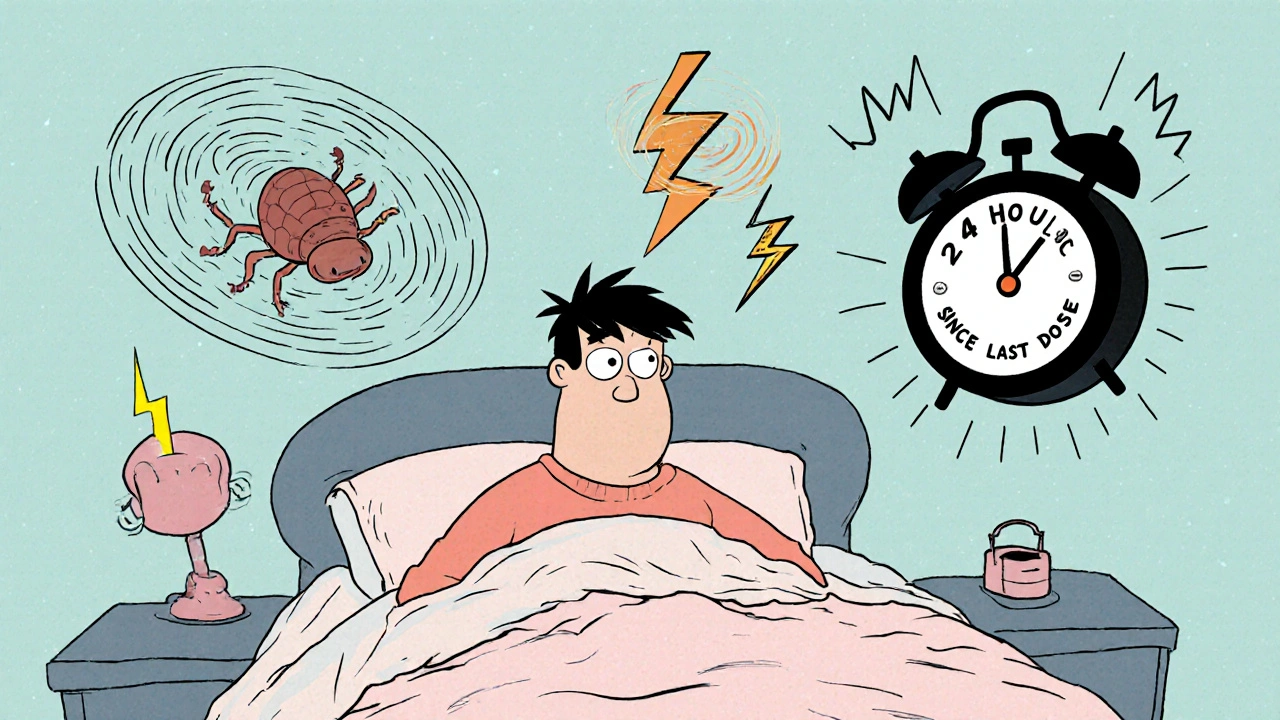
Discontinuation syndrome isn’t the same as addiction, but it can feel just as bad. Symptoms like dizziness, brain zaps, nausea, insomnia, irritability, and even flu-like feelings can show up within days of stopping. These aren’t random—they’re tied to how the drug affects brain chemicals like serotonin, norepinephrine, or GABA. For example, stopping an SSRI too fast can cause a serotonin dip that triggers brain zaps and mood swings. That’s why antidepressant withdrawal, a common form of discontinuation syndrome seen with SSRIs and SNRIs is so well-documented. It’s not in your head—it’s in your chemistry.
Some drugs are riskier than others. Medications with short half-lives—like paroxetine or venlafaxine—leave your system fast, making symptoms hit harder and sooner. That’s why switching between antidepressants or changing doses needs a plan. medication tapering, the gradual reduction of a drug’s dose over time is the safest way out. It gives your brain time to rebalance. Skipping tapering? You’re gambling with your comfort—and sometimes your safety. And if you’re mixing meds, like an SSRI with an MAOI or even certain painkillers, you could accidentally trigger serotonin syndrome, a rare but dangerous spike in serotonin levels that can be life-threatening. That’s why knowing your meds matters.
You’ll find real stories here—not theory. People who’ve been through abrupt stops, misread labels, or got caught off-guard by formulary changes. You’ll see how others managed their taper, what symptoms they didn’t expect, and how they got help when things went sideways. No fluff. No jargon. Just what works when you’re trying to get off a drug without wrecking your week.