NTI Drugs: What They Are and Why They Require Extra Care
Narrow Therapeutic Index (NTI) drugs, medications where the difference between a safe dose and a toxic one is extremely small. Also known as narrow therapeutic window drugs, they require precise dosing and close monitoring because even tiny changes in blood levels can lead to treatment failure or life-threatening side effects. You won’t hear this term often unless you’re on one—drugs like warfarin, lithium, phenytoin, levothyroxine, and cyclosporine fall into this category. They’re not rare, but they’re dangerous if handled carelessly.
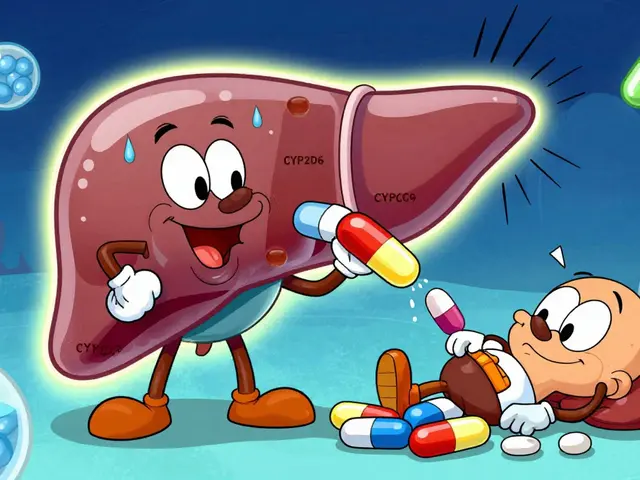
Why does this matter? Because NTI drugs don’t forgive mistakes. A generic version that’s 10% less absorbed might make your blood clot when it shouldn’t, or cause your thyroid to underfunction. That’s not theory—it’s documented in real cases where patients had seizures, strokes, or organ rejection after switching generics without proper testing. The FDA says some NTI drugs need stricter bioequivalence standards, but not all do. That gap leaves patients vulnerable. And when you add in interactions—like coffee reducing levothyroxine absorption, or omeprazole blocking clopidogrel activation—the risk multiplies. These aren’t just "side effects." They’re direct threats to survival.
People on NTI drugs often don’t realize how fragile their balance is. A pharmacy switch, a new supplement, even a change in meal timing can throw things off. That’s why so many posts here focus on medication errors, label misunderstandings, and generic drug failures. You’ll find guides on how to spot when a generic isn’t working, how to use the FDALabel database to check for hidden warnings, and what to do when your insurance changes your formulary. This isn’t about theory. It’s about keeping you alive and stable. Below, you’ll find real stories and practical steps from people who’ve been there—how to test your levels, how to talk to your pharmacist, and when to demand a brand-name prescription. Don’t assume all pills with the same name are equal. With NTI drugs, they’re not.
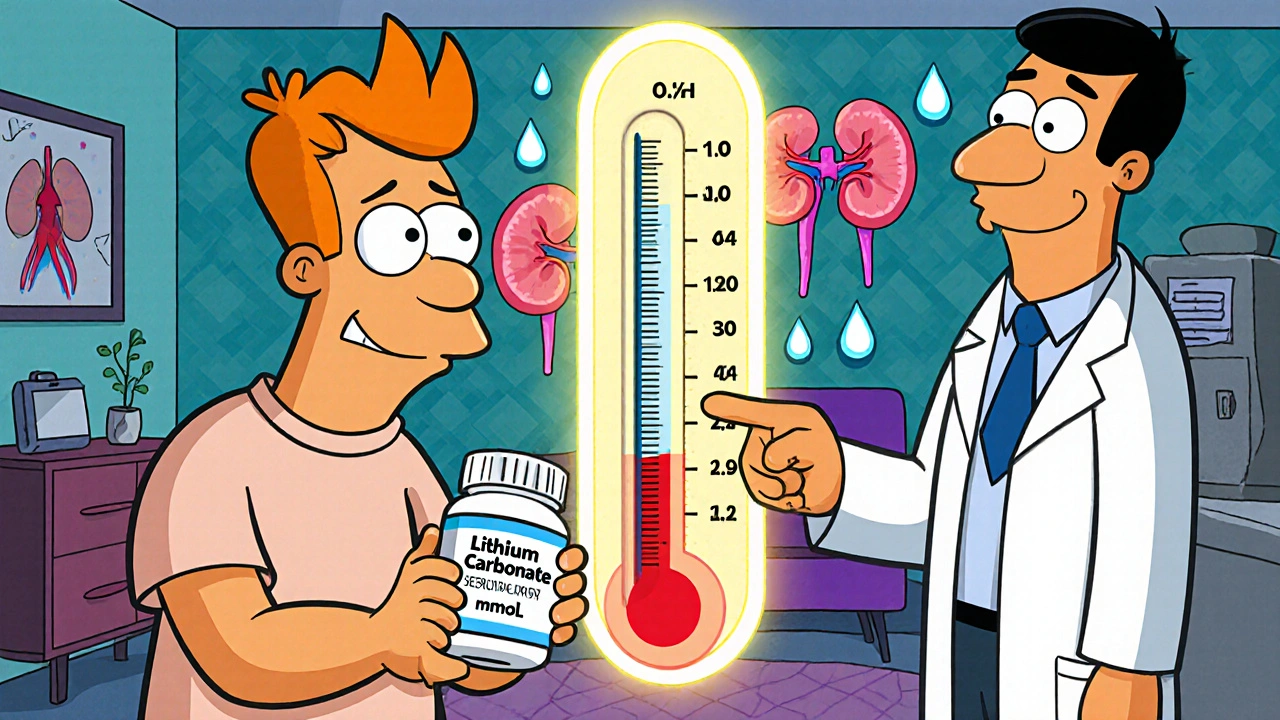
Lithium carbonate generics require careful serum level monitoring due to their narrow therapeutic index. Switching brands can change your blood levels-here's what you need to know about dosing, timing, and safety.