Narrow Therapeutic Index: What It Means and Why It Matters for Your Medications
When a drug has a narrow therapeutic index, a small difference between the dose that works and the dose that causes harm. Also known as a narrow therapeutic range, it means your body can’t tolerate much variation—too little and it doesn’t work, too much and you risk serious side effects or even toxicity. This isn’t just a technical term—it’s a life-or-death detail for people taking drugs like warfarin, lithium, or phenytoin. These aren’t your typical painkillers or allergy meds. They’re powerful, precise tools that need close watching.
Drugs with a narrow therapeutic index don’t play nice with other substances. A change in your liver function, a new antibiotic, or even eating grapefruit can throw off the balance. That’s why drug monitoring, regular blood tests to measure how much of the drug is in your system is often required. It’s not about being overly cautious—it’s about making sure the dose stays in the safe zone. And it’s not just the dose that matters. medication interactions, when one drug changes how another is processed by the body can turn a safe regimen into a dangerous one. That’s why you’ll see posts here about omeprazole blocking clopidogrel, simvastatin reacting with grapefruit, or nitrofurantoin triggering anemia in people with G6PD deficiency. These aren’t random examples—they’re real-world cases of what happens when the therapeutic window gets squeezed.
If you’re on one of these meds, you’re not alone. Millions take drugs with a narrow therapeutic index every day. But many don’t realize how fragile the balance is. That’s why knowing your exact dose, understanding why your doctor orders blood tests, and speaking up when you start a new supplement or feel off isn’t just smart—it’s essential. The posts below cover exactly that: how to avoid dangerous interactions, how to recognize early signs of toxicity, and how to work with your pharmacy and provider to stay safe. You’ll find guides on switching antidepressants, reading prescription labels clearly, and handling formulary changes—all tied together by one truth: when the margin for error is thin, knowledge is your best protection.
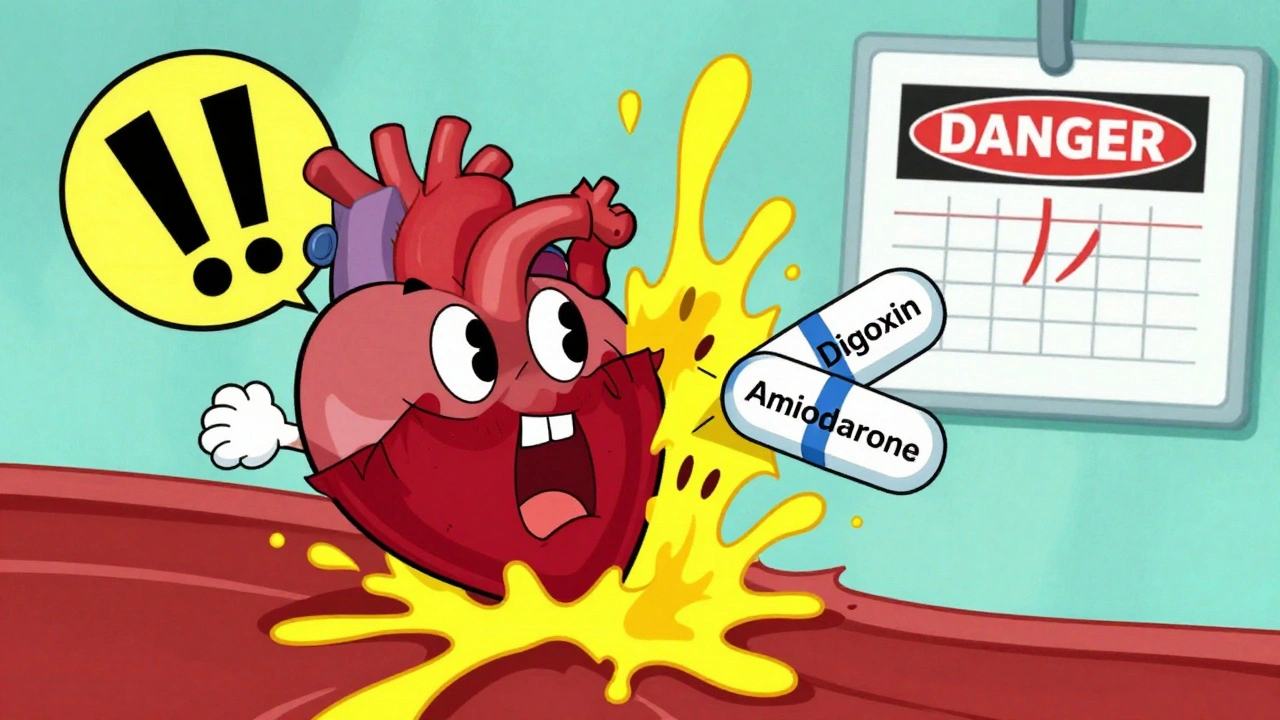
Digoxin and amiodarone together can cause life-threatening toxicity. Learn the exact steps to prevent digoxin overdose, including dose reduction, timing of blood tests, and safer alternatives.
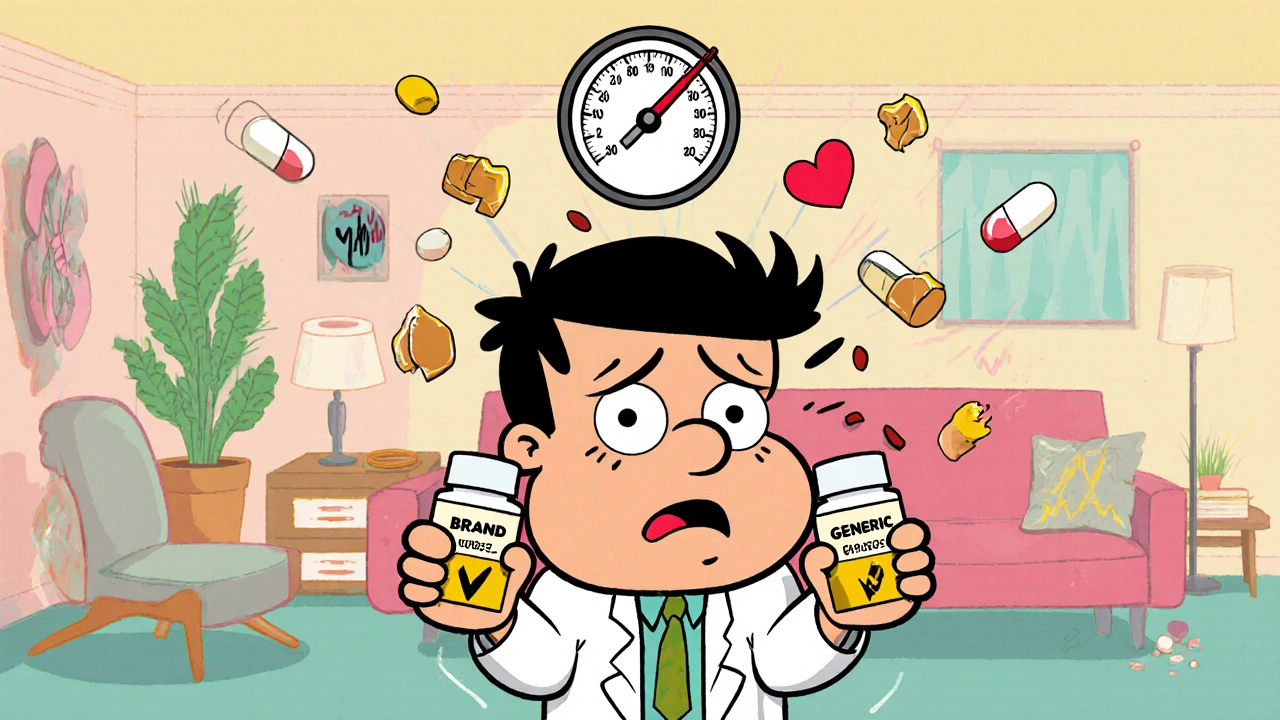
Generic drugs are supposed to be safe and effective alternatives to brand-name medications-but when they fail, the results can be dangerous. Learn why some generics don't work as expected and what you can do to protect yourself.