Compounding Pharmacies: Custom Medications, Safety, and What You Need to Know
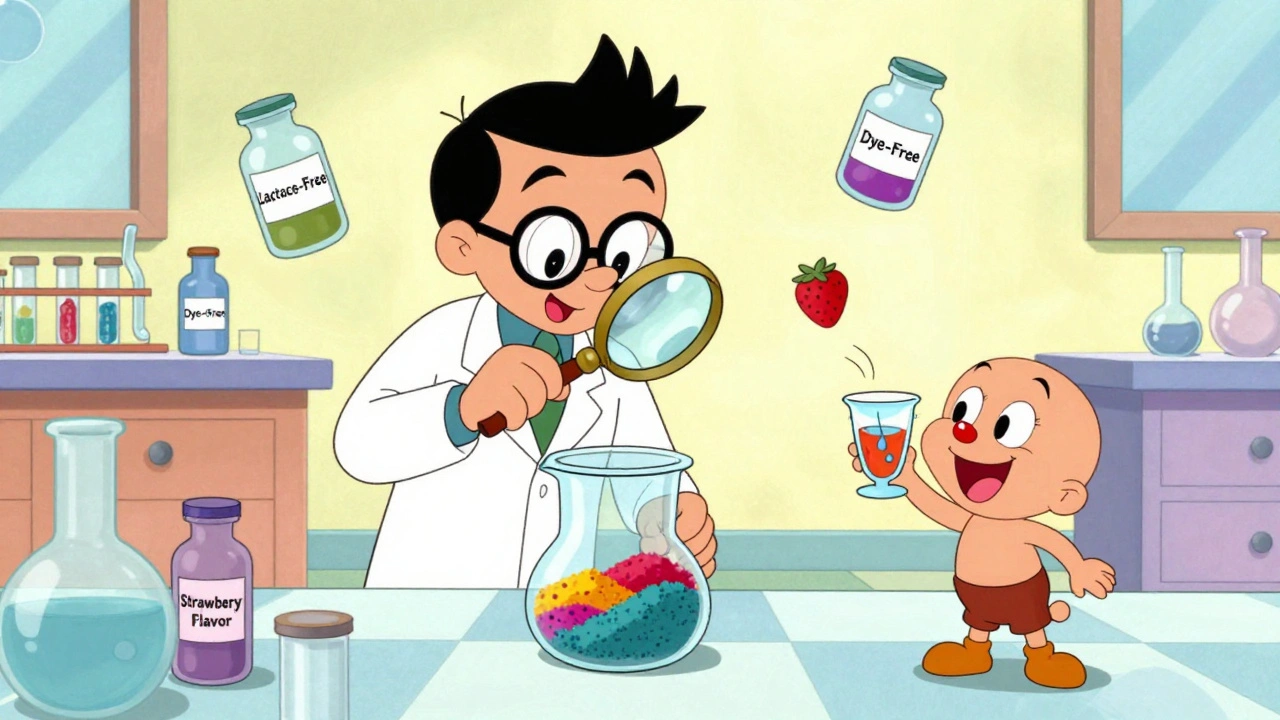
When standard medications don’t fit your needs, compounding pharmacies, specialized pharmacies that mix custom drug formulations from scratch. Also known as custom pharmacies, they prepare medicines that aren’t available through regular drug manufacturers—like dye-free pills, liquid versions for kids, or dosages that match your exact needs. These aren’t just fancy pharmacies—they’re a lifeline for people with allergies, swallowing problems, or rare conditions where mass-produced drugs just won’t do.
Not all compounding is the same. sterile compounding, the process of mixing medications in a cleanroom to prevent contamination, often used for injections, IVs, or eye drops. This requires strict controls—think hospital-level hygiene. On the other hand, non-sterile compounding, mixing oral liquids, creams, or capsules without needing a sterile environment. It’s more common and used for things like flavoring bitter pills or removing allergens like gluten or lactose. Both types are regulated, but sterile work has tighter rules because one mistake can lead to infection or worse.
Why do people turn to these pharmacies? Maybe your child can’t swallow a tablet. Maybe you’re allergic to the dye in your blood pressure pill. Or maybe your doctor needs a specific dose that no company makes—like 15 mg of a drug that only comes in 10 mg or 20 mg. That’s where compounding shines. But it’s not risk-free. Some bad actors cut corners. There have been outbreaks linked to contaminated compounded drugs—like the 2012 fungal meningitis case tied to unsafe sterile practices. That’s why it matters where you get your meds. Always ask if the pharmacy is accredited by the PCAB or licensed by your state board. Look for clean facilities, clear labeling, and pharmacists who explain what’s in your prescription.
Compounding pharmacies also step in when brand-name drugs disappear or get too expensive. If a drug’s made obsolete or pulled from the market, a compounding pharmacy might be the only way to get it. And for people on multiple meds, they can combine several into one pill or cream to simplify routines. But here’s the catch: compounded drugs aren’t FDA-approved like mass-produced ones. That means no guarantee of strength, purity, or effectiveness. You’re trusting the pharmacist’s skill and the pharmacy’s standards. That’s why you need to ask questions—what’s the source of the ingredients? Do they test batches? Are they following USP guidelines?
Behind the scenes, these pharmacies work with doctors who write special prescriptions. They’re not a substitute for FDA-approved drugs—they’re a tailored solution when those drugs fall short. And they’re growing in demand. More people are seeking alternatives to big pharma’s one-size-fits-all approach. But with that growth comes responsibility. You need to know what you’re getting, who’s making it, and how to spot red flags.
Below, you’ll find real stories and practical guides on how compounded meds affect safety, cost, and daily life—from avoiding dangerous interactions to understanding why some generics fail where compounding succeeds. Whether you’re a patient, caregiver, or just curious, these posts give you the facts you need to make smart choices.