Generic Medications: What They Are, Why They Matter, and When They Fail
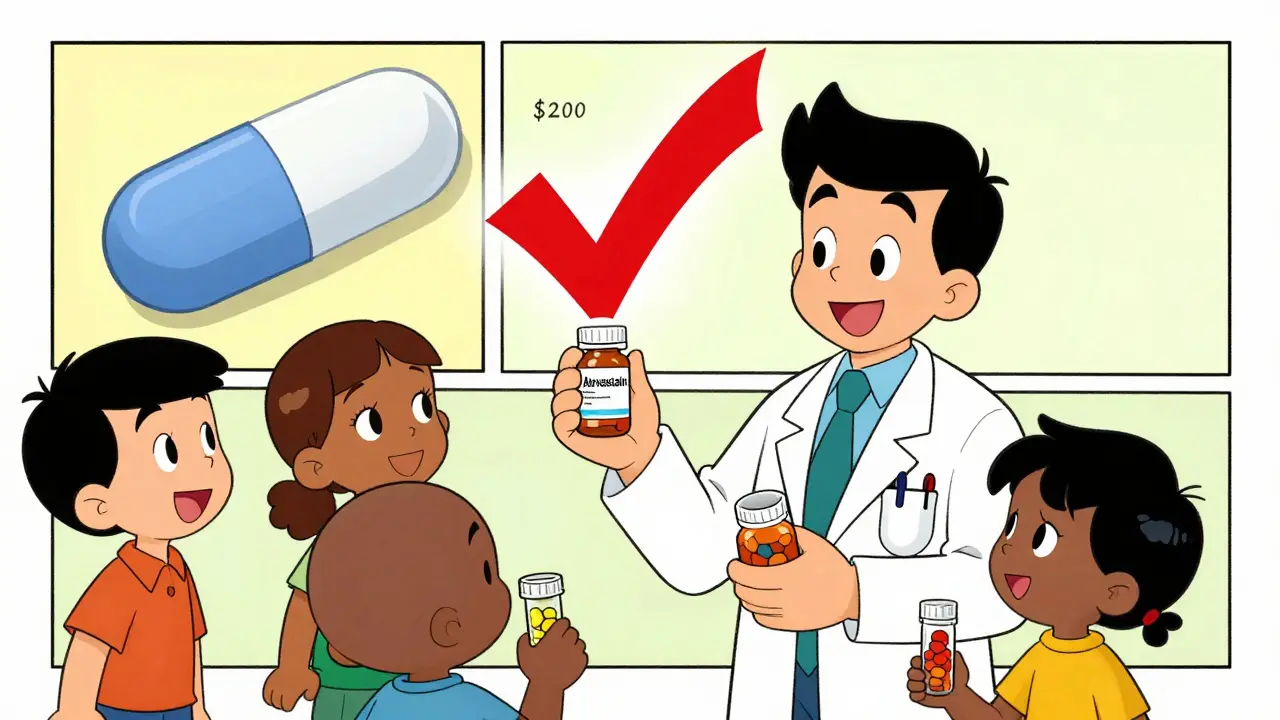
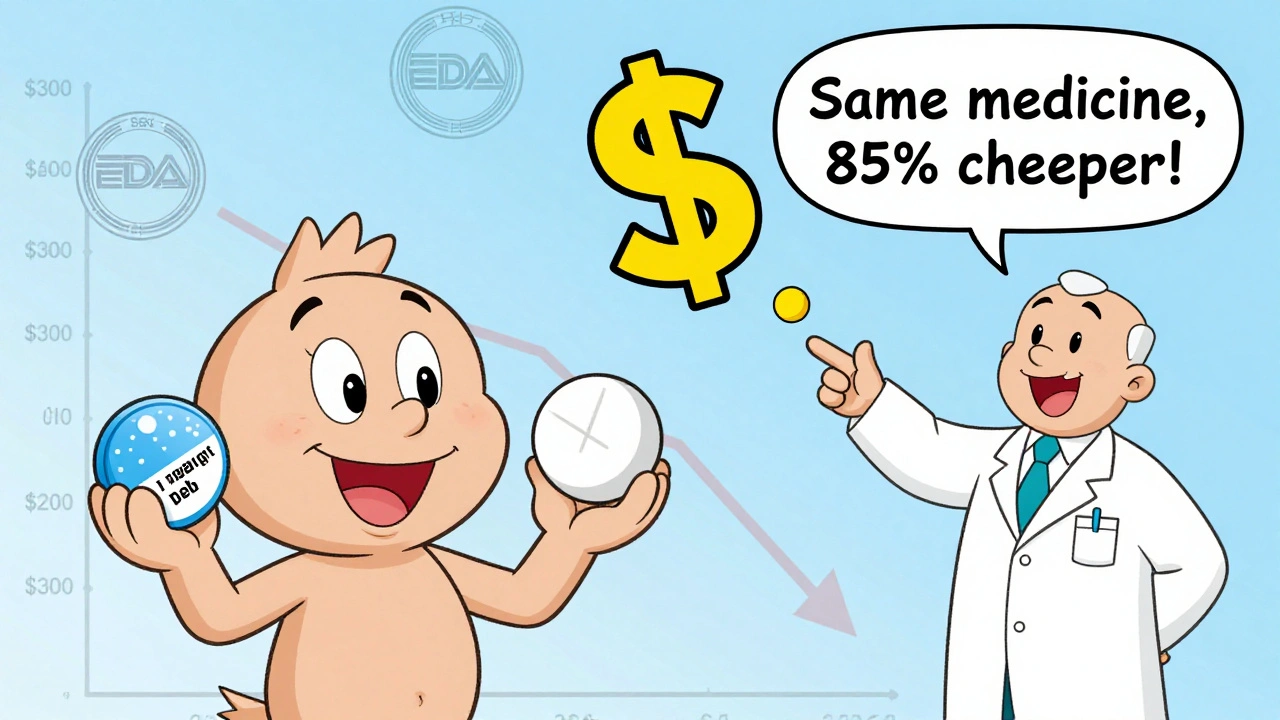
When you pick up a prescription, you might see a generic medication, a chemically identical version of a brand-name drug sold at a lower price after the patent expires. Also known as non-brand drugs, these are the backbone of affordable healthcare in the U.S. and beyond. But here’s the thing: just because two pills have the same active ingredient doesn’t mean they’ll work the same way in your body. The FDA says generics must be bioequivalent to the brand name—meaning they deliver the same amount of drug into your bloodstream at the same rate. Sounds simple, right? But real life isn’t that clean.
Some generic drug defects, manufacturing flaws like inconsistent dosing, contamination, or tablet capping slip through the cracks. A pill might break apart too fast, or not dissolve properly. For drugs with a narrow therapeutic index, medications where even small changes in blood levels can cause harm or failure—like lithium, warfarin, or thyroid meds—these tiny differences matter. One batch might keep your seizures under control. The next could trigger a hospital visit. That’s why people on generic medications for bipolar disorder or heart conditions often stick to the same brand, even if it costs more.
And it’s not just about quality. Sometimes, the problem is the system. A few companies control most generic production, and when competition drops, prices rise instead of fall. Governments try to keep costs down by encouraging multiple manufacturers, but patent tricks and slow approvals can block new players. Meanwhile, patients are left guessing: Is this generic working? Or is it just cheaper? That’s why so many posts here dive into therapeutic failure, when a generic doesn’t produce the expected clinical result, and how to spot the signs before it’s too late.
You’ll find real stories here—not theory. People who switched to a cheaper version of their epilepsy drug and started having seizures. Others who lost weight after a new generic antidepressant hit the shelf. And those who saved hundreds a month on blood pressure meds… until their doctor noticed their numbers were drifting. This collection doesn’t just tell you generics are good or bad. It shows you how to navigate the gray areas: when to ask for the brand, how to track your response, what to say to your pharmacist, and how to use the FDA’s own database to check if your drug has had recalls or quality issues. You’re not just buying a pill. You’re managing your health with limited information. Let’s make sure you have the right tools to do it right.