How to Build a Safe Home OTC Medicine Cabinet for Families
Learn how to build a safe OTC medicine cabinet for your family to prevent accidental poisonings, teen misuse, and expired drug risks. Simple steps for storage, organization, and disposal.
When you find that bottle of pills from last year’s flu, or that leftover antibiotic from a past infection, you might wonder: expired medication disposal, the safe and legal process of getting rid of unused or out-of-date drugs. Also known as pharmaceutical waste management, it’s not just about cleaning out your medicine cabinet — it’s about preventing accidental poisonings, drug abuse, and environmental harm. Flushing pills down the toilet or tossing them in the trash might seem easy, but those methods can contaminate water supplies, attract curious kids or pets, and even feed illegal drug markets.
Take-back programs, official drug collection events or drop-off locations run by pharmacies, hospitals, or law enforcement, are the safest way to dispose of most medications. The DEA and FDA back these programs because they ensure drugs are incinerated properly — no leaching into soil or water. Many pharmacies like CVS, Walgreens, and local police stations host year-round drop boxes. If you’re unsure where to go, check your city’s website or call your pharmacist. For certain drugs — like powerful opioids or fentanyl patches — the FDA recommends flushing only if no take-back option is nearby, because the risk of misuse outweighs environmental concerns.
Medication safety, the practice of handling, storing, and disposing of drugs to avoid harm starts long before disposal. Keep meds in their original bottles with labels intact. Remove personal info before throwing them away. Never mix different pills in one container — it’s confusing and dangerous. And if you’re unsure whether a drug is still good, don’t guess. Check the expiration date, ask your pharmacist, or use the FDA’s drug label database to confirm its status. Many people don’t realize that even if a pill looks fine, its potency drops over time — especially liquids, creams, and insulin.
Some people try to neutralize old meds by mixing them with coffee grounds, cat litter, or vinegar before tossing them. While this isn’t ideal, it’s better than leaving them exposed. The goal is to make the contents unappealing and unusable. But again, take-back is always the top choice. It’s free, legal, and protects everyone — from your neighbor’s child to the fish in your local river.
What you’ll find below are real, practical guides that tie directly into this issue. You’ll learn how drug interactions can turn old meds into hidden dangers, how insurance formulary changes might leave you with unused prescriptions, and how government policies shape what happens to expired drugs after they leave your home. Whether you’re a senior cleaning out cabinets, a parent worried about kids finding pills, or someone managing chronic meds, these posts give you the facts — no fluff, no guesswork.
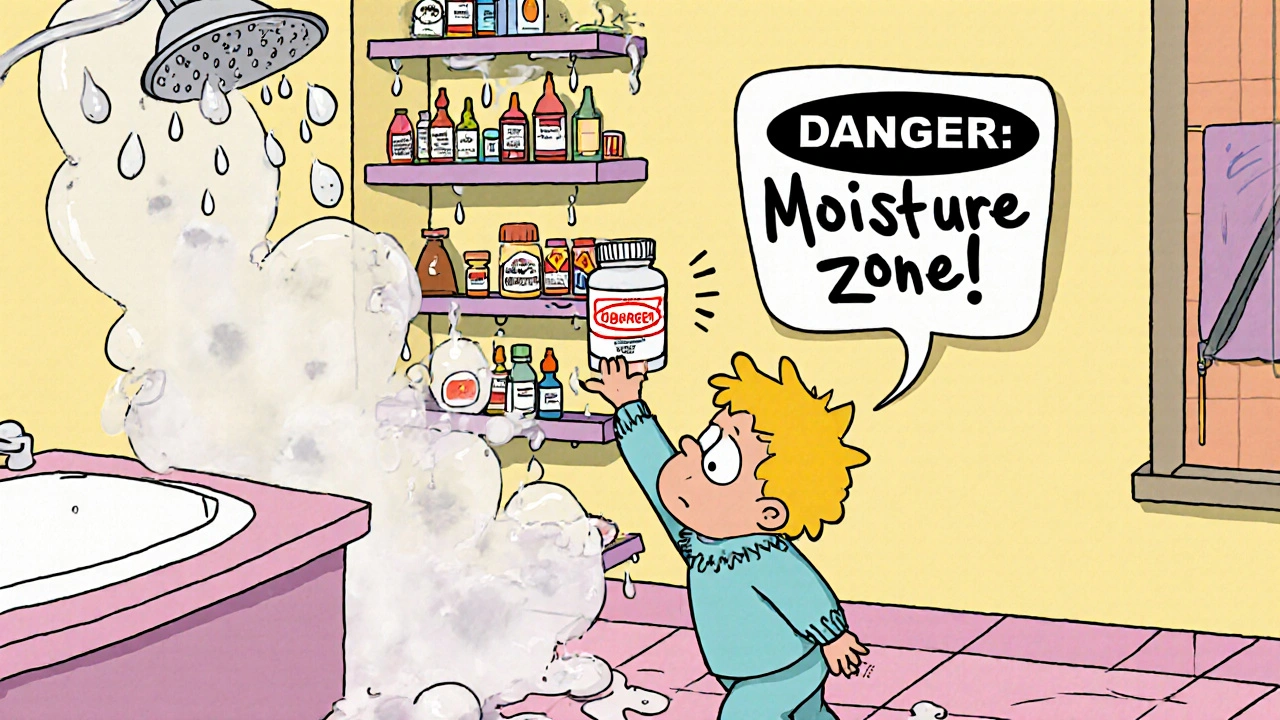
Learn how to build a safe OTC medicine cabinet for your family to prevent accidental poisonings, teen misuse, and expired drug risks. Simple steps for storage, organization, and disposal.