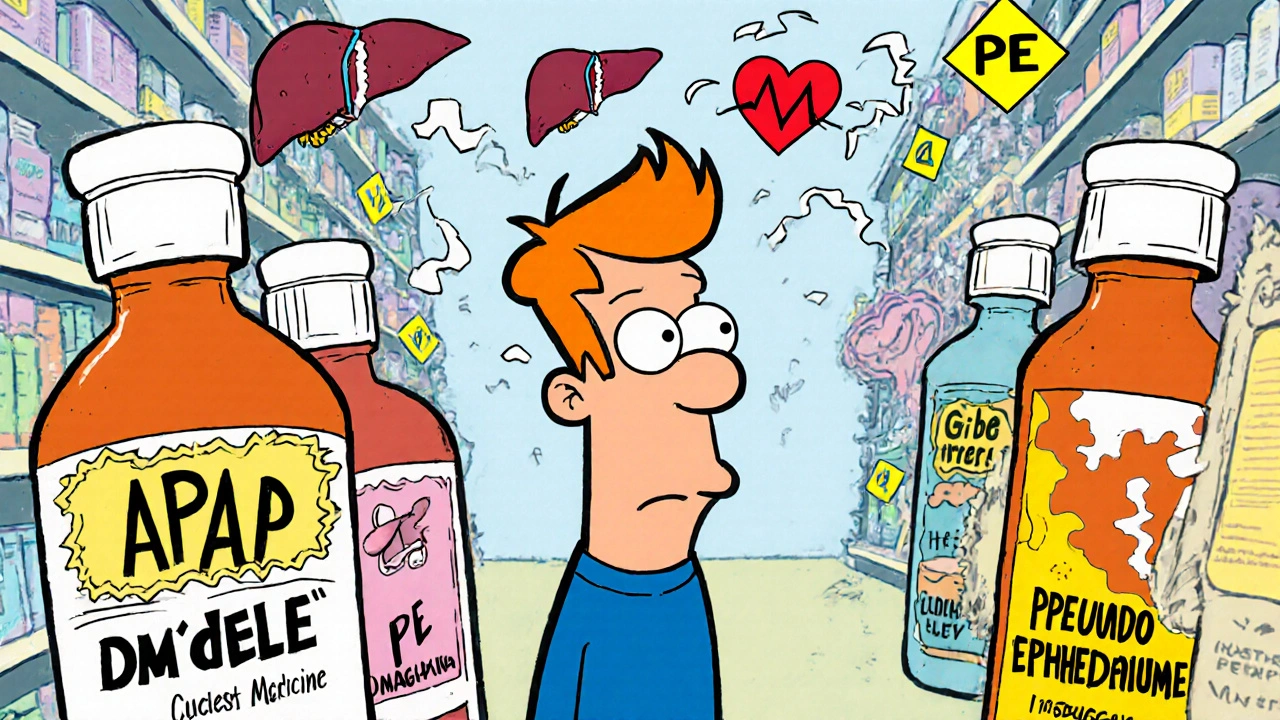
Decongestant Risks: What You Need to Know Before Using Them
When your nose is clogged, a decongestant seems like a quick fix—but decongestants, oral or nasal sprays that shrink swollen blood vessels in the nose to relieve congestion. Also known as nasal decongestants, they’re one of the most common OTC remedies, but they’re not harmless. Many people don’t realize that using them for more than three days can trigger rebound congestion, a condition where the nose becomes more swollen after the drug wears off, creating a cycle of dependency. It’s not just about discomfort—it’s about your body fighting back against the very thing you thought was helping.
And if you have high blood pressure, a condition where the force of blood against artery walls is too high, often without symptoms. Also known as hypertension, it affects nearly half of U.S. adults, decongestants like pseudoephedrine or phenylephrine can be dangerous. These drugs don’t just target your nose—they tighten blood vessels everywhere, including in your heart and brain. That spike in pressure can raise your risk of stroke, heart attack, or irregular heartbeat, especially if you’re already on blood pressure meds. Even if your blood pressure is controlled, a single dose can push it out of range. The FDA has flagged this for years, yet most labels still don’t scream the warning loud enough.
There’s also the issue of hidden ingredients. Many cold and flu combos include decongestants alongside pain relievers or antihistamines. You might think you’re just taking a cold tablet, but you’re getting a stimulant you didn’t ask for. People with anxiety, glaucoma, or an enlarged prostate are at higher risk too. And while some think nasal sprays are safer because they’re topical, they’re actually more likely to cause rebound congestion—and they can damage the lining of your nose over time. The truth? Decongestants are a short-term tool, not a long-term solution.
What you’ll find below isn’t just a list of articles—it’s a practical guide to understanding what’s really in those bottles, how to spot the hidden dangers, and what alternatives actually work. From how to read drug labels to knowing when to skip decongestants entirely, these posts give you the facts without the marketing fluff. You don’t need to guess anymore. You just need to know what to look for.
Combination cold and allergy meds are convenient but risky. Learn how acetaminophen, decongestants, and cough suppressants can interact dangerously - and how to choose safer options without overdosing.