
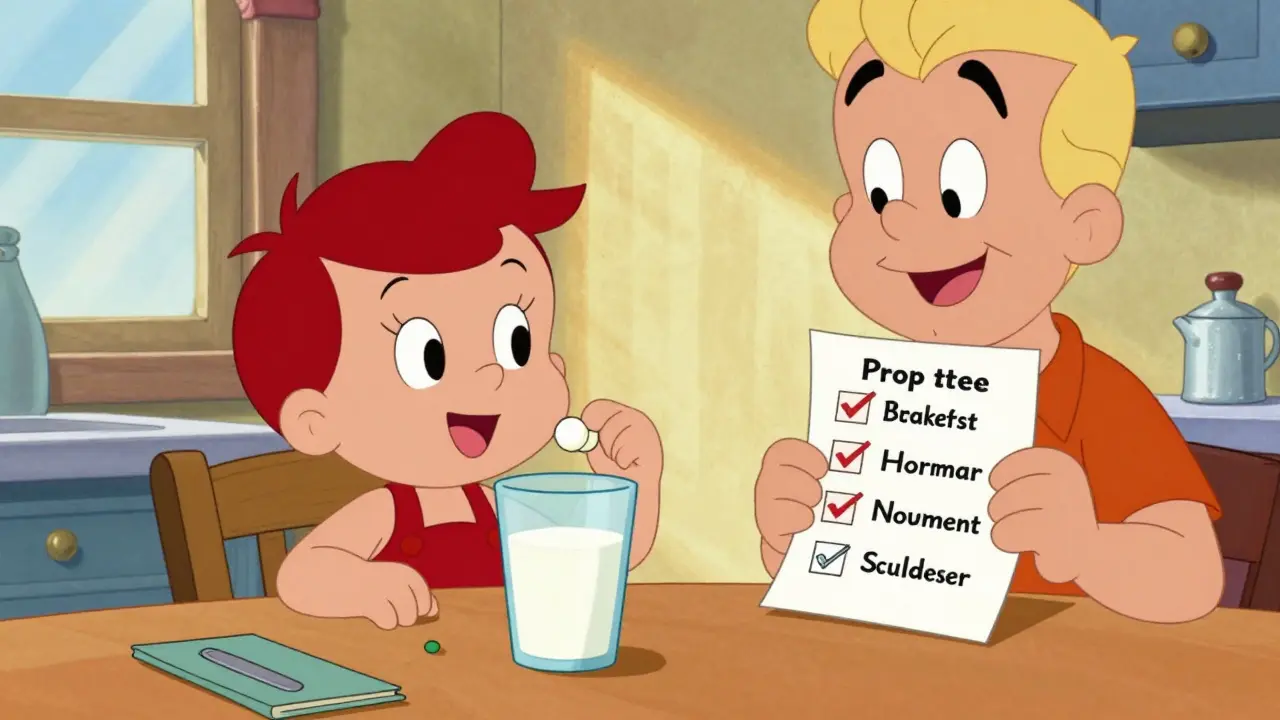
When you or your child is diagnosed with ADHD, the first question isn’t just what to do-it’s where to start. The options can feel overwhelming: pills that work fast but come with side effects, pills that take weeks to kick in but feel gentler, and a whole set of behavioral strategies that require time, patience, and consistency. There’s no one-size-fits-all answer. But there is a clear path forward if you understand how each piece fits together.
Stimulants: The Fastest, Most Effective Tool
Stimulants are still the most widely used and best-studied treatment for ADHD. About 70 to 80% of people-kids and adults-see real improvement in focus, impulsivity, and hyperactivity when they start taking them. These medications don’t make you hyper. They help your brain get the right amount of dopamine and norepinephrine where it’s needed most: in the prefrontal cortex, the area responsible for planning, focus, and self-control.
The two main types are methylphenidate and amphetamine derivatives. Methylphenidate includes brands like Ritalin, Concerta, and Focalin. Amphetamines include Adderall, Vyvanse, and Dexedrine. Both classes work similarly, but they’re not the same. Some people respond better to one than the other. If one doesn’t work, switching to the other class often does.
Extended-release versions are now the standard. A single dose of Concerta or Vyvanse lasts 10 to 12 hours, which means fewer doses during the school day and less chance of forgetting. Immediate-release versions, like plain Ritalin, wear off in 3 to 4 hours. That means multiple doses, which can be hard to manage-especially for teens and working adults.
Side effects are common, but not everyone gets them. Appetite loss hits 50 to 60% of kids on stimulants. Sleep trouble? That’s 30 to 50%. Headaches and stomachaches are also frequent. The good news? Most side effects lessen over time or can be managed. For appetite issues, eating a high-protein breakfast before the medication kicks in helps. For sleep, moving the last dose to earlier in the day-6 to 8 hours before bedtime-cuts problems by 65%.
There’s also a myth that stimulants stunt growth. Studies show a small, temporary dip in height and weight gain during the first year, but most kids catch up by age 14 to 16. Doctors still recommend checking height and weight every six months just to be safe.
Non-Stimulants: Slower, But Safer for Some
Not everyone can-or wants to-take stimulants. Maybe there’s a history of substance use. Maybe anxiety or tics make stimulants feel too intense. Maybe the side effects are just too much. That’s where non-stimulants come in.
Atomoxetine (Strattera) is the first non-stimulant approved for ADHD. It works by increasing norepinephrine levels, similar to how some antidepressants work. It doesn’t have the same immediate punch as stimulants. It takes 4 to 6 weeks to reach full effect. But it doesn’t cause the same crash or rebound effect, and it has no abuse potential.
Then there are the alpha-2 agonists: guanfacine (Intuniv) and clonidine (Kapvay). Originally developed for high blood pressure, these drugs calm the nervous system. They’re especially helpful for people who struggle with emotional outbursts, aggression, or sleep problems. They can even reduce tics in kids with both ADHD and Tourette’s.
Non-stimulants are less effective overall-about 50 to 60% respond well-but they’re safer for people with heart conditions or a history of addiction. They don’t raise blood pressure or heart rate like stimulants do. In fact, they can lower them. That’s why they’re often used when stimulants aren’t an option.
Cost is another factor. Generic methylphenidate can cost as little as $15 to $25 a month. Brand-name extended-release stimulants? $250 to $400 without insurance. Strattera and Intuniv are pricier, but many insurers cover them after you try a generic stimulant first. Step therapy is common in the U.S.-you have to try the cheaper option before they’ll pay for the more expensive one.
Behavioral Strategies: The Long-Term Foundation
Medication helps with symptoms. Behavioral strategies help with life. They don’t change your brain chemistry, but they teach you how to work with it.
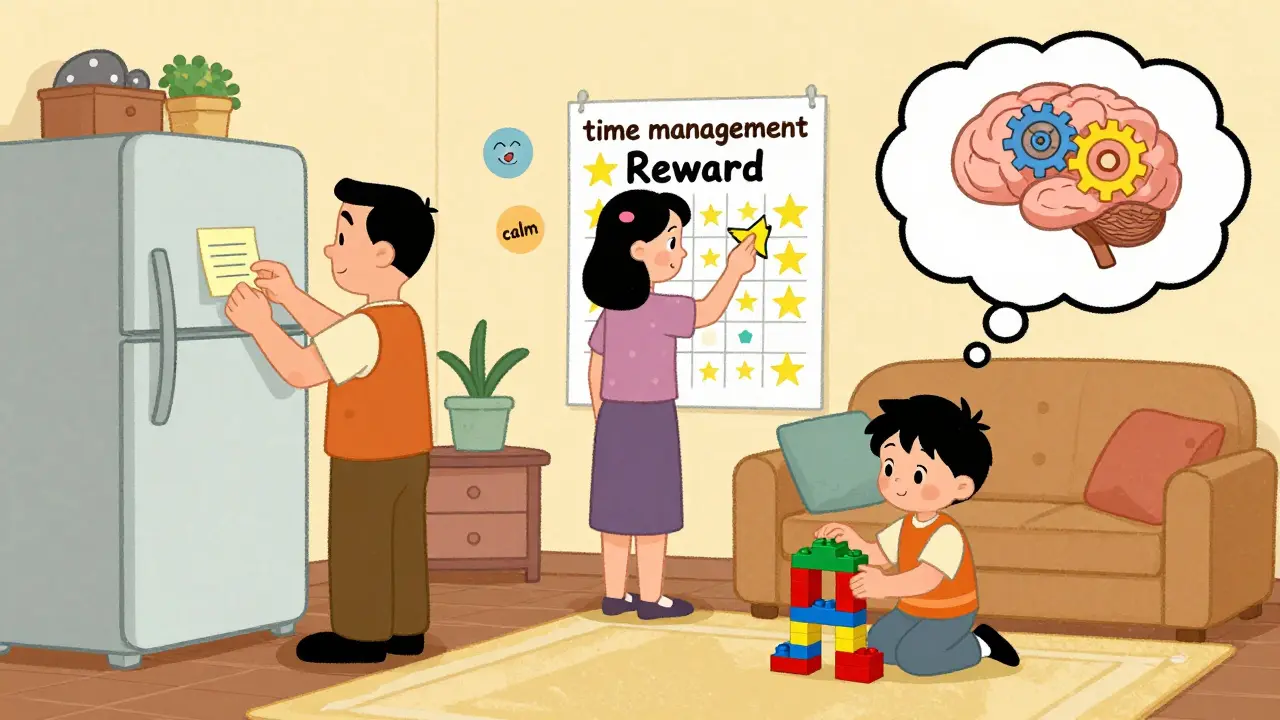
For kids, parent training is the gold standard. Programs like the New Forest Parenting Programme require 12 to 16 weekly sessions, each 90 minutes long. Parents learn how to give clear, simple instructions, use consistent rewards and consequences, and avoid power struggles. Studies show this cuts ADHD symptoms by 40 to 50%-not as fast as medication, but the changes stick.
Schools matter too. A 504 Plan or IEP can give kids extra time on tests, preferential seating, breaks during class, and help with organization. Teachers who understand ADHD don’t see a “bad kid.” They see a brain that needs structure, not punishment.
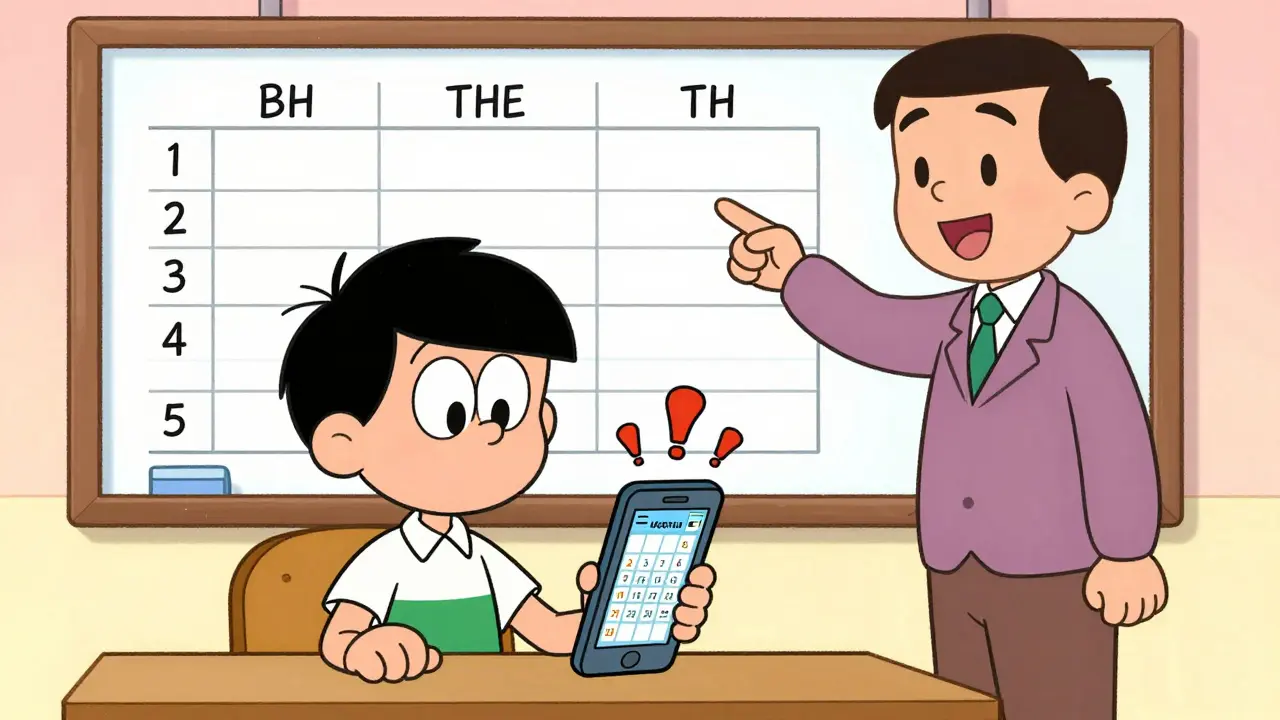
For teens and adults, organizational tools are key. Digital calendars with alerts, task lists broken into tiny steps, and external reminders (phone alarms, sticky notes) compensate for internal forgetfulness. Therapy focused on ADHD-like cognitive behavioral therapy (CBT)-helps people manage procrastination, emotional regulation, and self-criticism. One 2022 study found CBT improved daily functioning in adults with ADHD as much as medication did.
And it’s not just about fixing problems. It’s about building strengths. People with ADHD often have creativity, energy, and resilience. Behavioral strategies help them channel those traits instead of fighting against them.
Combining Everything: Why It Works Better
The biggest myth about ADHD treatment is that you have to choose between meds and therapy. You don’t. The landmark MTA study from 1999-and its 20-year follow-up in 2022-showed that combining medication with behavioral strategies works better than either alone.
Medication gives you the mental clarity to learn and use new skills. Behavioral strategies give you the tools to keep those skills going when the medication wears off. For kids, this means better grades, fewer fights at home, and more friends. For adults, it means holding down a job, managing bills, and not feeling like you’re always behind.
And here’s something most people don’t realize: the longer you stay on a combination plan, the more likely you are to reduce your medication dose over time. That’s not because the ADHD went away. It’s because you’ve built systems that make life easier without needing constant chemical help.
Real-World Challenges: Side Effects, Gender Differences, and Access
Not everyone has the same experience. Research shows women and girls with ADHD report more side effects from stimulants than men and boys. One study in Qatar found females experienced side effects 1.4 times more often. Why? It might be body weight, hormone differences, or simply that women are more likely to notice and report subtle changes in mood or appetite.
Rebound effects-irritability, crying, or rage as the medication wears off-are common in kids. If your child starts crying at 4 p.m. every day, it’s probably not just being “difficult.” It’s the drug leaving their system. Adjusting the timing or adding a small afternoon dose can help.
Access is another barrier. In the U.S., 78% of insurance plans make you try generic methylphenidate before covering Vyvanse or Adderall. In Australia, Medicare covers some stimulants, but not all. In Japan, stimulants are only approved for kids over six with severe symptoms. Cost, stigma, and lack of specialists mean many people go untreated-or try to self-manage with caffeine, supplements, or YouTube hacks.
What’s New in 2026?
Things are moving fast. In 2023, the FDA approved AZSTARYS, a new combo drug that releases two forms of methylphenidate-one fast, one slow-to give steady focus all day without the peaks and crashes. It’s designed to be harder to misuse.
Genetic testing is also becoming more common. Tests like Genomind’s PGx Express can tell you if your body metabolizes stimulants quickly or slowly based on your CYP2D6 and CYP2C19 genes. If you’re a fast metabolizer, standard doses won’t work. If you’re slow, you might get too many side effects. This isn’t routine yet-but it’s coming.
And digital tools are stepping in. EndeavorRx, an FDA-cleared video game for kids aged 8 to 12, has been shown to improve attention after 4 weeks of daily play. VR-based training programs are now in phase 3 trials. These won’t replace meds or therapy, but they’re becoming part of the toolkit.
What to Do Next
If you’re starting out:
- Get a full evaluation from a psychiatrist or developmental pediatrician. ADHD looks like anxiety, depression, or even giftedness sometimes.
- Ask about stimulants first. They’re the most effective. But if you have heart issues, tics, or a history of substance use, talk about non-stimulants.
- Start low, go slow. A 5mg dose of methylphenidate or 2.5mg of amphetamine is a common starting point.
- Track side effects. Use a simple journal: appetite, sleep, mood, focus. Bring it to every appointment.
- Start behavioral strategies early-even if you’re on meds. Parent training, organizational tools, and school accommodations make a huge difference.
- Don’t give up if the first option doesn’t work. Try a different medication, a different dose, or add therapy.
ADHD isn’t a flaw. It’s a different way of thinking. Medication helps you get out of the fog. Behavioral strategies help you build a life that works with your brain-not against it. The goal isn’t to be “normal.” It’s to be your best self-focused, calm, and in control.
Do stimulants make ADHD worse over time?
No. Long-term studies, including the 20-year follow-up of the MTA trial, show stimulants don’t worsen ADHD symptoms or lead to dependency when used as prescribed. Some people stop taking them during adolescence because they feel they no longer need them-or because side effects become hard to manage. But that’s not because the medication caused harm. It’s because their needs changed.
Can you outgrow ADHD and stop medication?
About 30% of children with ADHD see symptoms fade significantly by adulthood. But 70% continue to need some form of support. Even if symptoms lessen, many adults still benefit from occasional medication or behavioral tools to handle work stress, deadlines, or family responsibilities. Stopping medication doesn’t mean you’ve “cured” ADHD-it just means you’ve learned to manage it differently.
Are non-stimulants as effective as stimulants?
Not for everyone. Stimulants work for 70 to 80% of people. Non-stimulants help about 50 to 60%. But effectiveness isn’t just about numbers. For someone with anxiety, tics, or a history of drug use, a non-stimulant might be far more effective because it doesn’t trigger other problems. It’s not about which is stronger-it’s about which is right for you.
What if my child hates taking pills?
There are alternatives. Vyvanse comes in a capsule you can open and mix with applesauce. Intuniv and Kapvay are available as tablets that dissolve under the tongue. Some people use liquid methylphenidate. And behavioral strategies-like visual schedules, reward charts, and consistent routines-can reduce reliance on medication over time. Work with your doctor to find options that fit your child’s needs and comfort level.
How do I know if it’s working?
Look for changes in daily life, not just test scores. Is your child completing homework without constant reminders? Are they making friends instead of pushing people away? Are you getting through dinner without yelling? Are you showing up on time and finishing tasks at work? These are the real signs of improvement. Medication isn’t magic-it’s a tool that makes it easier to use the skills you’re learning.
Final Thoughts
ADHD treatment isn’t a race. It’s a process of trial, observation, and adjustment. What works for one person might not work for another. The goal isn’t to eliminate ADHD-it’s to give you the tools to live well with it. Whether that’s through a morning pill, a weekly therapy session, a phone reminder, or a quiet space to focus, the right mix exists. You just have to keep looking until you find it.


Doreen Pachificus
January 3, 2026I've been on Vyvanse for three years now. The first month was rough with appetite loss, but eating protein shakes before bed saved me. Now I barely notice it. Honestly, the biggest change was finally being able to finish a book without rereading the same page five times.
Stephen Craig
January 4, 2026Stimulants aren't magic. They're a bridge. The real work is building systems that outlast the pill.
Rory Corrigan
January 4, 2026I used to think ADHD was just bad time management... until I tried CBT. Now I get it. It's not laziness. It's a wiring thing. 🤯
Connor Hale
January 5, 2026The MTA study's 20-year follow-up is the most important thing here. Long-term data beats anecdotal hype every time. We need more of this kind of research.
Charlotte N
January 6, 2026I started with Ritalin... then switched to Concerta... then added behavioral coaching... now I'm on Strattera with a daily planner... and honestly? I'm not sure what's helping most anymore but I'm finally sleeping through the night so I'm not complaining
Vicki Yuan
January 6, 2026The 70-80% efficacy rate for stimulants is well-documented, but the real gap is in long-term adherence. Many patients discontinue due to side effects or stigma, not lack of effectiveness. We need better patient education.
Ethan Purser
January 7, 2026So let me get this straight... we're medicating kids to make them sit still in a system designed for neurotypical brains? And we call that progress? We're not treating ADHD. We're punishing difference.
Michael Rudge
January 9, 2026Oh wow, another article telling parents to just "try meds" like we're all just lazy and need a quick fix. Meanwhile, the pharmaceutical industry made $12 billion off ADHD drugs last year. Coincidence? I think not.
Roshan Aryal
January 9, 2026In India, we don't have access to Vyvanse or AZSTARYS. We use generic methylphenidate and pray it works. And yes, we're told to "just try harder" when it doesn't. This article reads like a luxury guide for rich Americans.
Jack Wernet
January 10, 2026As a father of a 9-year-old with ADHD, I want to thank you for mentioning parent training. My wife and I did the New Forest program. It didn't fix everything, but it changed how we see our son. He's not broken. He's just wired differently.
bob bob
January 10, 2026Y'all are overcomplicating this. My kid was struggling with homework, we got a 504 plan, started using Google Calendar alarms, and now he turns things in on time. No meds. Just structure. Simple.
Justin Lowans
January 12, 2026I appreciate the nuance here. Too often, ADHD is framed as a binary choice: pills or nothing. But the truth is, we need both. Medication gives you the mental bandwidth to learn coping skills. And those skills? They're the real gift. They last longer than any prescription.
Catherine HARDY
January 13, 2026Have you noticed how every ADHD article mentions "behavioral strategies" but never talks about how schools are still punishing kids for not sitting still? The system is designed to fail neurodivergent kids. They call it "accommodation" but it's really just damage control. And the FDA-approved video game? That's just a distraction tactic so they don't have to fix the real problem.
Angie Rehe
January 15, 2026The CYP2D6 polymorphism data is clinically actionable. If you're a poor metabolizer, standard stimulant dosing is pharmacologically dangerous. Yet, 87% of prescribers still use weight-based dosing protocols without pharmacogenetic screening. This is a systemic failure of precision medicine implementation.