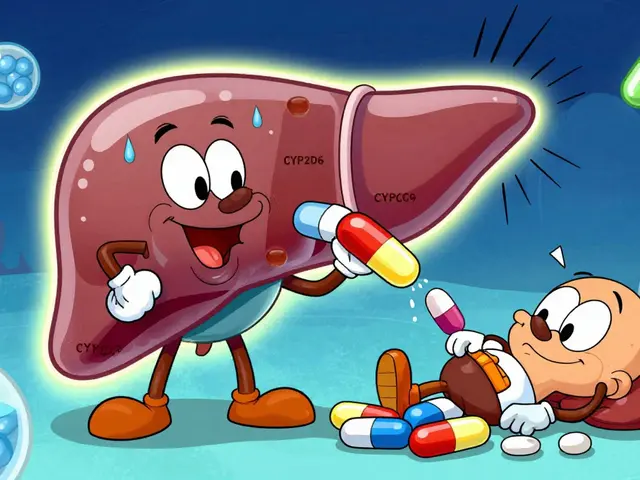
Imagine waking up to find your eyelids so puffy you can barely open them, or noticing that your socks are leaving deep, permanent indentations in your ankles. For many, these aren't just signs of a salty meal-they are the first red flags of Nephrotic Syndrome is a kidney disorder where the glomerular filtration barrier is damaged, causing the body to leak massive amounts of protein into the urine. . It isn't a single disease but a group of symptoms that signal your kidneys are struggling to keep essential proteins in your blood, leading to a cascade of fluid retention and metabolic imbalances.
What Actually Happens in the Kidneys?
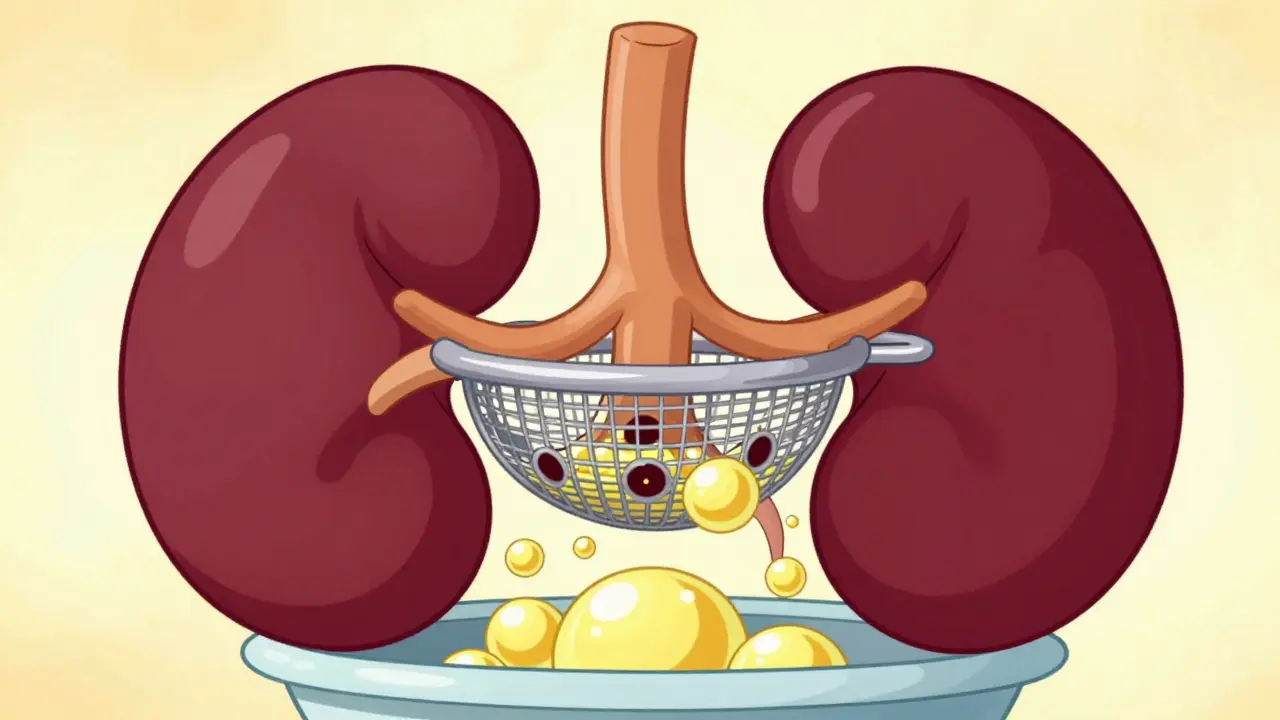
To understand this condition, you have to look at the kidney's filtering units. Normally, your kidneys act like a fine sieve. They let waste and water pass through into the urine while keeping large, vital proteins like albumin in the bloodstream. In nephrotic syndrome, this "sieve"-specifically the podocytes and the slit diaphragm-gets damaged. When these structures break down, the kidneys leak protein, a state known as heavy proteinuria. .
Once the protein leaks out, a domino effect begins. Protein in the blood (specifically albumin) acts like a sponge, holding water inside your blood vessels. When albumin levels drop-a condition called hypoalbuminemia-water leaks out of the vessels and into the surrounding tissues. This is why people develop severe edema, or swelling, which often starts around the eyes (periorbital edema) and moves down to the legs and abdomen.
Spotting the Warning Signs
The symptoms aren't always obvious at first. Many people describe their urine as "foamy" or "sudsy," which is a classic sign of protein escaping into the urine. In children, parents often mistake the initial swelling for allergies. However, the weight gain associated with this condition is rapid-sometimes 5 to 15 pounds in a matter of days-because it's purely fluid, not fat.
Beyond the swelling, your body tries to compensate for the protein loss by producing more lipids, leading to hyperlipidemia (high cholesterol). This isn't just a side effect; it's part of the syndrome's metabolic response. If you notice a combination of bubbly urine, sudden swelling, and unexplained weight gain, it's time for a professional check-up.
| Feature | Nephrotic Syndrome | Nephritic Syndrome |
|---|---|---|
| Proteinuria | Massive (>3.5g/day) | Mild to Moderate |
| Primary Symptom | Severe Edema (Swelling) | Hematuria (Blood in urine) |
| Blood Pressure | Usually Normal/Variable | Often High (Hypertension) |
| Blood Albumin | Very Low | Normal or Slightly Low |
Why Did This Happen? (Causes by Age)
The cause of nephrotic syndrome varies wildly depending on how old you are. It's not a one-size-fits-all diagnosis.
- Children: The vast majority (about 85-90%) of kids have Minimal Change Disease, which is usually very responsive to medication.
- Adults: It's more complex here. Many adults deal with Focal Segmental Glomerulosclerosis (FSGS), where only some parts of the kidney filters are scarred. Others may have Membranous Nephropathy, involving a thickening of the filter walls.
- Secondary Causes: Sometimes the kidney damage is a side effect of another illness. Diabetes Mellitus is a leading cause in older adults, alongside Systemic Lupus Erythematosus (SLE) and certain viral infections like Hepatitis B.
Treatment Pathways and Management
The goal of treatment is simple: stop the protein leak and manage the swelling. This is usually done through a combination of medication and strict lifestyle changes.
Medications: Steroids like Prednisone are the gold standard for children with minimal change disease, often leading to remission within a month. For adults or those who don't respond to steroids, doctors might use calcineurin inhibitors or other immunosuppressants. To protect the kidneys and lower blood pressure, ACE inhibitors or ARBs are frequently prescribed, as they can reduce protein leakage by 30-50%.
Dietary Rules: Salt is the enemy here. Reducing sodium to less than 2,000 mg per day can dramatically cut down edema within just 72 hours. While you might think you need more protein to replace what you're losing, eating too much protein can actually stress the kidneys further. A moderate intake (0.8-1.0 g/kg per day) is typically recommended.
The Risks You Need to Know
Managing nephrotic syndrome isn't just about the kidneys; it's about the whole body. Two major risks stand out: infections and blood clots.
Because you're losing proteins that help fight infection (immunoglobulins) and because steroid treatments suppress your immune system, you are much more vulnerable to illness. This is why doctors check vaccination status carefully-live vaccines are usually a no-go during high-dose steroid therapy.
Even more dangerous is the risk of blood clots. When albumin drops too low (below 2.0 g/dL), your blood can become "thicker" and more prone to clotting. This can lead to renal vein thrombosis, where a clot blocks the vein leaving the kidney, requiring urgent medical intervention.

What the Future Holds
The outlook depends heavily on the type of syndrome you have. Children with minimal change disease have a fantastic 10-year kidney survival rate of about 95%. Those with FSGS or diabetes-related issues face a tougher road, but new precision medicines are helping. Recent trials of drugs like Sparsentan have shown significant reductions in proteinuria compared to older treatments, offering hope for those who didn't respond to traditional steroids.
How do doctors diagnose nephrotic syndrome?
Diagnosis starts with a 24-hour urine collection to measure exactly how much protein is being lost (typically over 3.5g in adults). Blood tests are used to check albumin and cholesterol levels. In many adult cases or steroid-resistant children, a kidney biopsy is performed to determine the exact type of glomerular damage.
Can this condition be cured?
It depends on the cause. Many children with minimal change disease achieve complete remission with steroids, though relapses are common. Chronic forms like FSGS or diabetic nephropathy are managed as lifelong conditions to prevent progression to end-stage kidney disease.
Why does my urine look foamy?
Foamy urine is caused by an excess of protein (albumin) in the urine. Protein changes the surface tension of the liquid, creating bubbles similar to how soap creates foam. This is one of the most common early signs of nephrotic syndrome.
What are the side effects of steroid treatment?
Steroids can cause several noticeable changes, including "moon face" (rounding of the facial features), increased appetite leading to weight gain, and behavioral changes or mood swings, especially in children.
Is a low-protein diet necessary?
Not necessarily "low," but "moderate." Instead of trying to eat massive amounts of protein to replace what you lose, doctors recommend a steady intake (around 0.8-1.0 g/kg) to avoid overworking the damaged filters of the kidneys.
Next Steps for Patients
If you are managing this condition, your primary goal is consistency. Keep a daily log of your weight; a sudden jump of 2-3 pounds in a day usually means fluid is building up, and you should notify your doctor immediately. Weekly urine dipstick tests can help you track whether you are in remission or heading toward a relapse.
For those on immunosuppressants, prioritize hygiene and avoid crowded areas during peak flu seasons. If you notice any new pain or swelling in one leg, seek immediate help, as this could be a sign of a blood clot (thrombosis) related to your low protein levels.