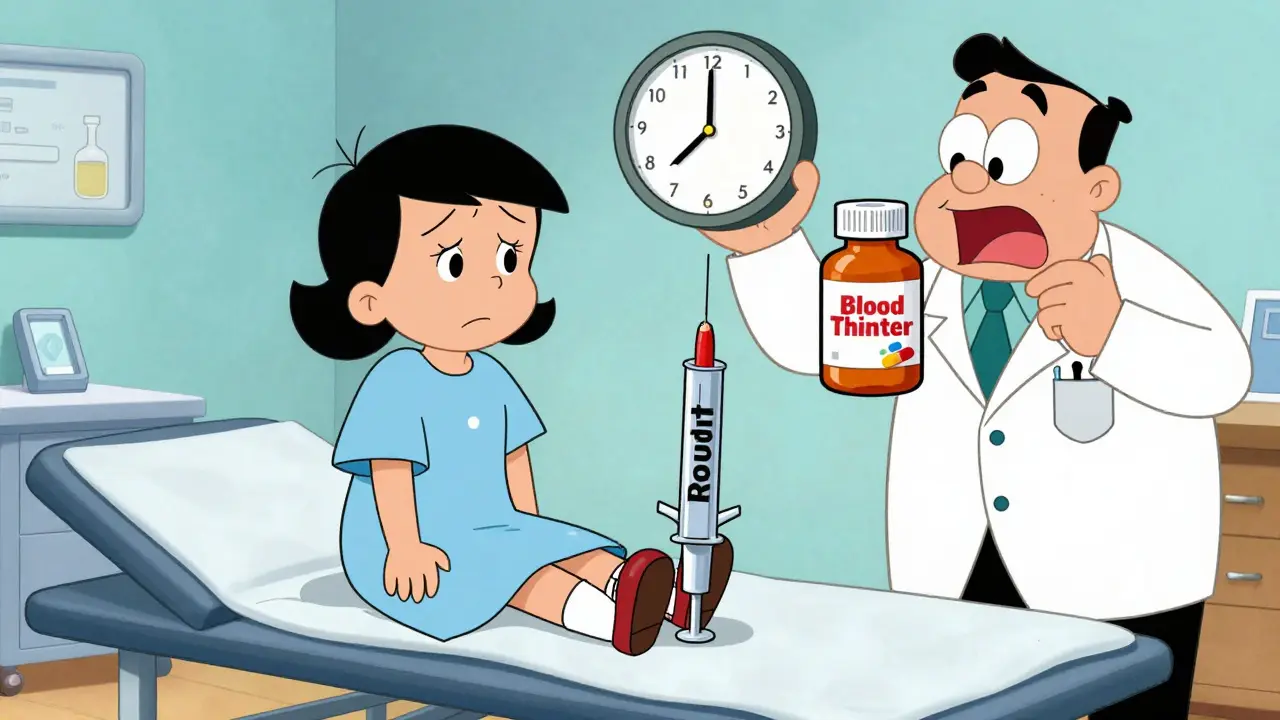
Imagine a simple procedure to relieve chronic back pain or a routine epidural for childbirth. Now imagine that a tiny amount of blood-as little as 1 or 2 milliliters-leaks into the narrow space of your spinal canal. Because the spine is a rigid tube, that small volume of blood acts like a wedge, compressing the spinal cord and potentially causing permanent paralysis within hours. This is the reality of a spinal epidural hematoma (SEH), a rare but catastrophic complication that becomes a serious concern for anyone taking anticoagulants medications that slow down the blood clotting process to prevent strokes or heart attacks.
For most people, the risk is incredibly low. However, when you mix blood thinners with a needle entering the epidural space, the stakes change. The goal isn't just to avoid the needle; it's about timing the medication perfectly so you don't risk a spinal bleed on one hand or a life-threatening blood clot on the other. Here is what you need to know about the risks and how medical teams manage them.
The Danger Zone: What Exactly is a Spinal Hematoma?
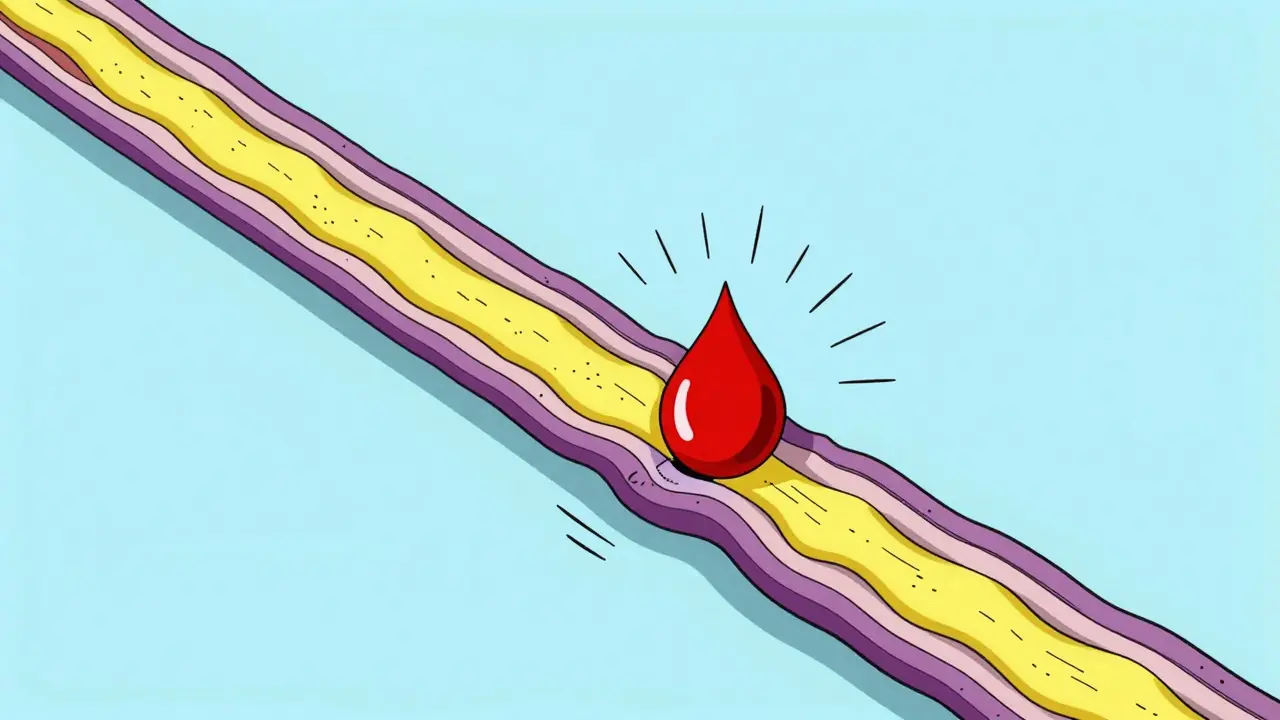
A spinal epidural hematoma occurs when blood collects between the dura mater the tough outermost membrane enveloping the brain and spinal cord and the ligamentum flavum. Because there is almost no room to spare in the spinal canal, this blood puts immediate pressure on the nerves.
The symptoms usually hit fast, often within 12 hours. You might feel sudden, intense midline back pain, followed by a "numb" feeling in your legs (sensory deficits) or a sudden weakness in your muscles. In severe cases, you might lose control of your bladder or bowels. The clock is the biggest enemy here: if a surgeon can remove the blood (surgical decompression) within 8 hours, the chance of a full recovery is around 79%. If that window slips to 24 hours, that recovery rate plummets to just 9%.
Which Blood Thinners Pose the Highest Risk?
Not all blood thinners are created equal. The risk depends on how the drug works and how long it stays in your system. Warfarin a vitamin K antagonist used to prevent blood clots, for example, is monitored by a value called the INR. If your INR is above 1.5, your risk of a hematoma jumps significantly-some data suggests an 8.7-fold increase in risk compared to those with a normal INR.
Then there are the newer drugs, known as DOACs Direct Oral Anticoagulants like Rivaroxaban and Apixaban that target specific clotting factors. These are convenient because they don't require constant blood tests, but they can be trickier to time before a procedure. Enoxaparin a low molecular weight heparin (LMWH) often used for DVT prevention also carries a notable risk, especially when used at therapeutic doses rather than just for prevention.
| Medication / Procedure | Risk Level / Incidence | Key Risk Factor |
|---|---|---|
| Warfarin (INR > 1.5) | High (0.18% risk) | Elevated INR levels |
| DOACs (Improper Timing) | Moderate-High (up to 0.42%) | Renal impairment/timing |
| LMWH (within 8h pre-op) | Moderate (0.31% risk) | Recent administration |
| Aspirin (Single Agent) | Very Low (0.03%) | Generally considered safe |
| Single-shot Epidural | Low (1 in 15,000) | Technical placement |
| Multilevel Spinal Surgery | High (0.5% - 1.0%) | Invasiveness |
Beyond Medication: Other Red Flags
It isn't just about the pills you take. Several other factors can turn a routine procedure into a high-risk situation. For one, the technical side matters. If a doctor has to make three or more attempts to get the needle in the right spot, the risk of a hematoma increases 6.2-fold. If they see blood-tinged fluid during the procedure, the risk spikes even further.
Your own health profile also plays a role. People over 70 or those with kidney problems (specifically a creatinine clearance under 30 mL/min) are at a higher risk because their bodies can't clear the blood thinners as quickly. Even the shape of your spine-like having spinal stenosis (narrowing of the canal)-makes a hematoma more dangerous because there is even less room for blood to accumulate before it hits the nerves.
The Timing Game: When to Stop and Start
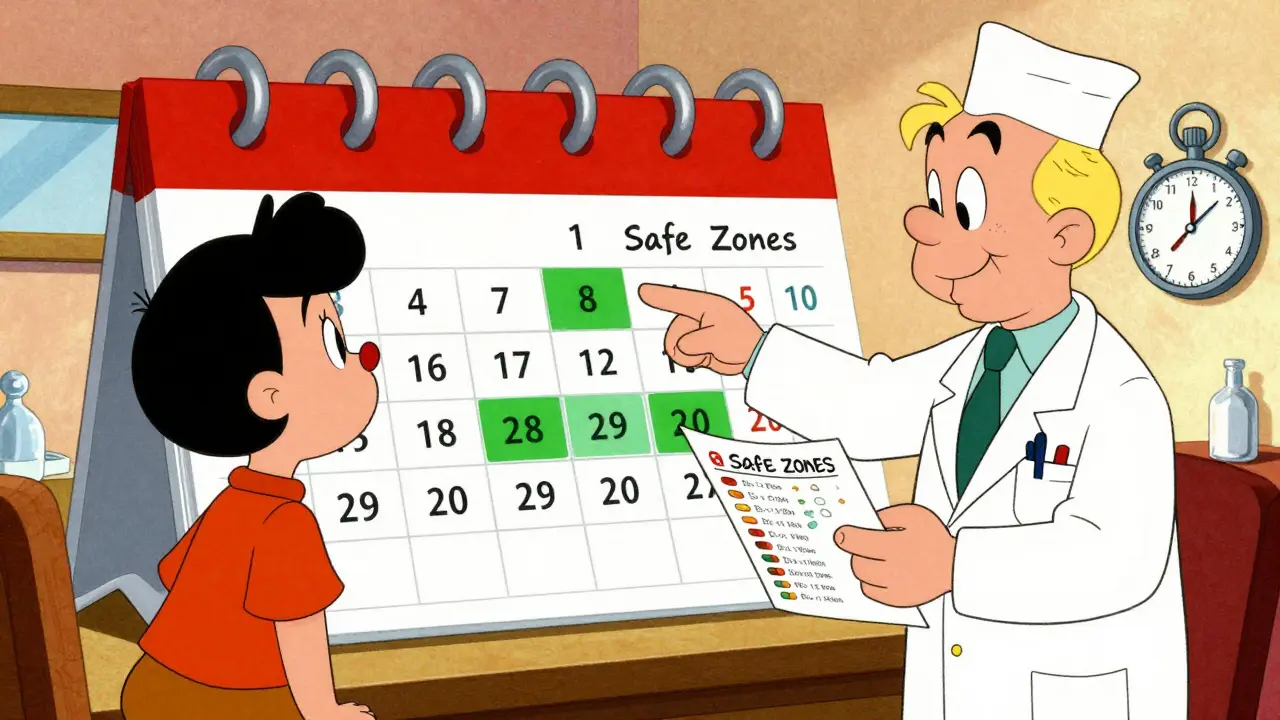
To keep patients safe, organizations like the American Society of Regional Anesthesia and Pain Medicine (ASRA) The leading professional organization providing guidelines for neuraxial anesthesia set strict timing windows. These aren't just suggestions; they are based on how long it takes for the drug to leave your bloodstream.
- Warfarin: Doctors usually want an INR check within 24 hours before the procedure, targeting a value below 1.4. You typically wait 4 to 6 hours after a single injection before restarting.
- LMWH (Enoxaparin): If you are on a preventive dose, you wait 10-12 hours. For a full therapeutic dose, you must wait a full 24 hours.
- DOACs (Apixaban/Rivaroxaban): If your kidneys are healthy, you stop these 48 hours before. If you have renal impairment, that window extends to 72 hours.
The danger here is the "documentation gap." A significant number of hematoma cases happened because the medical team didn't have a clear record of exactly when the last dose was taken. A simple mistake in timing can be the difference between a successful recovery and permanent paraplegia.
The Great Debate: Aspirin and Plavix
There is a bit of a clash in the medical community regarding antiplatelet drugs (which stop platelets from sticking together, rather than stopping the clotting cascade like anticoagulants). Some experts argue that continuing a low-dose aspirin is perfectly safe and that stopping it might actually cause more harm (like a heart attack) than the tiny risk of a spinal bleed.
However, others warn that "dual antiplatelet therapy"-taking two such drugs at once-increases the risk by nearly 4-fold. This is why you might hear different things from different doctors. The current trend is moving toward an individualized approach: your surgeon will weigh your risk of a heart attack against the risk of a spinal bleed to decide if you should keep taking your aspirin.
Can I have an epidural if I'm on blood thinners?
Yes, but it requires careful planning. Your doctor will likely ask you to stop the medication for a specific number of days or hours based on the type of drug and your kidney function. They may also check your blood levels (like INR for Warfarin) right before the procedure to ensure it is safe.
What are the warning signs of a spinal hematoma after a procedure?
The most common signs include sudden, severe back pain, numbness or tingling in the legs, muscle weakness, and loss of bladder or bowel control. These typically appear within 12 hours of the procedure. If you experience these, it is a medical emergency.
Why is kidney function important for this risk?
Many anticoagulants, especially DOACs and LMWH, are cleared from the body by the kidneys. If your kidneys aren't working at 100%, the drug stays in your system longer, meaning you need a longer "washout" period before it is safe to have a spinal needle inserted.
Is an epidural steroid injection as risky as a spinal block?
Generally, a single-shot steroid injection has a very low risk (about 1 in 15,000). However, complex multilevel surgeries or the placement of a long-term epidural catheter carry a higher risk because they are more invasive and provide more opportunities for bleeding.
What happens if a hematoma is detected?
The primary treatment is emergent surgical decompression (a laminectomy) to remove the blood and relieve pressure on the spinal cord. The speed of this surgery is critical; performing it within 8 hours of the first symptom significantly increases the chance of full neurological recovery.
Next Steps and Troubleshooting
If you are scheduled for a spinal procedure and are taking blood thinners, don't panic, but do be proactive. First, create a precise list of every medication and supplement you take, including the exact dosage and the time of your last dose. Do not rely on the pharmacy records alone, as these can sometimes be outdated.
Ask your anesthesiologist or pain specialist specifically about their "anticoagulation protocol." If they seem vague, ask which guidelines they follow (such as ASRA). If you have a history of kidney disease or a very narrow spinal canal (stenosis), make sure they are aware of this, as it may require a longer window of medication cessation.
Finally, keep a close eye on your symptoms for the first 24 hours after you go home. If you feel sudden weakness or numbness that wasn't there immediately after the procedure, don't wait for your follow-up appointment-go to the emergency room immediately and tell them you recently had a spinal procedure while on anticoagulants.