
Many older adults take five or more medications every day. Some of these pills were prescribed years ago for conditions that have changed-or even disappeared. Yet they’re still on the list. This isn’t unusual. It’s common. But it’s also risky. Taking too many medications increases the chance of dizziness, falls, confusion, kidney damage, and hospital visits. The good news? You don’t have to keep taking them all. There’s a safe, smart way to cut back: deprescribing.
What Is Deprescribing?
Deprescribing isn’t about stopping meds cold turkey. It’s not skipping pills because you’re tired of them. It’s a planned, step-by-step process where you and your doctor work together to remove drugs that no longer help-or might even be hurting you. The goal isn’t fewer pills for the sake of it. It’s better days. More energy. Fewer falls. Clearer thinking. Living the way you want to, without being weighed down by medicine.
Research shows that 15% of seniors on five or more medications experience harmful side effects. And yet, only 1 in 5 doctors feel confident talking about reducing meds. That means the ball is often in your court. You have to start the conversation.
Why Most Patients Don’t Bring It Up
It’s not that people don’t want to feel better. It’s that they’re afraid. They worry their doctor will think they’re being difficult. They fear stopping a pill might make their condition worse. They don’t know which meds are safe to cut. And most of all, they’ve been told for years that “more medicine = better care.”
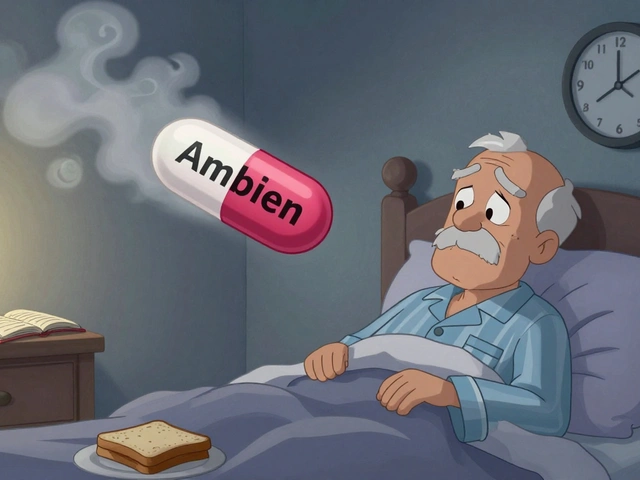
But here’s the truth: Medicine isn’t always helping. Sometimes, it’s just adding noise. A blood pressure pill that makes you dizzy when your pressure is already too low. A statin that causes muscle pain when your heart risk is now low. A sleeping pill that leaves you foggy in the morning. These aren’t just inconveniences-they’re safety risks.
How to Prepare for the Conversation
Walking into a doctor’s appointment and saying, “I want to take fewer pills,” rarely works. It sounds vague. It feels like you’re asking for permission to ignore advice. Instead, come prepared.
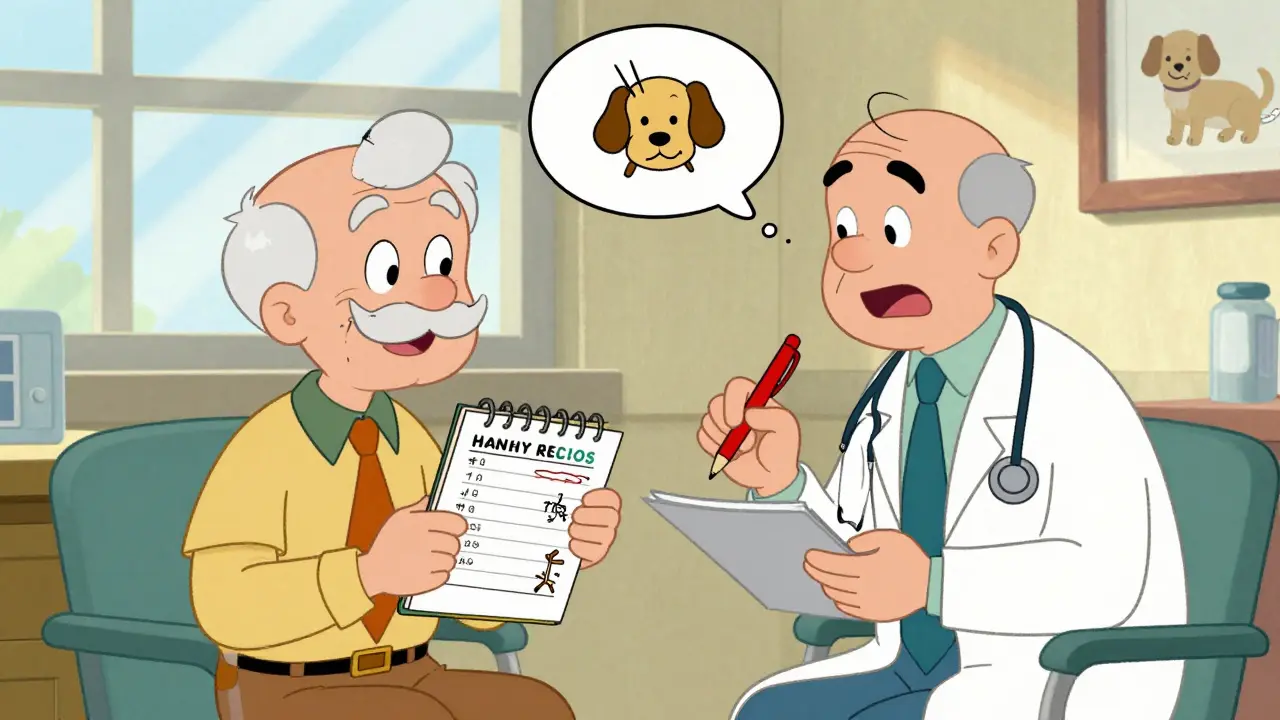
- Write down every medication-prescription, over-the-counter, vitamins, supplements. Don’t forget the aspirin you take for heart health or the melatonin you use for sleep. About 23% of patients forget these, and they’re often the ones causing problems.
- Track side effects. Not just “I feel tired.” Write: “Dizziness 2 hours after taking Amlodipine, nearly fell walking to the bathroom three times last week.” Specifics matter. Doctors need to see the link.
- Identify 1 or 2 meds you’re most worried about. Pick the ones causing the clearest problem. Maybe it’s the sleeping pill that makes you forget your grandkid’s name. Or the antacid that’s making you constipated. Focus on those first.
- Connect meds to your goals. This is the most powerful part. Instead of saying, “I want to stop this,” say: “I want to be able to walk to the park with my grandkids without feeling dizzy.” Or: “I want to wake up clear-headed so I can read my book without falling asleep.” When you tie medicine to your life, your doctor listens.
What to Say-And How to Say It
Here’s what works, based on real patient outcomes and medical research:
- Start with curiosity: “What’s your view on how my medications are working for me right now?” This opens the door. It’s not a demand. It’s a conversation.
- Share your experience: “I’ve noticed since I started taking this, I’ve been stumbling more. I’m scared I’ll fall.”
- Use the ask-tell-ask method: Ask their opinion. Tell them your concern. Then ask: “What would be the safest way to see if we could reduce this?”
- Focus on risk, not cost: Studies show patients respond best to warnings about side effects-not price. Say: “Some of these meds may be hurting me more than helping, especially by making me unsteady.”
- Avoid life expectancy talk: If you have a chronic condition like Alzheimer’s, talking about how long you might live makes caregivers-and sometimes patients-shut down. Stick to daily life: “I want to keep cooking for my family without feeling foggy.”
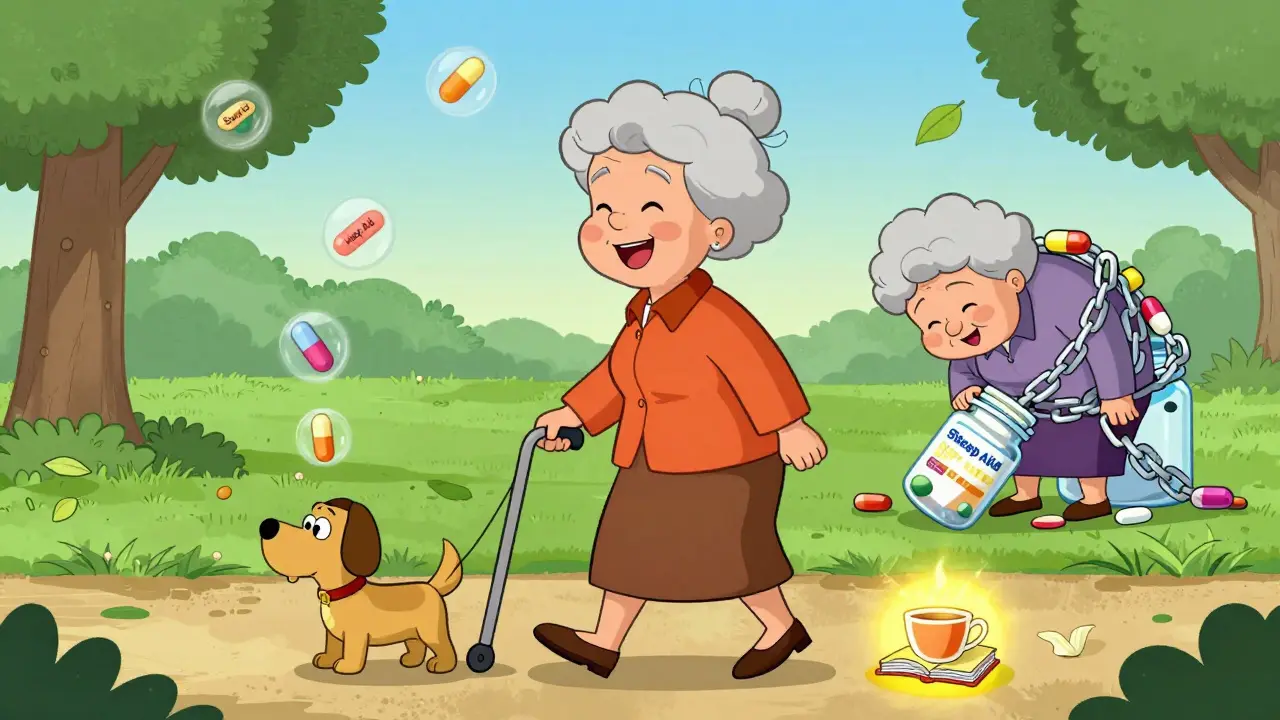
One patient, a 78-year-old woman in Melbourne, brought a journal to her appointment. She wrote down every time she felt dizzy, confused, or exhausted-and matched it to the time she took each pill. Her doctor agreed to slowly reduce two blood pressure meds and one sleep aid over three months. Within six weeks, she was walking her dog again without a cane.
What to Expect When You Ask
Your doctor won’t say yes to everything. And that’s okay. Deprescribing is a process, not a one-time fix. Most successful reductions happen slowly:
- They’ll lower the dose first-maybe by 25%.
- You’ll keep taking it for a few weeks to see how you feel.
- You’ll come back for a check-in.
- Then they might lower it again-or stop it.
Doctors need to see that stopping a drug won’t cause harm. That’s why they ask for monitoring. Bring up this idea yourself: “Could we check my balance and blood pressure in four weeks if we reduce this?” Showing you’re ready to track results makes them more likely to say yes.
Bring Proof-It Helps
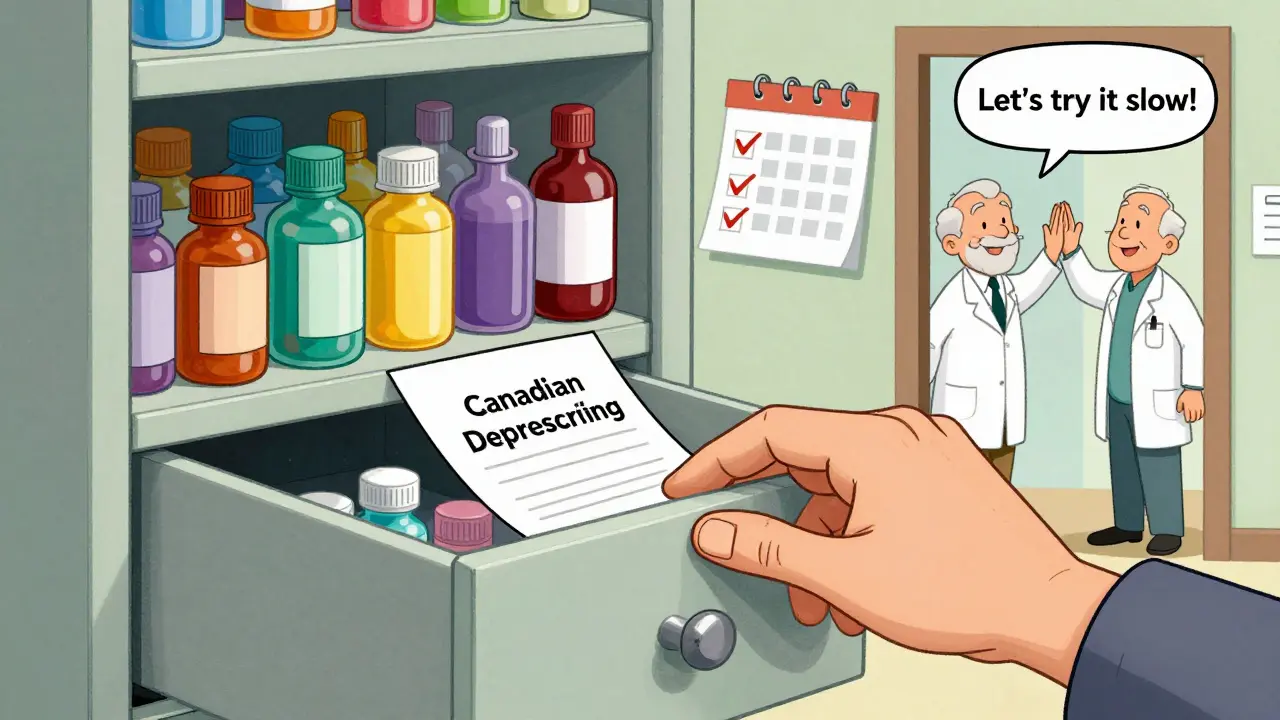
Doctors are busy. They don’t have time to look up every guideline. But if you bring printed info from trusted sources-like the Canadian Deprescribing Guidelines or the Beers Criteria-you’re 33% more likely to get a positive response. These aren’t just random websites. They’re science-backed tools used in hospitals and clinics worldwide.
Don’t print a whole 100-page document. Pick one page that talks about the specific class of drug you’re asking about-like “benzodiazepines for seniors” or “anticholinergics and dementia risk.” Highlight the key point. Hand it to them. Say: “I read this and thought it might apply to me.”
What If They Say No?
It happens. Sometimes the doctor thinks the risk is low. Sometimes they’re unsure. Sometimes they’re overwhelmed.
Don’t walk out frustrated. Say: “I understand you’re not ready to change this now. Could we revisit it in three months? I’d like to track how I’m feeling and bring back my notes.”
Or ask: “Is there a specialist you’d recommend who’s more experienced with deprescribing?” Many older adults benefit from seeing a geriatrician or a pharmacist specializing in senior meds. These professionals are trained to look at the whole picture-not just one condition.
It’s Not Just About Pills-It’s About Living
Deprescribing isn’t about being “less medical.” It’s about being more alive. It’s about waking up without fog. Walking without fear. Remembering your grandchild’s name without reaching for a pill. It’s about reclaiming your days.
Medicine was meant to help you live better. Not to become your whole life. If you’re taking pills that don’t match your goals anymore, you’re not being difficult. You’re being smart. And you’re not alone. Over 68% of seniors would love to take fewer meds-if only someone asked them how they felt.
Start with one conversation. Bring your list. Bring your story. Bring your hope. Your doctor might not have brought it up. But you can.
What Happens After You Start?
Once you begin reducing meds, keep tracking. Write down:
- How you feel each day-energy, mood, balance
- Any new symptoms (headaches, sleep changes, stomach upset)
- Whether your original problem (like high blood pressure or anxiety) comes back
Some side effects fade within days. Others take weeks. If you feel worse, call your doctor. Don’t restart the med on your own. But if you feel better? That’s your sign you’re on the right track.
Many seniors report feeling like themselves again after deprescribing. Not because they stopped everything-but because they stopped what was holding them back.
Why This Matters Now More Than Ever
In 2024, Medicare started requiring annual medication reviews for all beneficiaries. Electronic health records now flag risky meds automatically. The CDC launched a public campaign called “Right Size My Meds.” These aren’t small changes. They’re system-wide shifts recognizing that more medicine isn’t always better.
And yet, only 22% of primary care doctors feel trained to lead these conversations. That means your role is bigger than ever. You’re not just a patient. You’re a partner in your care. And you have the power to start this change.
Can I just stop taking a medication if I think it’s not helping?
No. Stopping some medications suddenly can be dangerous. Blood pressure pills, antidepressants, seizure drugs, and steroids can cause serious withdrawal effects if stopped abruptly. Always work with your doctor to reduce doses slowly and safely. Even if you think a pill isn’t helping, don’t quit on your own.
What if my doctor says my meds are fine, but I still feel awful?
You’re not wrong. Sometimes doctors focus on single conditions and miss how meds interact. Ask for a medication review. Say: “I know each of these was prescribed for a reason, but together, I feel worse. Could we look at them as a whole?” If your doctor refuses, ask for a referral to a geriatrician or clinical pharmacist who specializes in senior meds.
Will my doctor think I’m trying to save money?
Some might assume that, but the best reason to deprescribe isn’t cost-it’s safety. Focus your conversation on how the meds affect your daily life: dizziness, confusion, fatigue, falls. These are medical concerns, not financial ones. Studies show doctors respond better to health-focused reasons than cost.
How long does it take to safely reduce a medication?
It varies. For some, like sleep aids or antacids, changes can happen in 2-4 weeks. For others, like antidepressants or blood pressure meds, it may take 3-6 months. The key is gradual reduction with regular check-ins. Most successful deprescribing plans involve small, slow steps-not sudden stops.
Can I ask for a medication review even if I don’t have a specific concern?
Yes. You don’t need a crisis to ask. In fact, the best time to review meds is when you’re feeling okay. Say: “I’m on several medications. Could we do a quick check to make sure they’re still right for me?” Medicare now covers this as part of the Annual Wellness Visit. You have the right to ask.
Amy Insalaco
January 30, 2026Let’s be honest-deprescribing is just pharmaceutical deprogramming disguised as patient empowerment. The entire framework assumes that polypharmacy is inherently pathological, which is a gross oversimplification of geriatric pharmacokinetics. The Beers Criteria? A blunt instrument developed by committee, not clinical nuance. I’ve seen 82-year-olds on seven meds who are sharper than their 40-year-old clinicians. Reducing meds without rigorous TDM-therapeutic drug monitoring-isn’t deprescribing, it’s therapeutic negligence dressed up as a wellness trend. And don’t get me started on the ‘I want to walk my dog’ narrative-it’s emotional blackmail masquerading as shared decision-making.
Marc Bains
January 30, 2026I love how this post centers the patient’s voice-finally. As a geriatric nurse for 28 years, I’ve watched too many seniors get stuck on meds they don’t need because no one asked them how they actually feel. One woman I worked with stopped her statin, her anticholinergic sleep aid, and a beta-blocker that made her legs feel like concrete. Within a month, she was gardening again, laughing louder, remembering her grandkids’ birthdays. It wasn’t magic. It was listening. Doctors don’t need to be experts on every pill-they need to be experts on the person behind the pill bottle. This guide? It’s the roadmap we’ve been waiting for.
Kelly Weinhold
January 30, 2026YES. This is everything. I’m 71 and I’ve been waiting for someone to say this out loud. I was on six pills a day-sleeping pills, acid reflux meds, blood pressure, cholesterol, a joint thing, and a ‘just in case’ aspirin. I felt like a zombie who forgot how to be human. I printed the Canadian guidelines, highlighted the part about benzos for seniors, and handed it to my doctor. She didn’t blink. We cut the sleep med first. Two weeks later, I was waking up without that foggy head. Now I read novels again. I bake cookies for my neighbors. I don’t need a pill to feel alive. You’re not being difficult-you’re being brave. And you’re not alone. We’re all just trying to live, not just survive.
KATHRYN JOHNSON
January 31, 2026This article is dangerously irresponsible. The federal government has mandated medication reviews precisely because unguided deprescribing leads to increased morbidity and mortality. The Beers Criteria exist for a reason. To suggest that patients can initiate tapering based on anecdotal fatigue or dizziness is not patient-centered-it is patient-endangering. There is no substitute for clinical judgment. This is not a lifestyle blog. It is medicine.
Lily Steele
February 1, 2026Just wanted to say thank you for writing this. I showed it to my mom and we brought it to her appointment last week. She was scared to say anything, but after reading it, she said, ‘I just don’t want to feel like I’m walking through peanut butter all day.’ Her doctor actually smiled and said, ‘Let’s talk about that.’ We cut her antihistamine and one of her blood pressure pills. She’s been sleeping better and not tripping over the rug anymore. It’s not about stopping meds. It’s about starting to live again.
Gaurav Meena
February 1, 2026This is beautiful. I’m from India, but my dad is 76 and on 8 medications. I shared this with him in Hindi, and he cried. He said, ‘No one ever asked me how I felt-I was just told to take them.’ We printed the Beers Criteria page on anticholinergics. His doctor was surprised but impressed. We’re reducing one pill every 3 weeks. He’s walking to the temple again. Thank you for giving us the words. 🙏
Jodi Olson
February 1, 2026Medication is not a moral imperative. It is a tool. When the tool ceases to serve the purpose of enhancing lived experience, its continued application becomes not therapeutic but performative. The physician’s duty is not to maintain pharmacological inertia but to facilitate autonomy. The body is not a machine to be optimized-it is a phenomenon to be understood. Deprescribing, properly conducted, is not reductionism-it is restoration.
Carolyn Whitehead
February 3, 2026i just wanted to say i did this last year and it changed everything. stopped the sleep pill, the acid stuff, and the one for my ‘mild’ anxiety. felt weird at first but then… i just felt like me again. no more midday naps. no more blurry vision. my cat even noticed. she used to sleep on my lap, now she just stares like ‘who are you and why do you smell like normal?’ lol
Katie and Nathan Milburn
February 4, 2026The empirical evidence supporting deprescribing in polypharmacy cohorts is robust, particularly in populations with reduced renal clearance and altered cytochrome P450 metabolism. However, the methodology presented herein lacks stratification by comorbidities, cognitive status, and adherence patterns. While patient narratives are compelling, they are not generalizable. The risk-benefit calculus must be individualized, not democratized. This article, while well-intentioned, risks creating a false sense of procedural simplicity where clinical complexity resides.
Eliana Botelho
February 5, 2026Okay but have you ever tried to get a doctor to listen? I brought a 12-page binder with charts, side effect logs, and highlighted guidelines. My doctor said, ‘You’re overthinking this.’ Then he prescribed me another pill for the dizziness from the other pill. I’m not even mad. I’m just tired. If you’re lucky, your doctor cares. Most of us? We’re just hoping they don’t forget our name.