
Drug Interaction Safety Planner
Personal Risk Assessment
Identify system barriers mentioned in the article that increase your risk.
Risk Profile:
Build Your "Medication Passport"
Based on BeMedWise Program recommendations, create your living document.
Your list is currently empty.
Critical Questions Checklist
Before leaving the office, ensure these are answered (Source: Patient Advocacy Guidelines):
- Does this interact with my current meds?
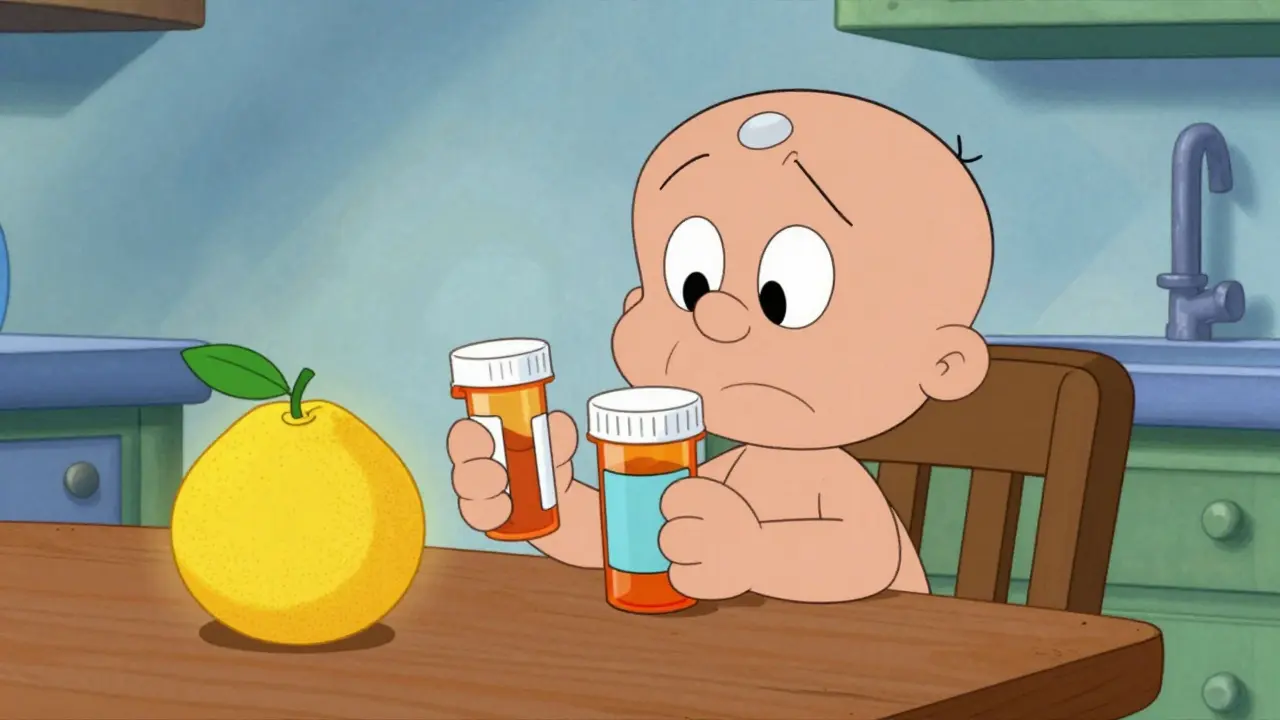
- Are there food/drink restrictions (e.g., Grapefruit)?
- What symptoms signal an interaction?
- How does timing affect absorption?
The Silent Risk Behind Your Pill Bottle
You might think taking one pill is simple, but your body processes chemicals in complex ways. Drug interactions occur when two substances affect how a medication works in the body, potentially causing harm or making treatment useless. This isn't just theoretical worry. According to the Food and Drug Administration (FDA), preventable adverse drug reactions account for approximately 7,000 deaths annually in the United States alone. That number highlights why checking before you start something new is a critical safety habit rather than optional research.
Many people don't realize that food plays a role here too. It is not just about two pills meeting in the bloodstream. Even healthy foods like grapefruit can cause dangerous interactions with certain medications such as statins. The goal is to stop adverse events before they happen, preventing hospitalization or permanent disability. Studies show that up to 50% of adverse drug reactions are preventable through systematic interaction checking. This means your personal review could save you from significant health complications.
Why Medications Clash Inside the Body
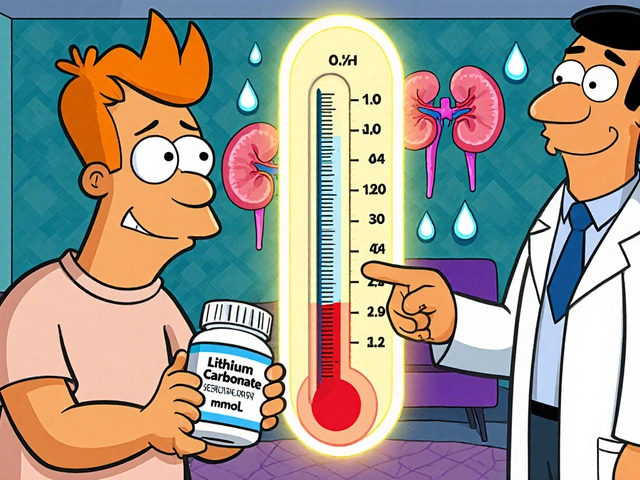
To catch risks, you need to understand the basic mechanics. Most drugs are broken down by enzymes in your liver, specifically the cytochrome P450 family. When one medication slows down these enzymes, another drug stays in your system longer than intended, leading to toxicity. Conversely, some substances speed up the process, flushing the medicine out before it works.
Consider the case of warfarin. This common blood thinner has a narrow therapeutic window. If you take certain nonsteroidal anti-inflammatory drugs (NSAIDs) alongside it, the risk of bleeding skyrockets. The American Academy of Family Physicians identifies seven high-risk medication combinations that account for 63% of serious drug interaction hospitalizations. One specific example involves combining simvastatin doses above 20 mg with amiodarone. This combination increases the risk of rhabdomyolysis by 15-fold, which can lead to kidney failure or death. Understanding these mechanisms helps you see why a doctor needs your full history before prescribing.
Building Your Comprehensive Medication List
The most effective step is maintaining a living document of everything you consume. This includes prescription medications, over-the-counter drugs, herbal supplements, and vitamins. Vague names are not enough; you need exact dosages and frequencies. For example, "Vitamin D" is less useful than "Vitamin D3, 2000 IU, once daily." The BeMedWise Program recommends bringing all physical medication containers to at least one annual healthcare appointment for review. This practice was shown to reduce medication discrepancies by 37% according to a 2018 study published in the Journal of General Internal Medicine.
Your list should cover:
- Prescription Drugs: Name, dose, frequency, purpose.
- Over-the-Counter Items: Pain relievers, allergy meds, sleep aids.
- Supplements: Herbal extracts, vitamins, minerals.
- Allergies: Any known reactions to specific chemical classes.
Maintain this list digitally and carry a printed copy during every medical visit. A 2022 survey found that 68% of patients do not consistently inform all healthcare providers about all medications they take. By keeping this record, you close the loop on fragmented care.
Questions to Ask Before Swallowing a Pill
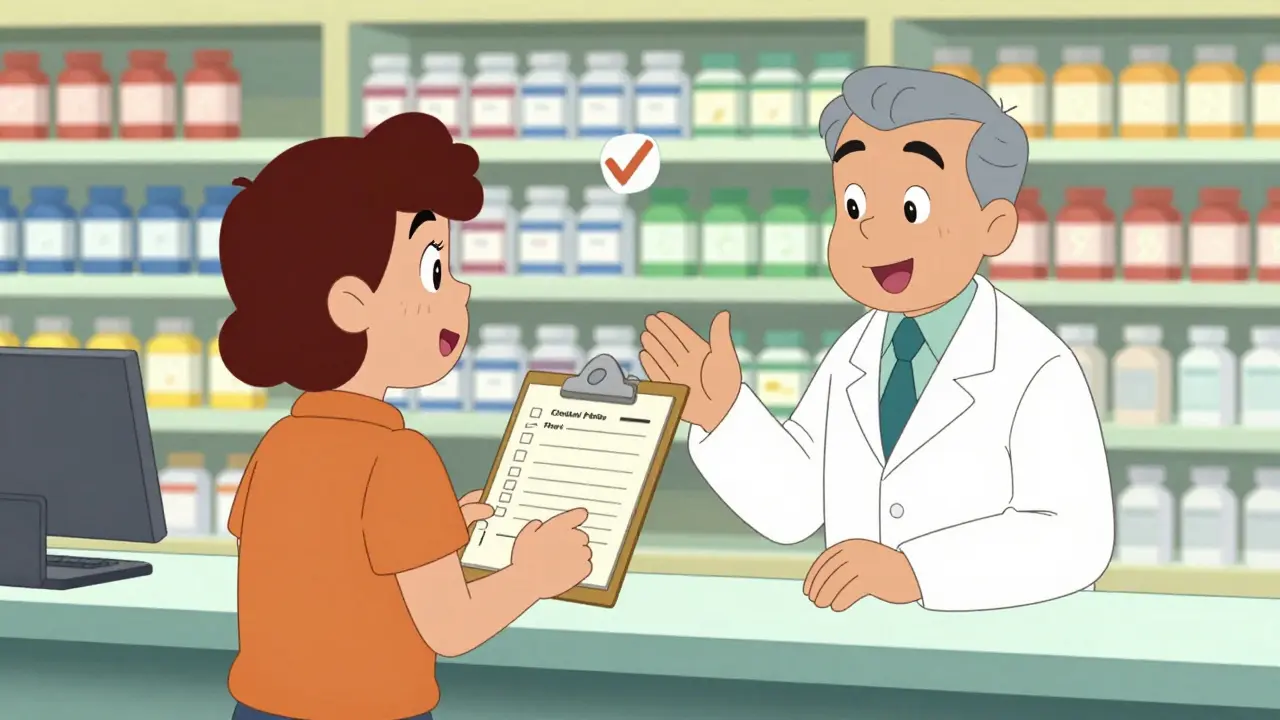
Do not hesitate to question the prescriber. You have the right to know how a new addition fits your regimen. Before leaving the office, ask these four critical questions:
- Can I take this with my other medications?
- Should I avoid certain foods or beverages?
- What are the potential interaction signs I should watch for?
- How will this drug work in my body?
If a provider gives vague answers, seek a second opinion. Patient experiences reveal significant gaps in interaction checking despite available tools. In the r/Pharmacy community, users frequently report frustrations with false positive alerts, but there are also stories of tools saving lives. One user credited an online checker with preventing a potentially fatal interaction between sertraline and linezolid after their physician overlooked it.
Digital Tools and Their Limitations
Online resources offer immediate screening capabilities. Multiple free online drug interaction checkers are available for patient use, each with specific strengths. The Drugs.com Drug Interactions Checker, launched in 2001 and updated daily, screens over 24,000 prescription and over-the-counter medications. A 2021 study found that this tool identified 92.4% of clinically significant interactions compared to 87.1% for WebMD's tool. However, remember that software cannot account for your unique biology.
The FDA cautions that no online tool should replace professional medical advice. Patient-facing tools may not account for individual patient factors like renal function, age, or genetic variations. The University of Liverpool's HIV Drug Interaction Checker, which has been updated monthly since its 2010 launch, provides color-coded risk assessments. This system uses evidence ratings from 1 (strongest evidence) to 5 (theoretical). While powerful, a 2022 KFF survey revealed that only 38% of Americans consistently use one pharmacy, meaning these tools often lack the full picture of a patient's intake.
| Tool Name | Coverage | Best For | Limitation |
|---|---|---|---|
| Drugs.com Checker | 24,000+ meds | General public use | No patient-specific data |
| Liverpool HIV Checker | Antiretrovirals | HIV specialists | Niche focus |
| WebMD Tool | Common conditions | Rapid screening | Lower accuracy rate |
High-Risk Combinations to Monitor
Safety involves knowing the common troublemakers. Expert consensus from the American Academy of Family Physicians identifies specific high-risk medication combinations. Here are the most dangerous pairs to monitor actively:
- Warfarin with NSAIDs: Increases bleeding risk significantly.
- SSRIs with MAOIs: Can cause serotonin syndrome, a life-threatening condition.
- Statins with Fibrates: Raises muscle damage risks.
- Sildenafil with Nitrates: Leads to severe drops in blood pressure.
The European Medicines Agency released updated guidelines requiring pharmaceutical companies to conduct specific pharmacokinetic studies for new drugs. This standard has increased the identification of clinically significant interactions by 28% since implementation in 2015. Knowing these categories helps you prioritize vigilance with your own list.
System Barriers and The One Pharmacy Rule
Healthcare fragmentation creates invisible dangers. A 2020 study found that incomplete medication records exist for 43% of patients with multiple chronic conditions. These patients visit an average of 3.2 different healthcare systems that do not share electronic records. To combat this, the Cleveland Clinic recommends maintaining a "medication passport"-a physical or digital document updated after every encounter.
The BeMedWise Program's "One Pharmacy Rule" is another vital strategy. Using a single pharmacy for all prescriptions reduces serious drug interactions by 31%. Centralized pharmacy records enable comprehensive screening across all medications. Cost considerations drive many to switch pharmacies, yet 62% of incidents involving interacting combinations occur when patients used multiple pharmacies. Prioritizing one location ensures the pharmacist sees the whole picture.
Current industry developments focus on improving detection accuracy. The FDA's 2023 Drug Interaction Pilot Program is testing machine learning algorithms to predict individual patient risk. Preliminary results show 89% accuracy compared to 72% for traditional rule-based systems. Future developments include integration of pharmacogenomic data into interaction checkers, demonstrating that including CYP450 enzyme genotype data improved interaction prediction accuracy by 37%.
Can natural supplements interact with prescribed medicines?
Yes, herbal supplements and vitamins frequently cause interactions. For instance, St. John's Wort can deactivate several medications, and grapefruit juice interferes with statin metabolism. Always include supplements on your medication list.
How often should I check for interactions?
You should check whenever you add a new substance, even over-the-counter items. Regular annual reviews with a primary care provider are recommended to reassess necessity and timing.
Are online interaction checkers safe to use?
They are helpful for initial screening but cannot replace doctor advice. They lack details on your kidney function, genetics, or specific dosage adjustments needed for your body type.
What symptoms indicate a drug interaction is happening?
Watch for sudden dizziness, nausea, unusual bruising, extreme fatigue, or confusion shortly after starting a new med. Stop the medication and call your provider immediately if these occur.
Does taking pills at different times help?
Timing matters for some interactions. Spacing doses by hours can reduce absorption competition, but always confirm spacing strategies with a pharmacist before adjusting your schedule.
Adryan Brown
March 30, 2026It is really important to know how medications work together inside the body. Many people skip this step entirely because they trust the system implicitly. Sometimes the pharmacy software fails in strange ways during high volume periods. You need to own your medical data personally rather than relying on fragmented records. Writing down every supplement helps a lot when you visit a new specialist. Doctors rarely ask about vitamins or herbal extracts casually. These substances change enzyme function quite quickly in the liver. Grapefruit juice is the classic example everyone hears about in school. But St Johns Wort is just as bad for certain antidepressant classes. Keeping a physical list in your bag is smart regardless of technology. Digital copies get lost in cloud errors sometimes during system updates. A printed card works in emergencies instantly when power is unavailable. Emergency room staff need clear info immediately to avoid fatal mistakes. This saves lives when patients cannot speak clearly due to sedation. Everyone should take this personal responsibility seriously before swallowing new drugs. The statistics about preventable deaths are genuinely alarming to read carefully.
Vikash Ranjan
March 31, 2026All of this detailed analysis is just fear mongering designed to make us panic unnecessarily.
Biraju Shah
April 1, 2026Stop trying to diagnose yourself online and listen to the professionals instead. You are wasting time reading blogs when you could be getting real answers. The risk of bleeding is real if you ignore basic medical advice blindly. Follow the instructions given at the counter precisely. Do not play around with dosage timing without asking first.
Rick Jackson
April 1, 2026Professionals miss things too often unfortunately. Second opinions help catch the gaps.
sanatan kaushik
April 3, 2026Trust no one with your health safety. Keep records yourself always. Big pharma wants you sick.
Debbie Fradin
April 4, 2026Oh great another lecture on how to manage life perfectly. Nobody actually reads the fine print on bottle labels anyway. Who cares about liver enzymes when coffee tastes better?
Charles Rogers
April 6, 2026Ignorance kills faster than any medication ever will my friend. You choose to suffer from lack of knowledge daily. True wisdom demands we take control of our biology completely.
Jonathan Alexander
April 6, 2026I had a nightmare situation years ago involving blood thinners and painkillers. My heart rate spiked dangerously fast while lying in bed. It felt like death was standing right next to me breathing cold air. Thank god the pharmacist caught the error before I left the store. Now I carry a red folder everywhere I travel abroad.
Ruth Wambui
April 7, 2026Their algorithms predict sickness to sell more poison eventually. Real medicine hides in the green earth away from labs. Why trust machines over nature healing itself organically?
Carolyn Kask
April 9, 2026We have the best healthcare system in the world and yet people complain about basic checks. It is un-American to doubt these protocols constantly. Just stop whining and follow the rules set by experts.
Michael Kinkoph
April 10, 2026Seriously; frankly! We MUST! consider the nuances... obviously!!! The data is irrefutable... yet ignored???
Beccy Smart
April 10, 2026😂🙄💊 Stop worrying about everything! 😈👋 Just take the pill and hope for the best! 🤷♀️🚫🩸