
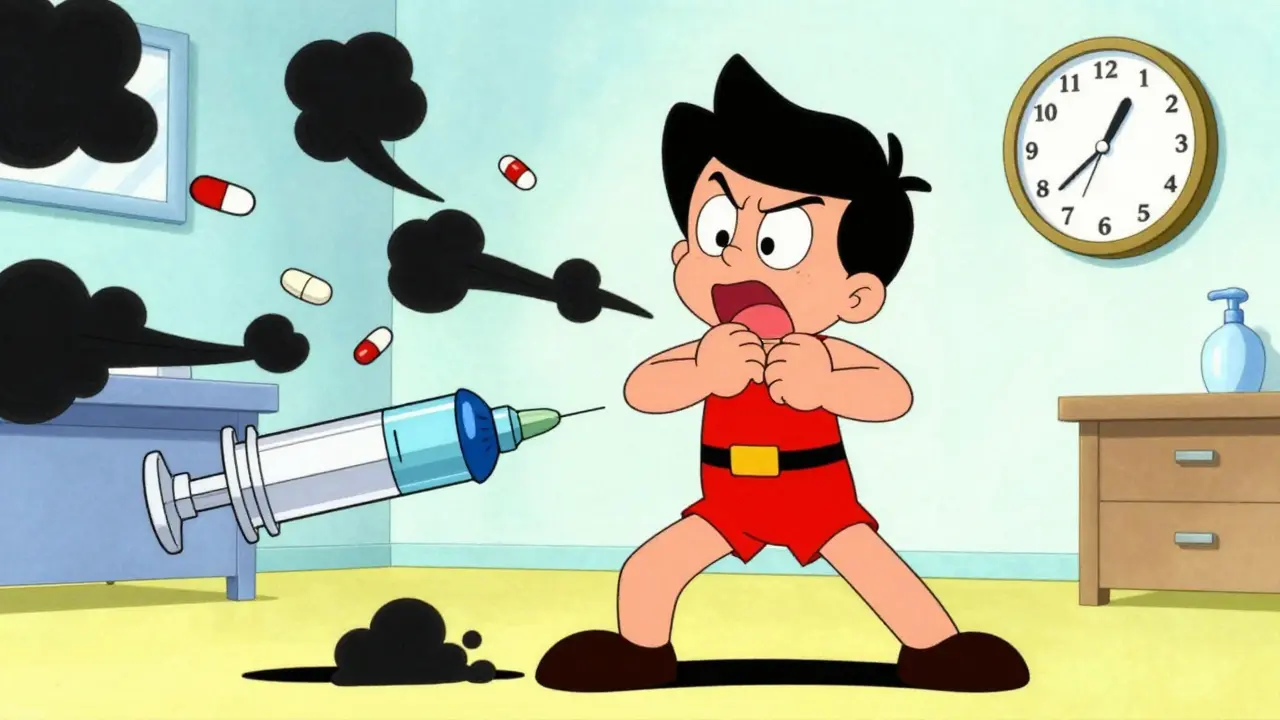
When a medication triggers a severe allergic reaction, time isn’t just important-it’s everything. Anaphylaxis from medication doesn’t wait. It hits fast, hits hard, and can kill in minutes if you don’t act. This isn’t theory. It’s real. In hospitals, about 1 in every 2,000 drug doses causes anaphylaxis. Out in the community, it’s rarer-but no less deadly. And the biggest killer? Delay. Not the reaction itself. Not the drug. The delay in giving epinephrine.
What Anaphylaxis from Medication Actually Looks Like
Anaphylaxis isn’t just a rash or a stuffy nose. It’s a full-body emergency. Medications like penicillin, NSAIDs (like ibuprofen or naproxen), chemotherapy drugs, contrast dyes used in scans, and muscle relaxants during surgery are the most common triggers. But you won’t always see the classic signs like hives or swelling. About 1 in 5 people have no skin symptoms at all. That’s why you can’t wait for a rash to appear.Look for these signs instead:
- Difficulty breathing, wheezing, or a persistent cough
- Swelling of the tongue or throat
- Tightness in the throat, trouble talking, or a hoarse voice
- Dizziness, fainting, or sudden collapse
- Pale, clammy skin-especially in kids
- Feeling like you’re going to die
These symptoms can start within seconds or minutes after taking a drug. Sometimes they creep in over 30 minutes. But once they start, they don’t stop unless you stop them.
The One Thing That Saves Lives: Epinephrine
If you suspect anaphylaxis, there’s only one treatment that matters: epinephrine. Not Benadryl. Not asthma inhalers. Not corticosteroids. Epinephrine, injected into the thigh, is the only thing that reverses airway swelling, restores blood pressure, and prevents cardiac arrest.Here’s how to use it:
- Grab the auto-injector-EpiPen, Auvi-Q, or Adrenaclick. No time to read the instructions.
- Remove the safety cap.
- Press the injector firmly against the outer thigh, through clothing if needed.
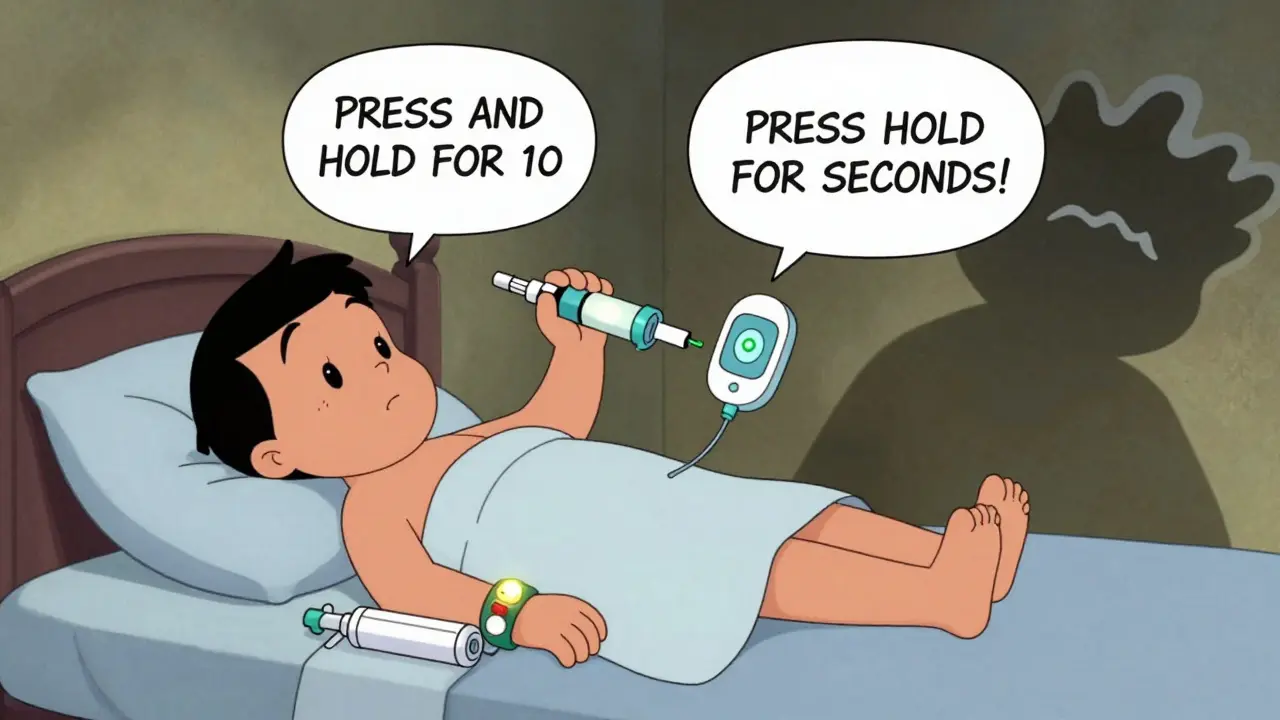
- Hold it in place for 10 seconds. Most people stop at 3 or 5. That’s not enough.
- Massage the area for 10 seconds after removing it.
Dosing is simple: 0.3 mg for adults and kids over 30 kg. 0.15 mg for kids 15-30 kg. If symptoms don’t improve after 5 minutes, give a second dose. Don’t wait. Don’t call for help first. Give epinephrine first. Then call.
Why do people hesitate? Fear. They worry about side effects-racing heart, shaking, high blood pressure. But here’s the truth: over 35,000 epinephrine doses given for anaphylaxis in the last decade caused only 10 serious side effects. That’s 0.03%. Meanwhile, 70% of fatal cases happened because epinephrine was never given-or given too late.
Positioning Matters More Than You Think
Laying the person flat is not optional. It’s life-saving. If they’re standing, sitting, or even leaning back, their blood pressure can crash. In 15-20% of cases, just standing up after symptoms start leads to death.Here’s what to do:
- Put them flat on their back. Elevate their legs slightly if they’re conscious.
- If they’re having trouble breathing, let them sit up with legs stretched out.
- If they’re unconscious, roll them onto their left side (recovery position). This keeps the airway open and prevents choking.
- If they’re pregnant, always lay them on their left side. This takes pressure off the big vein that returns blood to the heart.
- Hold young children flat on their back. Don’t hold them upright. It makes breathing harder.
One study showed that 55% of bystanders let patients stand during anaphylaxis. That’s not just wrong-it’s dangerous.
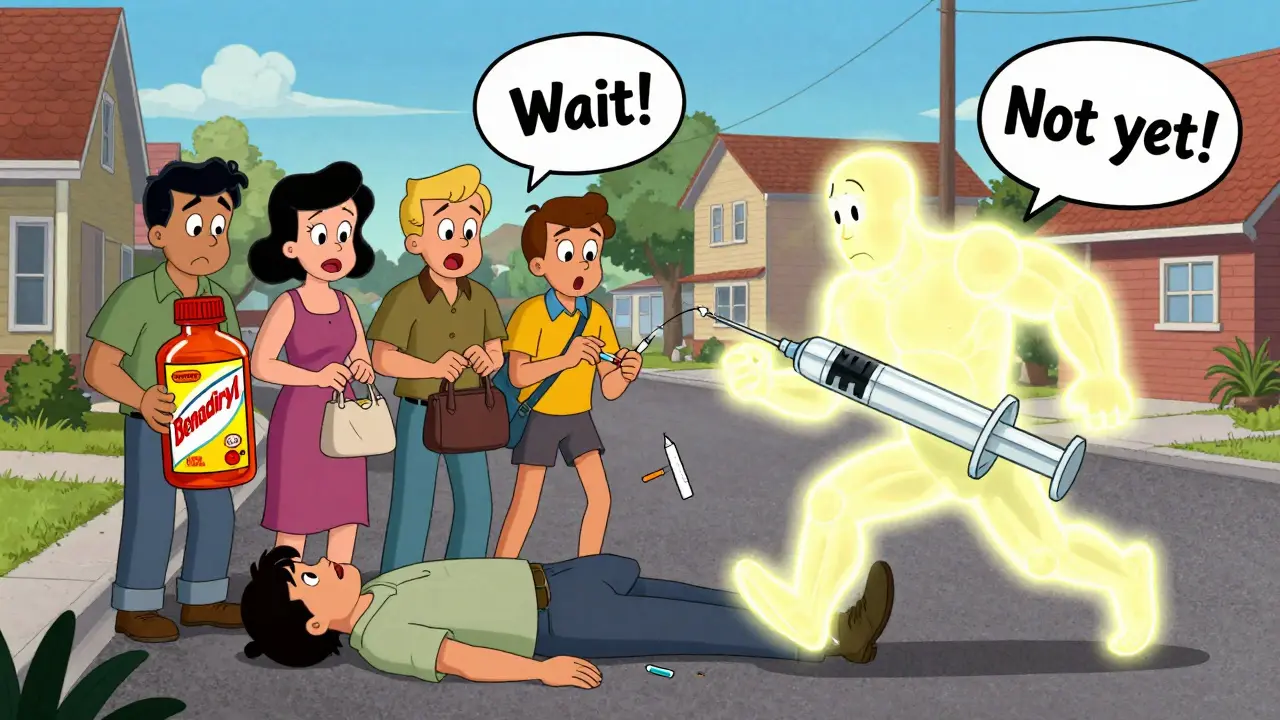
Call Emergency Services-Right After Epinephrine
Epinephrine works fast, but it doesn’t last. Its effects wear off in 10 to 20 minutes. That’s why you need an ambulance-even if the person seems better.Call 911 (or 000 in Australia) immediately after giving epinephrine. Don’t wait. Don’t drive them yourself. Paramedics bring oxygen, IV fluids, and more epinephrine if needed. They can monitor for biphasic reactions-when symptoms return hours later without any new trigger.
Up to 20% of anaphylaxis cases have a second wave. For medication-triggered cases, that risk is even higher-up to 25%. That’s why hospitals require 4 to 8 hours of observation. You can’t go home after 10 minutes.
What Doesn’t Work-And Why You Shouldn’t Waste Time
Antihistamines like Benadryl? They help with itching or hives. But they do nothing for breathing problems, low blood pressure, or swelling in the throat. Giving them instead of epinephrine is like putting a bandage on a gunshot wound.Corticosteroids like hydrocortisone? They used to be routine. Now, major guidelines say they’re not needed for most cases. They don’t stop anaphylaxis. They might reduce the chance of a second wave, but they’re not a substitute for epinephrine.
Albuterol inhalers? Helpful if there’s asthma, but they won’t fix throat swelling or shock. Don’t rely on them.
And never, ever wait for a doctor’s order. If you’re not a doctor, you’re still the first responder. If you think it’s anaphylaxis, give epinephrine. If you’re unsure? Give it anyway. Australian data shows hesitation caused 35% of preventable deaths between 2015 and 2020. The rule is simple: if in doubt, give adrenaline.
Real-World Problems: Why People Fail to Act
In hospitals, it takes an average of 8.2 minutes to give epinephrine after symptoms start. That’s 3 minutes too long. Nurses and doctors delay because they’re afraid of side effects, worried about making a mistake, or waiting for confirmation. But the evidence is clear: early epinephrine cuts death risk by 80%.Outside hospitals, the problem is worse. A survey found that 68% of people with known drug allergies carry an auto-injector-but only 41% feel confident using it. People forget how. They’re scared to inject someone else. They think they’re overreacting.
Common mistakes:
- Injecting into fat instead of muscle (18% of errors)
- Not holding the injector long enough (37% of users stop at 5 seconds)
- Trying to inject through a pocket or purse instead of directly on the thigh
- Waiting for someone else to do it
Practice with a trainer device. Know where your injectors are. Tell your family how to use them. If you’re the one with the allergy, wear a medical alert bracelet. If you’re caring for someone who is, keep their injector in your bag, not their drawer.
New Tools, Better Outcomes
In May 2023, the FDA approved the Auvi-Q 4.0-an auto-injector that gives voice instructions during use. In trials, untrained users got the dose right 89% of the time-with voice guidance. Without it, only 63% got it right. That’s a game-changer.Also, new research suggests dosing based on body mass index (BMI), not just weight, may improve outcomes in obese patients. Early data shows 18% more consistent drug levels in people with BMI over 30. This could change how we treat anaphylaxis in the next few years.
What Happens After the Emergency
After you’re stabilized, you’ll need follow-up. An allergist will test you to confirm the trigger. They’ll help you create an emergency action plan. You’ll get a prescription for two epinephrine auto-injectors. You’ll learn how to use them. You’ll get a medical ID.And you’ll need to be careful. Once you’ve had one anaphylactic reaction, you’re more likely to have another. Avoid the trigger. Always check medication labels. Tell every doctor, dentist, and pharmacist about your allergy-even if it’s been years.
Medication-induced anaphylaxis kills 7-10% of all anaphylaxis deaths in the U.S. every year. Antibiotics cause nearly half of those. NSAIDs, another 25%. These aren’t rare drugs. They’re common. And they’re deadly when the wrong person gets them.
Know the signs. Know the steps. Carry the injector. Give epinephrine without hesitation. You could save a life-maybe your own.
Can anaphylaxis happen hours after taking a medication?
Yes. While most reactions happen within minutes, up to 20% of cases have a second wave-called a biphasic reaction-anywhere from 1 to 72 hours later. This is more common with medication-triggered anaphylaxis than with food allergies. That’s why hospital observation for 4-8 hours is required, even if symptoms seem to go away.
Do I need to carry two epinephrine auto-injectors?
Yes. One dose may not be enough. Up to 20% of people need a second dose within 10-20 minutes. Also, if you’re far from medical help, or if you’re in a place where help is delayed (like on a flight or in a remote area), you need a backup. Always carry two.
Can I use someone else’s epinephrine auto-injector?
Yes. There’s no legal or medical reason not to. Epinephrine auto-injectors are designed to be used by anyone in an emergency. The dose for adults (0.3 mg) is safe for most people-even if they’re not the intended user. Giving someone else’s injector is better than doing nothing.
Are antihistamines useless in anaphylaxis?
They’re not useless-they just don’t save lives. Antihistamines can help with itching or hives, but they do nothing for breathing, blood pressure, or airway swelling. Relying on them instead of epinephrine is deadly. Use them only after epinephrine, if symptoms include skin reactions.
What if I’m not sure it’s anaphylaxis?
Give epinephrine anyway. The risk of giving it when it’s not needed is extremely low. The risk of not giving it when it is needed is death. Australian data shows hesitation caused 35% of preventable deaths. If symptoms include trouble breathing, swelling, dizziness, or collapse-give the injector. You can’t be wrong.
Can beta-blockers make anaphylaxis worse?
Yes. About 25-30% of adults over 40 take beta-blockers for high blood pressure or heart conditions. These drugs can make epinephrine less effective and make reactions harder to treat. In these cases, higher doses of epinephrine may be needed, and treatment can be more complex. Always tell your doctor if you’re on beta-blockers and have a drug allergy.
Next Steps: What to Do Now
If you or someone you care about has a known drug allergy:- Get two epinephrine auto-injectors and keep them with you at all times.
- Check expiration dates every month. Replace them before they expire.
- Practice with a trainer device. Show family members how to use it.
- Wear a medical alert bracelet that lists your drug allergies.
- Carry a written emergency action plan from your allergist.
- Teach your kids how to call for help and where the injector is kept.
If you’re a healthcare worker:
- Know your hospital’s anaphylaxis protocol. If it doesn’t say epinephrine first, push to change it.
- Keep auto-injectors accessible in emergency carts.
- Train staff on positioning and timing. Don’t let delays become routine.
- Review every anaphylaxis case. What went wrong? How can we do better?
Anaphylaxis from medication is rare-but preventable. The tools are simple. The steps are clear. The only thing standing between life and death is your decision to act-fast, and without doubt.
jeremy carroll
December 15, 2025just used my epipen for the first time last month after a dumb ibuprofen reaction. thought i was having a panic attack until my buddy yelled "GIVE HIM THE PEN!" holy crap it’s like a miracle drug. never ignoring symptoms again.
Dwayne hiers
December 16, 2025epinephrine is the only first-line intervention that addresses the core pathophysiology: mast cell degranulation, histamine release, and vascular permeability. antihistamines and steroids are adjuncts at best. the 2020 AAAAI guidelines are crystal clear on this. delay = death. period.
Rulich Pretorius
December 18, 2025in cape town, we teach this in high school first aid. not because it’s complicated, but because it’s life-or-death simple. if someone’s struggling to breathe after a pill, inject. don’t wait for a rash. don’t wait for a doctor. don’t wait for permission. your hands are the only thing between them and silence.
Sarthak Jain
December 19, 2025bro i had a friend in delhi who got anaphylaxis from a painkiller at a wedding. no one knew what to do. they gave him cetirizine and waited 20 mins. he barely made it. now i carry two pens in my wallet. if you’re reading this and you have allergies? do the same. no excuses.
Natalie Koeber
December 20, 2025they say epinephrine is safe… but have you ever seen what it does to your heart? i read a paper once that said big pharma pushes these pens because they make people dependent. and what about those "voice-guided" injectors? sounds like a surveillance tool to me. are they tracking who uses them? just saying.
Tim Bartik
December 21, 2025so let me get this straight… you’re telling me if my grandma takes a tylenol and gets a little dizzy, i’m supposed to stab her thigh with a needle? what if she’s on beta-blockers? what if she’s 80? what if i miss? what if i kill her? this isn’t a video game. you can’t just "press and hold" and hope for the best.
Jonny Moran
December 22, 2025you’re not wrong to be scared. i was too. but here’s the thing: you don’t have to be perfect. you just have to be brave enough to try. practice with a trainer. keep it in your coat pocket. tell your kids where it is. if you hesitate, you lose. if you act, you give them a shot. and that’s more than most people do.
Rich Robertson
December 23, 2025in the u.s., we treat anaphylaxis like a medical emergency. in parts of africa and asia, it’s a cultural one. families hide allergies because they’re ashamed. kids aren’t tested because it’s "too expensive." we have voice-guided injectors and medical alerts - but the real gap isn’t in the tech. it’s in the access. and the fear. and the silence.
Daniel Wevik
December 23, 2025epinephrine isn’t a drug. it’s a biological reset button. the mechanism is elegant: alpha-1 agonism reverses vasodilation and edema, beta-1 increases cardiac output, beta-2 bronchodilates. benadryl? it’s a histamine-1 antagonist. it treats a symptom, not the cascade. if you’re waiting for hives to appear, you’re already too late. the reaction begins at the receptor level - not the skin.
Daniel Thompson
December 24, 2025as a paramedic, i’ve seen it all. the woman who gave her own epinephrine while screaming "i’m not dying!" the teenager who injected his mom’s pen into his butt because he thought it was "the muscle." the nurse who waited for a doctor’s order. i’ve held people as they died because someone thought it was "just anxiety." this isn’t theory. it’s my daily reality.
Sinéad Griffin
December 25, 2025AMERICA IS THE ONLY COUNTRY THAT DOES THIS RIGHT. 🇺🇸 we have the best injectors, the best training, the best protocols. other countries? they’re still using "old-school" methods. why? because they don’t care. we save lives here. don’t let the haters tell you otherwise. if you’re not using an epipen, you’re not living in the 21st century.
Alexis Wright
December 26, 2025let’s be real: this entire system is a performance. epinephrine is the hero because it’s cheap, fast, and easy to market. but what about the root cause? why are we poisoning people with NSAIDs and antibiotics like they’re candy? why are we not regulating drug formulations? why is anaphylaxis treated as an individual failure rather than a systemic one? you’re all just bandaging the wound while the whole body rots.
Edward Stevens
December 27, 2025so you’re telling me if i accidentally eat peanuts and my throat swells, i should inject myself with a needle… but if i accidentally take penicillin and my throat swells, i should inject myself with a needle… but if i accidentally take… wait, are you saying we’re all just one bad pill away from needing a stranger to stab us in the leg? cool. i’ll just keep my benadryl and hope for the best.
Thomas Anderson
December 27, 2025keep two pens. check the date. teach your kids. that’s it. no fancy science. no drama. if you’re scared? do it anyway. i’ve used mine twice. both times, the person lived. that’s all you need to know.